search the site


Roles and challenges of seafarers for implementation of energy efficiency operational measures onboard ships
Roles and challenges of seafarers for implementation of energy efficiency operational measures onboard ships
Author links open overlay panelMohammud Hanif Dewan a
, Radu Godina abcShow moreAdd to MendeleyShareCite
https://doi.org/10.1016/j.marpol.2023.105746Get rights and content
Under a Creative Commons license
open access
Abstract
As international shipping contributes to 2.89% of global carbon dioxide (CO2) emissions, the International Maritime Organization (IMO) has set a target of reducing the carbon intensity by at least 40% by 2030 and 70% by 2050 compared to 2008. To achieve these goals, the IMO has developed guidelines and regulations for enhancing energy efficiency in ship design and operation, such as adopting various operational measures, low-carbon fuels, innovative technologies, and retrofits. A purposive sampling strategy was employed in this study to ensure a representative sample, engaging seafarers, ship managers, and technical and operations managers from 46 shipping companies worldwide. The study demonstrates that seafarers actively engage in various energy efficiency practices, with navigation, cargo works, deck operations, and port-related measures divided between the master and deck crews. Chief engineers and engine crews are involved in power generation, propulsion engines, and engine load management. Onshore technical managers oversee both groups to ensure the successful implementation of the Ship Energy Efficiency Management Plan (SEEMP). However, seafarers encounter challenges such as increased workload, additional paperwork, heightened inspections by regulatory bodies, enhanced planned maintenance, and increased technical difficulties in executing SEEMP onboard ships. Furthermore, the implementation of SEEMP has also affected the traditional work culture of crewmembers, who rarely receive recognition or incentives for their efforts. As part of its recommendations, the study emphasizes the need for improved working conditions, training, and incentives, as well as introducing new technologies to reduce workloads and ensure compliance with SEEMP.
Keywords
Energy efficiency
EEDI
SEEMP
EEXI
CII
MARPOL Annex VI
Seafarers’ Challenges
1. Introduction
Global shipping is responsible for transporting over 90% of goods worldwide [19]. At the beginning of 2020, there were 98,140 commercial ships with a total capacity of 100 billion gross tonnage (GT) [91]. This substantial number of maritime transports emitted more than 1056 million tonnes of carbon dioxide (CO2) despite contributing only 2.89% of total anthropogenic greenhouse gas (GHG) emissions [41]. As the maritime trade grows, CO2 and other GHG emissions from the shipping industry are projected to increase between 50% and 250% by 2050 [89], making it imperative to improve fuel efficiency and reduce CO2 emissions. The enormous amount of CO2 and other GHG emissions have led to an increase in ocean temperatures, altered ocean circulations, decreased oxygen levels, a rise in sea level, and changes in marine biodiversity [22]. Furthermore, the melting of glaciers and arctic ice caused by GHG emissions increases global temperatures and flood risk in low-lying lands [81]. Researchers Buhaug et al. [26] reported that shipping companies can save 25–75% of fuel through energy efficient construction and operation of ships, helping to meet environmental and economic goals. As a United Nations (UN) organization, the International Maritime Organization (IMO) has adopted various regulations to reduce GHG emissions in the maritime industry. These include the Energy Efficiency Design Index (EEDI) and the Ship Energy Efficiency Management Plan (SEEMP) [51], [53]. The SEEMP requires vessels over 400 GT to optimize energy efficiency through operational practices and technology upgrades. The IMO’s Initial GHG Strategy 2018 aims to reduce international shipping’s carbon intensity by at least 40% by 2030 and work towards a 70% reduction by 2050 compared to 2008 levels [57]. A number of short-term measures have been developed to reduce carbon intensity by 40% by 2030, including the Energy Efficiency Existing Ship Index (EEXI) and the Carbon Intensity Indicator (CII) [59], [60]. Ships above 5000 GT are required to report fuel consumption data through the IMO’s Data Collection System (DCS), a requirement imposed in 2019 [55]. A verified SEEMP Part III is required for ships of the same size from 2023 to 2024, with the DCS Statement of Compliance indicating an environmental performance rating (A to E) [35]. Thus, SEEMP aims to optimize energy management, reduce GHG emissions, and address pertinent issues in the shipping industry [46].
Researchers Bloor et al. [20] argue that enforcing international regulations on ship’s emissions poses a significant challenge due to the complexity of the industry, the limited availability of resources, and political will. In reality, improving operational energy efficiency in the shipping industry depends on crewmembers’ active engagement, and the success of these initiatives depends on the training and development of their skills ([12], [18], [25], [33]; DNV [37]). Banks et al. [12] found that seafarers’ motivation and ideas are essential in promoting the low-carbon and energy-efficient operation of ships. Moreover, seafarers’ cultural, professional, and economic differences also affect their attitudes toward environmental protection and daily compliance practices [1]. Insufficient engagement and training of ship crews can undermine the effectiveness of the SEEMP in ensuring ship safety and mitigating environmental impacts [46]. Poulsen et al. [78] emphasized the importance of decision-making processes and the involvement of all stakeholders in achieving energy efficiency in ship operations, including seafarers. Viktorelius [93] stressed the importance of communities of practice among seafarers in embracing energy-efficient ship operations, whereas Bazari & Longva [16] contend that the successful implementation of SEEMP relies on clearly assigning roles and responsibilities to stakeholders, particularly onboard crewmembers. The authors, Banks et al. [12]; Dewan et al. [34]; Kitada & Ölçer [65], emphasize the importance of the awareness and knowledge of seafarers who are directly involved with the implementation of energy efficiency measures. Rasmussen et al. [82] reveal that promoting knowledge, communication, and situational awareness among ship crews is crucial for enhancing energy efficiency and performance. Training and raising crew awareness significantly promote energy-efficient behavior and reduce GHG emissions [12]. Numerous studies have been undertaken over the last twenty years in order to identify barriers and develop cutting-edge technologies, energy-efficient instruments and retrofits, high-efficiency energy methods, and low-carbon fuels [34], [40], [62], [64], [7], [78], [8], [84]. These efforts have led to a significant improvement in ship energy efficiency worldwide, with operations becoming one-third more energy efficient since 2008 [41].
Seafaring is a tough, high-risk, and stressful profession, as it is subjected to specific physical, mental, and psychosocial stressors that set it apart from land-based jobs [88]. Seafarers face multiple challenges and risks onboard ships that significantly impact their mental health and well-being. There are many factors involved with these, including prolonged time away from family and home, isolation from social connections, long shift duties, irregular work hours, limited opportunities for shore leave, work-related stress, irregular sleep patterns, high job demands, and pressures, and exposure to physical risks such as engine noise and vibration, accidents, dealing with hazardous substances, transmissible diseases, limited onboard medical facilities, and the constant threat of piracy at sea [5], [61], [68], [73]. Additionally, their isolation from the normal social life resulting from the unique onboard lifestyle and the short turnaround times of the ship, the small number of crewmembers, as well as the limited shore leave opportunities contribute to their challenges in the workplace [61], [68]. Researchers have also shown that crewmembers operating ships in an energy-efficient manner face challenges because of imprecise instructions from ashore vessel managers and organizations [80], [94]. When energy efficiency-related data or documentation does not meet the requirements of regulatory bodies, penalties and sanctions coexist, which puts seafarers under constant stress [2]. However, it is crucial to find out how comfortable the seafarers are with the energy-efficient operation of ships after a decade of enforcement of maritime energy efficiency regulations by the IMO.
The study provides valuable insights into the roles of seafarers in adopting energy efficiency operational measures to achieve the IMO’s emission targets, as well as the challenges they encounter in implementing SEEMP onboard ships. While only focusing on certain salient parts of collected data, the article highlights key issues facing seafarers in enhancing energy efficiency in ship operations. Furthermore, the article contributes to the broader literature on seafarer health and well-being by addressing the challenges of implementing energy efficiency measures in the shipping industry. It sheds light on the challenges seafarers face in implementing SEEMP as they face increasing regulatory demands from the industry and international bodies. The paper is structured into six sections: Section 2 provides a literature review on details of SEEMP and the implementation of SEEMP onboard ships by ship crews. Section 3 focuses on the research approach and methodology adopted in this study. Section 4 presents the profiles of survey respondents. Section 5 discusses the results and findings of the study in detail. Section 6 presents the conclusions and future research recommendations.
2. Literature review
2.1. Energy conservation practices in shipping industry before implementing SEEMP
The shipping industry faced significant challenges during the 1970s, including low freight rates, surplus tankers and bulkers, and a dramatic rise in fuel prices [21]. The increased fuel costs accounted for over 50% of ship operating expenses, including capital and cargo handling costs, causing a deep recession in the maritime sector [27]. In response to the energy crisis, the US Navy initiated efforts to improve energy efficiency, focusing on reducing operating speeds and conducting research on waste recovery systems. A shipboard energy conservation program was introduced, encompassing hull cleaning, antifouling, hull painting, machinery system optimization, and crew training to emphasize individual contributions [17]. However, due to interdependencies and differences in costs and planning horizons, the maritime industry coordination meeting participants did not rank other identified fuel savings measures. They unanimously agreed that the most important key to a successful fuel savings program is developing the understanding, motivation, cooperation, and participation of the crew [17]. The participants of coordination meetings have employed effective techniques such as appointing a dedicated program manager for energy conservation, assuring the ship crew that new procedures are safe and legal, and using internal publicity based on performance to promote energy conservation. The low fuel prices of 1989, however, eliminated shipboard energy conservation. Energy conservation literature has not explicitly addressed the period between the 1990s and early 2000s when fuel prices were significantly lower than they are today (Poulsen & Sornn-Friese, 2015).
The NAVSEA incentivized Energy Conservation (ENCON) program was established in the early 1980s and focused on improving the operational energy efficiency of ships and the fleet [75]. The researcher, Shneerson [87], discussed the optimal ship speed and the benefits of minimizing idle time in port by arriving just in time for port operations. DeTOLLA [32] created MOSES, a computer model for analyzing shipboard energy consumption, aiding the design of more efficient vessels. Researcher Morisseau [71] examined various uses of sails for energy reduction in ships. Later, he explored the innovative concept of harnessing wind power through the Magnus effect, such as with Flettner rotors. From 1980 onwards, ship speed reduction or slow steaming became increasingly popular as a means of energy conservation. Ship speed alterations require plant tuning, and ship’s engineers are used to make required adjustments. Slow steaming alone can save significant fuel up to 30% [17]. The program managers implemented other measures, such as hull cleaning, antifouling, hull painting, propeller polishing, machinery system optimization, waste heat recovery, and crew training for the shipboard energy conservation program. Therefore, crewmembers onboard ships were primarily responsible for tuning engines, monitoring performance, and maintaining the propulsion system, so they did not experience additional energy conservation work. As the crewmembers are directly involved in the ships’ operations, motivating the crew significantly impacts the execution of additional strategies, like enhancing the efficiency of propulsion and power generation plants.
Previous studies have addressed several critical issues related to energy consumption and energy conservation practices in commercial and naval ships. Ship crew involvement in successful fuel savings programs has been highlighted as a vital component, emphasizing the importance of crew understanding, motivation, cooperation, and participation. The past experience of shipping companies has shown that crew motivation programs can improve energy conservation efforts, fuel-saving activities, assurances about safety, legality, and internal publicity based on performance.
2.2. Implementation of SEEMP regulations and measures onboard ships
In 1997, the Kyoto Protocol assigned the IMO responsibility for controlling greenhouse gases in international shipping [92]. After extensive deliberation, the Marine Environment Protection Committee (MEPC) of IMO enacted regulations (MEPC 40 to MEPC 62) to tackle ship emissions [15]. In 2011, Bazari & Longva [16] assessed energy efficiency measures in international shipping in the MEPC 63/INF.2 report. Since 2013, the SEEMP has been introduced as a mechanism for implementing energy-saving measures on commercial ships [53]. SEEMP recommends a four-phase approach: plan, execute, measure, and improve after self-evaluation [49], [59], [76]. The SEEMP includes three parts: Part I describes ways to improve energy efficiency and reduce carbon intensity [53], while Part II describes how to measure and report used fuel data [54]. In Part III, the vessel documents how it intends to meet its CII targets [60]. To obtain the first International Energy Efficiency Certificate (IEEC) under the International Convention for the Prevention of Pollution from Ships (MARPOL) Annex VI Chapter 4, all ships must have a SEEMP onboard ships [51].
Energy efficiency measures have been adopted in the maritime industry under the IMO’s regulations over the past decade. To achieve energy efficiency and reduce fuel consumption, the maritime sector has implemented various energy efficiency measures, both operational and technical. Operational measures include alternative low-carbon fuels, energy efficiency operational measures, and the use of modern tools and software for optimization [35], [83], [9]. The marginal abatement cost (MAC) analysis is utilized to identify economically viable measures for reducing GHG emissions, enabling the selection of suitable strategies for implementing the SEEMP [39], [47], [50]. Eide et al. [39] demonstrate that integrating SEEMP and MAC analysis helps shipping companies to minimize their environmental impact, reduce costs, and comply with regulations. The MAC analysis reports by Eide et al. [39], Hoffmann et al. [47], and IMO [50], along with recent studies by Bännstrand et al. [13]; DNV GL [36] highlight several cost-effective energy efficiency measures for SEEMP, including voyage planning, weather routing, speed optimization, auto-pilot adjustments, power utilization optimization, improved ship handling, enhanced fleet management, optimized cargo operations, reduced steaming, waste heat recovery, retrofitting VFDs in pumps and fans, and crew awareness and training. As these cost-effective energy efficiency measures are implemented during ship operations, they require the direct involvement of crewmembers onboard ships [52].
The DNV GL Energy Management Study 2014 found that optimized voyage planning, hull cleaning, propeller polishing, slow steaming, weather routing, and propeller polishing were the most popular energy efficiency measures included in the SEEMP across 86 shipping companies (DNV [36]). The study also highlighted the importance of familiarization with energy management through crew awareness and training, incentive activities, and establishing dedicated roles for energy management. Some shipping companies also invested in energy-efficiency devices, propellers, and hull retrofits. Researchers Adland et al. [3] revealed that periodic hull cleaning has also proven effective in reducing fuel consumption, with potential savings of 3%. Regularly cleaning and polishing propellers help minimize microorganisms’ attachment and friction, reducing fuel consumption [72]. Monitoring specific fuel oil consumption (SFOC) and engine load helps the ship’s engineers to maintain the propeller’s performance effectively. The lowest fuel costs per tonne mile can be achieved by maintaining a constant engine load during a voyage. A ship’s fuel consumption can be reduced by minimizing its propulsion engine’s output power [42]. The ship’s engineers operate the propulsion engine at a slow speed by tuning and monitoring the engine’s performance. With AIS data, master and deck officers can ensure the vessel’s optimized speed during every voyage [80]. Additionally, careful voyage planning and maintaining a constant speed mode can result in time savings of up to 4% and earlier arrivals [14]. Maintaining optimal trim and draft is crucial for achieving optimal performance [85]. The deck officers maintain the vessel’s trim and draft by optimizing ballast operations.
Implementing various operational measures mainly depends on the involvement of crewmembers onboard ships and technical managers ashore offices. Therefore, increasing regulatory requirements in shipping lead to significant challenges and pressures for seafarers in meeting energy efficiency, carbon capture, and GHG emission targets. In order to improve energy efficiency onboard ships, seafarers must engage in active energy-saving practices, perform additional tasks in addition to their traditional routine duties, record fuel consumption data in real-time, and comply with the stringent reporting and documentation requirements of the SEEMP and the Data Collection System (DCS) which are discussed in following sections.
2.3. Energy efficiency practices and onboard responsibilities of seafarers
Global trade depends on the safe and efficient operation of ships, and seafarers ensure the safe and efficient transportation of goods. The ship’s master, chief officer, chief engineer, and other officers are responsible for various aspects of ship operations, including navigation, cargo stowage, machinery operation and maintenance, and power generation. Ashore technical managers provide technical support and guidance to the vessel’s masters and chief engineers [74], ensuring the implementation of energy efficiency measures such as optimizing voyage execution, ship speed, cargo operations, and trim optimization [23]. An effective implementation, monitoring, and improvement of SEEMP measures can be achieved remotely from shore offices by utilizing the intelligent energy efficiency management system that is driven by data [96] and software such as Eco-Voyage, Vessel Performance Monitoring and Analysis System (VPMAS) [69], and the Voyage Performance Onboard Analyzer (VPOA) onboard ships [66]. Ashore technical managers manage some ships and support their masters and chief engineers with technical and operational issues from ashore offices [74].
Recent studies have emphasized the role played by the ship crew in improving energy efficiency and mitigating emissions [10], [12], [17], [63], [65], [67], [82]. Onboard ships, the master must have a complete and unwavering dedication to the SEEMP for its effective implementation. The chief officer is responsible for managing ballast, trim, cargo, and other ship operations, while the deck officers and ratings work in the deck department under his supervision. The chief engineer oversees the maintenance, operation, and optimal performance of propulsion plants, auxiliary engines, and other shipboard equipment and machinery. Taking charge of all shipboard machinery plant operations and maintenance alongside the chief engineer, the second engineer plays a vital role in the engine department. Additionally, the second engineer supervises all engineers and engine ratings assigned to the engine room.
Armstrong [7] revealed that engine adjustments, such as increasing cylinder pressure, have been shown to save fuel, with approximately 0.1–0.2 g/kWh of fuel saved by increasing the pressure by one bar. Fine-tuning the engine, particularly regarding combustion pressure, further reduces specific fuel consumption [11]. Besides, slow steaming of the propulsion engine significantly reduces fuel consumption by minimizing the ship’s resistance [43]. The ship’s chief engineer and engineer officers operate the propulsion engine and ensure better performance by tuning and monitoring to enhance energy efficiency and reduce fuel consumption. Weather routing during voyages is influenced by factors such as wind and wave conditions, vessel characteristics, and cargo characteristics [97]. The vessel’s master and deck officers are responsible for the weather routine and navigational operations. During sea passage, steam production from exhaust gas boilers is another fuel-saving opportunity [16]. Regular dry cleaning of exhaust gas economizers and wet cleaning during port stays, vessel’s engineers ensure improving the performance of the exhaust gas boiler [11]. At ports, crew members can implement energy-saving practices such as turning off non-essential consumers, fans, and pumps. At the same time, crewmembers can optimize power usage to reduce operating costs and save fuel [44]. Utilizing variable frequency drive (VFD) tools for optimizing cooling systems and ventilation fans in the ship’s engine room further reduces energy usage [44], [45]. Optimizing vessel arrivals and departures through effective scheduling and sequencing helps minimize waiting times and idle time, leading to fuel savings and emissions reductions [4]. The ship’s master, operation managers ashore, and the port authority can ensure the just-in-time arrival of the ship. By providing appropriate facilities at the pilot boarding location, vessels can arrive at the optimum speed, leading to a reduction of 14% in buffer time and fuel consumption [58]. Fuel consumption can be reduced by 15–23% with Sea Traffic Management (STM) [6]. Similarly, optimizing port calls contributes to reduced fuel consumption and GHG emissions [77]. These operational measures have direct impacts on ship masters, deck officers, chief engineers, and engine officers on a daily basis which make them sometimes overworked with additional workloads for optimized uses of the ship’s power and machinery, improving energy efficiency and hence reducing fuel usage.
Several studies highlight that seafarers’ behavior, decision-making, and engagement play a vital role in the energy efficiency of a vessel [79], [82]. Seafarers working onboard directly involve in implementing energy efficiency measures and carry out various operational tasks that contribute to fuel savings and emissions reductions. As a result of the increase in energy efficiency and fuel-saving concerns, their daily work culture has changed in recent years. The successful adoption of SEEMP relies on seafarers’ active involvement, adherence to procedures, and continuous improvement efforts, making their experience a critical factor in achieving sustainable and greener shipping practices [65], [67].
2.4. Energy efficiency documentation and reporting of ship’s data by onboard seafarers
The IMO established the Data Collection System (DCS) in 2016 to monitor fuel consumption for ships over 5000 GT [54]. Flag state administrations collect the data, and crewmembers report the distance covered, fuel consumption, and hours under their power. The gathered fuel data is verified by a Recognised Organization (RO) and reported to the IMO’s Global Integrated Shipping Information System (GISIS) database. Additionally, since 2015, ships over 5000 GT calling into European Union (EU) ports are required to monitor and report their CO2 emissions under the EU Monitoring, Reporting, and Verification (MRV) regulation [38], with data verified by RO to European Maritime Safety Agency’s (EMSA) THETIS-MRV database. Ship crews must report real-time ship data such as main engine power and specific fuel oil consumption during the voyage and at port arrival and departure. Financial penalties and other sanctions coexist when energy efficiency-related data or documentation does not comply with EU MRV or IMO DCS obligations [2]. Moreover, Shipboard data, such as reporting time, main engine revolution, power, main engine SFOC, distance covered, hours underway, fuel oil type, fuel energy value, fuel data correction method, and EEDI value, must be reported every noon to noon during a voyage, departure, and arrival at a port, and monthly reports [56].
To ensure adherence to emissions and fuel consumption regulations, technical managers based in ashore offices diligently review and monitor all reported data received from the ship. Ship managers do not always recognize or appreciate the effort made by their crew [70]. They pay particular attention to excessive or unusual fuel consumption and often seek explanations from the ship crew regarding such discrepancies. Furthermore, vessels are subject to inspections by the Port State Control (PSC) during port stays. These PSC inspections aim to verify the accuracy of the reported data and the accompanying documentation. If any deficiencies are found in meeting the regulations and maintaining proper documentation, a financial penalty may be imposed, and in severe cases, the vessel may be detained from regular operation [2]. In these circumstances, seafarers onboard ships often work under stress and overtime with increased workloads to comply with these regulations [24], avoid penalties, and participate in increased PSC inspections at the EU ports and IMO’s member countries.
3. Research approach and methodology
3.1. Research approach
This research adopts an abductive research approach involving inductive and deductive reasoning [90]. According to [86], the process of inductive reasoning entails gathering and scrutinizing data to formulate hypotheses and theories. Conversely, the deductive reasoning approach involves refining and testing theories and hypotheses through empirical observation and analysis based on practical experiences gained from the industry. Through this approach, we can gain a more holistic understanding of the roles and challenges seafarers face when implementing energy efficiency measures onboard ships.
3.2. Research design
This study used a mixed-methods design, combining pilot and main online surveys. We used the mixed-mode survey for the pilot and main surveys, providing in-depth understanding and initial insights into the problem. As part of this study, quantitative and qualitative data were collected and analyzed using a mixed-methods approach [29].
3.2.1. Pilot survey
A pilot survey was conducted from June 18 to June 28, 2022, among 22 technical managers and ship crews employed by shipping companies in Bangladesh, Denmark, Hong Kong, Malaysia, Saudi Arabia (KSA), and Singapore. The survey included participants such as masters, chief engineers and environmental managers working onboard ships, as well as technical managers working onshore offices in shipping companies. The primary objective of this pilot survey was to justify participants’ involvement in energy-efficient operational practices and to gather comprehensive support for the development of the main mixed-mode survey questionnaires. Various topics were covered in the survey, including active involvement in ship operation and management, direct engagement in implementing energy efficiency operational measures, and the challenges encountered by the participants during the execution of SEEMP measure onboard ships. The purpose of this pilot survey was to justify the involvement of participants in energy-efficient operational practices and get comprehensive support for developing the main mixed-mode survey questionnaires. Based on the data analysis report, the findings of the pilot survey indicate the operational energy efficiency measures chosen by participants for their ships as part of the SEEMP. Among the respondents, 57% adopted speed optimization, while 54% implemented main engine performance monitoring, crew awareness, and training. Additionally, 53% implemented auxiliary engine performance monitoring, 49% focused on the ship’s power optimization, and 41% practiced hull efficiency monitoring. Other measures adopted by participants include voyage execution (40%), slow steaming (39%), weather routing (38%), propeller efficiency monitoring (35%), waste heat recovery (32%), trim and ballast optimization (28%), port operation optimization (25%), just-in-time (JIT)/virtual arrival (23%), and retrofits/VFD for pumps and fans (22%). These results provide insights into participants’ preferences and implementation of operational energy efficiency measures onboard ships.
Following the pilot survey results, secondary data from the literature review in 2.2 Implementation of SEEMP regulations and measures onboard ships, 2.3 Energy efficiency practices and onboard responsibilities of seafarers were validated, leading to the validation and adjustment of the online main survey questionnaires to ensure their reliability and alignment with the research objectives.
3.2.2. Main online survey
In order to ensure reliable and relevant data collection for analysis, comprehensive questionnaires were developed for the mixed-mode survey. The survey questionnaires were validated by academic and industrial experts following the method of “Content Validity Index (CVI)” according to Davis [30] and [31]. Online survey questionnaires were created using the Google Form, with single-answer and multiple-choice options and checkboxes for selecting individual and multiple responses. Following are the survey questionnaires (SQs) that respondents were asked to answer:
SQ1. What is your current position aboard a ship or ashore shipping company?
SQ2. What is your rank experience onboard ships or ashore shipping offices?
SQ3. What types of ships do you operate or manage?
SQ4. Which operational energy efficiency measures do you use to implement the SEEMP onboard ships from the list of measures provided?
SQ5. As an onboard seafarer or onshore ship manager, are you facing any challenges in implementing energy efficiency operational measures onboard ships?
SQ6. Please select the challenges you experience from the provided list when implementing the SEEMP.
SQ7. Has Energy Efficient Ship Operation impacted the traditional working culture of seafarers in recent years?
SQ8. Which rewards have you received for successfully implementing SEEMP onboard your ships to meet the pre-fix goal from the list of options provided?
The survey questionnaires were developed online using the Google Form and the survey link was distributed to seafarers and ship managers working in shipping companies in various countries through the email, social media, and various online platforms.
3.3. Sampling strategy
On January 1, 2013, the IMO implemented the SEEMP to require shipowners, ashore managers, and crewmembers to implement, monitor, and enhance energy efficiency measures in the ship’s operation [13]. For the energy-efficient operation of ships, crewmembers get clear instructions and guidelines from ship managers, shore-based organizations, and energy-efficiency service providers [94]. Therefore, the research population includes ship operation and technical managers, environmental compliance managers working ashore, and seafarers onboard ships.
To ensure a representative sample, we employed a purposive sampling strategy to select participants who met specific criteria. Seafarers and ship managers from 46 shipping companies around the world were contacted. Seafaring professionals who work ships as masters, deck officers in navigation bridges and decks, and chief engineers, engineer officers in charge of engine room watch onboard ships, were given the survey link. Additionally, we sent the online survey link to the technical and operations managers ashore. The online Google Form survey link was distributed through various channels such as the email, Facebook and LinkedIn messengers, and WhatsApp group platforms.
We received 109 responses from active seafarers who work onboard ships or ashore managers who meet the research criteria. A total of 5 responses were removed after careful consideration because they had not been actively involved in vessel management and operation since January 2013. The final sample comprised 104 participants who provided reliable and relevant data for analysis.
3.4. Analysis of survey data
SPSS and Excel spreadsheet formulas and charts were used to analyze the data for the main mixed-mode survey. After receiving 104 survey responses, the data was saved in PDF format and downloaded in CSV format for further analysis using SPSS software and Excel spreadsheet formulas and charts. The charts provide the percentage (%) of respondents for each variable. The total number of responses for each chart is denoted by “N = Number of Participants” in the caption. In the case of respondents leaving a variable blank in one of the dependent rating questions, the complete survey response was considered invalid and excluded from the analysis.
4. Profiles of survey respondents
The survey conducted among seafarers aimed to gather their profiles by asking them the main survey questions (SQ1-SQ3). A total of 104 seafarers completed the online survey, comprising 35 Chief Engineers, 23 Ship Masters, 23 Ship Managers, 5 Second Engineers, 2 Chief Officers, 6 Second Officers, and 10 Third Engineers completed the online survey (Fig. 1(a). The survey findings indicate that most responses came from Chief Engineers, who are typically responsible for overseeing SEEMP-related tasks such as reporting, documentation, and crew awareness and training in most ships. It is shown in Fig. 1(b) that the respondents were either employed onboard vessels or by shipping companies based ashore in 24 different countries around the globe.

As illustrated in Fig. 2(a), a majority of respondents indicated that they were actively involved in the operation and supervision of various types of ships. According to Fig. 2(b), 22% of the respondents were technical managers based ashore, 30% of the respondents were masters and deck crew members, and 48% of the respondents were engine crew members. Fig. 2(c) illustrates how many years of experience respondents in the current positions of technical managers, masters, chief engineers, deck officers, and engineer officers have in their current jobs.

5. Results and discussion
5.1. Execution of energy efficiency operational measures onboard ships
The study conducted by [39] reveals that energy efficiency operational measures are the most economically beneficial for the shipping industry. Hence, for this study, we identified 15 energy efficiency operational measures from the secondary data from the literature review, validated by the pilot survey, that are cost-effective and easily adoptable by shipping companies. These operational measures are termed “Low-Hanging-Fruits (LHF)” and are a part of the SEEMP of most shipping companies. While energy efficiency measures are usually associated with environmental concerns, they are often driven by fuel prices and charter rates [78]. To encourage honest responses, we added an “Others” checkbox to the online survey form where respondents could select which of the 15 energy efficiency measures were operationally adopted to their ships as part of SEEMP (SQ4). The measures included in the survey were based on the most popular ship energy efficiency operational measures, which include weather routing, voyage execution, just-in-time arrival, propeller, and hull efficiency monitoring, main engine performance monitoring, slow steaming/speed reduction, trim and ballast optimization, auxiliary engine performance monitoring, VFD for pumps and fans, waste heat recovery, awareness and crew training, and ship’s power optimization ([13], [34]; DNV [36]).
5.1.1. Execution of energy efficiency operational measures by onboard ship crews
The survey found significant differences among crew members in their involvement in operational energy efficiency measures onboard ships. The master and deck crewmembers are directly involved in implementing various measures, as seen in Fig. 3(a). These measures include voyage execution, awareness and training of ship crews, speed optimization, weather routing, trim and ballast optimization, and just-in-time arrival measures. The figure illustrates that the ship’s chief engineers and engine crews are directly involved in monitoring auxiliary engines, main engines, the ship’s power, waste heat recovery, slow steaming, speed optimization, propeller performance monitoring, and awareness and training of ship crews operational measures. These findings suggest that the involvement of crew members in energy efficiency operational measures is highly dependent on their respective roles and responsibilities on the ship. Operational energy efficiency measures for navigation, deck, and ports are implemented by the ship’s master and deck crews. Chief engineer and engine crews are involved in propulsion and power-generating machinery operations and management-related energy efficiency measures onboard ships.

5.1.2. Execution of energy efficiency operational measures by ashore ship managers
The survey results reveal that ashore managers, particularly technical and marine superintendents, were essential in implementing several energy efficiency operational measures onboard ships. In Fig. 3(c), ashore managers supervise masters and chief engineers in implementing energy efficiency measures such as optimizing speed, monitoring hull efficiency, awareness and training of ship crews, optimizing ship power, monitoring engine performance, executing voyages, routing for the weather, and slow steaming.
5.1.3. Summary of execution of energy efficiency measures onboard ships
Seafarers are actively engaged in executing energy efficiency measures during ship operations, and the master and deck crews mainly administer the navigation, cargo, deck, and port-related measures. On the other hand, the chief engineer and engine crews monitor power generation, propulsion engines, and engine load management measures onboard ships. A further observation is that, according to Fig. 4, ashore ship managers are also involved in a wide range of environmental initiatives both directly and indirectly through their involvement in implementing these energy efficiency measures both onboard ships and within the fleet of a shipping company.

5.2. Seafarers’ challenges for executing SEEMP measures onboard ships
The survey examined the challenges encountered in implementing SEEMP measures onboard ships for seafarers working ashore and aboard ships. The findings revealed that among both groups, 39% experienced challenges, 33% experienced sometimes, and 28% did not experience any challenges. Fig. 5(b) provides a breakdown of the challenges faced, including increased paperwork, increased workload, more inspections by the PSC or 3rd party, increased planned maintenance works, technical difficulties, changing of traditional work culture, attending lots of training in ships or at home, increased working hours, and the need to work beyond regular hours. Both onboard crewmembers and ashore ship managers encountered these challenges. However, 23% of the respondents did not provide any comments on the challenges faced in implementing SEEMP onboard ships.

5.3. Impact on seafarers’ working culture for adoption of SEEMP aboard ships
The survey inquired about the influence of SEEMP adoption on the traditional working culture of seafarers aboard ships. The findings, depicted in Fig. 6(a), reveal that a majority of seafarers (75%) agree or strongly agree that energy-efficient ship operation has influenced their traditional working culture in recent years. A small proportion (15%) responded neutrally, while a minority (10%) disagreed with this statement. Seafarers are now more mindful of saving fuel by practicing power management, avoiding running machinery unnecessarily, carrying out proper operation and maintenance of the machinery, monitoring propulsion engine performance, optimizing voyage and weather routing, and getting continuous feedback and suggestions from ashore technical managers through innovative online software and tools.

5.4. Rewards received by seafarers for effective implementation of SEEMP onboard ships
In recent years, the IMO has significantly improved the financial and environmental performance of the shipping industry by implementing energy efficiency regulations and measures. However, a survey of seafarers explored the recognition and rewards they received for effectively implementing SEEMP onboard ships. As shown in Fig. 6(b), among the respondents, 79% of seafarers at sea and ship managers ashore did not receive any rewards or appreciation despite successfully implementing SEEMP onboard ships and meeting targets. Only 8% received financial incentives, 6% received annual bonuses, and 4% received formal recognition or trophies. These results suggest seafarers need to be sufficiently rewarded or appreciated for their efforts despite the significant benefits for implementation of energy efficiency measures onboard ships.
6. Conclusions and future research recommendations
Seafarers play a crucial role in the shipping industry and are key stakeholders in implementing energy efficiency measures aboard ships. However, despite their vital contribution, seafarers face significant challenges due to increasing regulatory demands, minimum safe manning requirements, and strict cargo transportation requirements. As a result of these challenges, energy efficiency operational measures aboard ships can be difficult to implement because of excessive workload and difficulties maintaining the work-rest balance of crewmembers. The findings of this study demonstrate that seafarers actively engage in various energy efficiency practices during ship operations, with responsibilities divided between the master and deck crews for navigation, cargo work, deck operations, and port-related operational measures. In contrast, chief engineer and engine crews focus on power generation, propulsion engines, and engine load management-related energy efficiency measures onboard ships.
This study also reveals that seafarers face challenges such as increased workload, additional paperwork, more inspection by PSC or third parties, increased planned maintenance works, increased technical difficulties, and changing traditional work culture to execute SEEMP onboard ships. These challenges can hinder the effective implementation of energy efficiency measures, particularly due to the burden of additional work and the struggle to maintain adequate work-rest hours. It is crucial to acknowledge that seafarers experiencing these challenges and stresses in implementing energy efficiency regulations and measures, combined with increasing regulatory demands from the industry and regulatory bodies, may experience negative impacts on their mental health and well-being. Moreover, continuous stress at the workplace, overload due to a minimum number of crewmembers, long working hours, disruption of sleep patterns, and compromised safety standards are among the leading causes of fatigue among seafarers [28], [48], [5], [73], [95]. Fatigue is a major cause of maritime accidents, affecting both seafarers’ well-being and the environment [73].
Our study also reveals that financial incentives, bonuses, and formal recognition are powerful drivers for seafarers to adopt energy efficiency measures onboard ships. It is concerning that despite their successful implementation of the SEEMP and meeting company goals, numerous seafarers do not receive any rewards or appreciation. Seafarers’ rightful recognition and the closing of this disparity will not only foster a more sustainable maritime industry but also cultivate a highly motivated workforce.
Based on the findings of this study, several areas could benefit from further research. First, it is vital to investigate the effectiveness of various incentives, such as financial incentives, bonuses, and formal recognition, in motivating seafarers to adopt energy efficiency measures onboard ships. This could be done through a longitudinal study examining incentives’ impact on seafarers’ attitudes, behaviors, and outcomes over time. Second, future research should explore the challenges faced by seafarers when implementing the SEEMP onboard ships and introduce effective training frameworks or new technologies to reduce their workload and paperwork, simplify the process, and reporting system. Finally, it is important to collect feedback from seafarers and analyze it as linguistic data. As a result of this feedback, specific areas of concern can be identified, and better policies and practices can be developed to support the needs and interests of seafarers. Further research is necessary to ensure seafarers are adequately supported and motivated to adopt energy efficiency measures, leading to safe and efficient shipping operations. By addressing these research gaps, the maritime industry can continue its journey towards efficient work operations and contribute to global efforts in combating climate change.
Declaration of Competing Interest
The authors declare that they have no known competing financial interests or personal relationships that could have appeared to influence the work reported in this paper.
Acknowledgments
Radu Godina acknowledges Fundaç ão para a Ciência e a Tecnologia (FCT-MCTES) for its financial support via the project UIDB/00667/2020 and UIDP/00667/2020 (UNIDEMI).
References
- [1]Abou-Elkawam, M. (2015). Nomads of a Global Industry: Seafarers and the Marine Environment: The Quest. LAP Lambert Academic Publishing.Google Scholar
- [2]M. AdamowiczDecarbonization of maritime transport – European Union measures as an inspiration for global solutions?Mar. Policy, 145 (December 2021) (2022), 10.1016/j.marpol.2022.105085View article Google Scholar
- [3]R. Adland, P. Cariou, H. Jia, F.-C. WolffThe energy efficiency effects of periodic ship hull cleaningJ. Clean. Prod., 178 (2018), pp. 1-13View PDFView articleView in ScopusGoogle Scholar
- [4]A.S. Alamoush, F. Ballini, A.I. ÖlçerPorts’ technical and operational measures to reduce greenhouse gas emission and improve energy efficiency: a reviewMar. Pollut. Bull., 160 (2020), Article 111508View PDFView articleView in ScopusGoogle Scholar
- [5]P. Allen, E. Wadsworth, A. SmithSeafarers’ fatigue: a review of the recent literatureInt. Marit. Health, 59 (1–4) (2008), pp. 81–92View in ScopusGoogle Scholar
- [6]J. Arjona Aroca, J.A. Giménez Maldonado, G. Ferrús Clari, I. Alonso, N. García, L. Calabria, J. LaraEnabling a green just-in-time navigation through stakeholder collaborationEur. Transp. Res. Rev., 12 (1) (2020), p. 22, 10.1186/s12544-020-00417-7 View PDF This article is free to access.View in ScopusGoogle Scholar
- [7]V.N. ArmstrongVessel optimisation for low carbon shippingOcean Eng., 73 (June 2011) (2013), pp. 195-207, 10.1016/j.oceaneng.2013.06.018View PDFView articleView in ScopusGoogle Scholar
- [8]V.N. Armstrong, C. BanksIntegrated approach to vessel energy efficiencyOcean Eng., 110 (2015), pp. 39-48, 10.1016/j.oceaneng.2015.10.024View PDFView articleView in ScopusGoogle Scholar
- [9]P. Balcombe, J. Brierley, C. Lewis, L. Skatvedt, J. Speirs, A. Hawkes, I. StaffellHow to decarbonise international shipping: options for fuels, technologies and policiesEnergy Convers. Manag., 182 (2019), pp. 72-88, 10.1016/j.enconman.2018.12.080View PDFView articleView in ScopusGoogle Scholar
- [10]M. Baldauf, M. Kitada, R. Mehdi, D. DalaklisE-Navigation, digitalization and unmanned ships: challenges for future maritime education and trainingINTED2018 Proc., 1 (March) (2018), pp. 9525-9530, 10.21125/inted.2018.2374View article Google Scholar
- [11]F. Baldi, H. Johnson, C. Gabrielii, K. AnderssonEnergy and exergy analysis of ship energy systems—The case study of a chemical tankerZ. R (Ed.), Proceedings of the 27th International Conference on Efficiency, Cost, Optimization, Simulation and Environmental Impact of Energy Systems, ECOS 2014, Aabo Akademi University (2014)〈https://www.scopus.com/inward/record.uri?eid=2-s2.0-84915749863&partnerID=40&md5=d4b9a613bd4ac01dbfa75f8d27a8f55a〉Google Scholar
- [12]C. Banks, O. Turan, A. Incecik, I. Lazakis, R. LuSeafarers’ current awareness, knowledge, motivation and ideas towards low carbon-energy efficient operationsJ. Shipp. Ocean Eng., 4 (2014), pp. 93-109View article CrossRefGoogle Scholar
- [13]Bännstrand, M., Jönsson, A., Johnson, H., & Karlsson, R. (2016). Study on the optimization of energy consumption as part of implementation of a Ship Energy Efficiency Management Plan (SEEMP). International Maritime Organisation (IMO): London, UK.Google Scholar
- [14]A.M. Bassam, A.B. Phillips, S.R. Turnock, P.A. WilsonShip voyage energy efficiency assessment using ship simulatorsMar. VI: Proc. VI Int. Conf. Comput. Methods Mar. Eng. (2015), pp. 591-604View in ScopusGoogle Scholar
- [15]Bazari, Z., & Lee, Y. (2012). Energy Efficiency Regulations for Ships and Their Impact Assessment (EU-Korea Conference on Science and Technology 2012, Berlin, Germany, 26–28 July 2012). 〈www.lr.org/sectors/marine/focus/Sustainability/energy-management〉.Google Scholar
- [16]Z. Bazari, T. LongvaAssessment of IMO mandated energy efficiency measures for international shipping: estimated CO2 emissions reduction from introduction of mandatoryLloyd’s Regist., Oct., 62 (18) (2011)https://doi.org/MEPC63/INF.2Google Scholar
- [17]K.M. Bertram, C.L. Saricks, E.W. GregoryDeveloping a comprehensive programme for improving shipboard energy efficiencyTransp. Plan. Technol., 8 (3) (1983), pp. 161-175, 10.1080/03081068308717249View article View in ScopusGoogle Scholar
- [18]E.B. Beşikçi, M.S. Solmaz, I. JurdanaDetermining the awareness and knowledge of officers towards ship energy efficiency measuresPomorstvo, 35 (2) (2021), pp. 327-340, 10.31217/p.35.2.15View article View in ScopusGoogle Scholar
- [19]I.C.S. BIMCOMan Power Rep. (2015), p. 2015
- [20]M. Bloor, S. Baker, H. Sampson, K. DahlgrenEnforcement Issues in the Governance of Ships’ Carbon EmissionsLaws, 4 (3) (2015), pp. 335-351, 10.3390/laws4030335View article Google Scholar
- [21]H. BöhmeOcean shipping: Survival at rock bottomMar. Policy, 7 (3) (1983), pp. 223-224View PDFView articleView in ScopusGoogle Scholar
- [22]Boucher, J. and F. D. 2017. (2018). What is the issue? Why is this important? What can be done ? IUCN Issues Briefs, February. 〈https://www.iucn.org/resources/issues-briefs/marine-plastics〉.Google Scholar
- [23]E.A. Bouman, E. Lindstad, A.I. Rialland, A.H. StrømmanState-of-the-art technologies, measures, and potential for reducing GHG emissions from shipping – A reviewTransp. Res. Part D: Transp. Environ., 52 (2017), pp. 408-421, 10.1016/j.trd.2017.03.022View PDFView articleView in ScopusGoogle Scholar
- [24]S.K. Brooks, N. GreenbergMental health and psychological wellbeing of maritime personnel: a systematic reviewBMC Psychol., 10 (1) (2022), p. 139, 10.1186/s40359-022-00850-4 View PDF This article is free to access.View in ScopusGoogle Scholar
- [25]S. Brynolf, F. Baldi, H. JohnsonEnergy efficiency and fuel changes to reduce environmental impactsIn Shipping and the Environment: Improving Environmental Performance in Marine Transportation, Springer Berlin Heidelberg, (2016), 10.1007/978-3-662-49045-7_10View article Google Scholar
- [26]Ø. Buhaug, J.J. Corbett, Ø. Endresen, V. Eyring, J. Faber, S. Hanayama, D.S. Lee, D. Lee, H. Lindstad, A.Z. Markowska, A. Mjelde, D. Nelissen, J. Nilsen, C. Pålsson, J.J. Winebrake, W. Wu, K. YoshidaSecond IMO GHG Study2009Int. Marit. Organ. (IMO) (2009), p. 240, 10.1163/187529988×00184View article Google Scholar
- [27]I.L. BuxtonFuel costs and their relationship with capital and operating costsMarit. Policy Manag., 12 (1) (1985), pp. 47-54, 10.1080/03088838500000018View article View in ScopusGoogle Scholar
- [28]Carotenuto, A., Molino, I., Fasanaro, A.M., & Amenta, F. (2012). Psychological stress in seafarers: A review. International Maritime Health, 63(4), 188–194. Int Marit Health.Google Scholar
- [29]Creswell, J.W., & Creswell, J.D. (2018). Research design: Qualitative, quantitative, and mixed methods approaches (Fifth). California: SAGE Publications Ltd, Accessed February, 1, 2021.Google Scholar
- [30]L.L. DavisInstrument review: Getting the most from a panel of expertsAppl. Nurs. Res., 5 (4) (1992), pp. 194-197, 10.1016/S0897-1897(05)80008-4View PDFView articleView in ScopusGoogle Scholar
- [31]F.Polit Denise, S.V.O. Cheryl Tatano BeckFocus on Research Methods Is the CVI an Acceptable Indicator of Content Validity? Appraisal and RecommendationsRes. Health (2007), pp. 459-467, 10.1002/nur.20199View article Google Scholar
- [32]J.P. DeTOLLAA Computer Model for Shipboard Energ Y AnalysisNav. Eng. J., 96 (5) (1984), pp. 33-45View article CrossRefView in ScopusGoogle Scholar
- [33]M.H. Dewan, R. GodinaEffective training of seafarers on energy efficient operations of ships in the maritime industryProcedia Comput. Sci., 217 (2023), pp. 1688-1698View PDFView articleGoogle Scholar
- [34]M.H. Dewan, O. Yaakob, A. SuzanaBarriers for adoption of energy efficiency operational measures in shipping industryWMU J. Marit. Aff., 17 (2) (2018), pp. 169-193, 10.1007/s13437-018-0138-3View article View in ScopusGoogle Scholar
- [35]DNVSEEMP PART III AND THE UPCOMING SEEMP GENERATOR FROM DNVTECHNICAL REGULATORY NEWS No, 09/2022 (09) (2022), pp. 1-3Google Scholar
- [36]D.N.V. GLEnergy Manag. Study (2014), p. 2014, 10.1109/TVLSI.2011.2162348View article
- [37]D.N.V. GLEnergy Manag. STUDY 2015 Energy Effic. Oper. – what Really Matters (2015), pp. 1-40View in Scopus
- [38]ECRegulation (Eu) 2015/757 of the European ParliamentOff. J. Eur. Union, L(April) (2015), pp. 55-76Google Scholar
- [39]M.S. Eide, T. Longva, P. Hoffmann, Ø. Endresen, S.B. DalsørenFuture cost scenarios for reduction of ship CO2 emissionsMarit. Policy Manag., 38 (1) (2011), pp. 11-37, 10.1080/03088839.2010.533711View article View in ScopusGoogle Scholar
- [40]E. Ekanem Attah, R. BucknallAn analysis of the energy efficiency of LNG ships powering options using the EEDIOcean Eng., 110 (2015), pp. 62-74, 10.1016/j.oceaneng.2015.09.040View PDFView articleView in ScopusGoogle Scholar
- [41]Faber et al. (2020). Fourth IMO GHG Study. International Maritime Organization.Google Scholar
- [42]A. Fan, Z. Wang, L. Yang, J. Wang, N. VladimirMulti-stage decision-making method for ship speed optimisation considering inland navigational environmentProc. Inst. Mech. Eng., Part M: J. Eng. Marit. Environ., 235 (2) (2021), pp. 372-382, 10.1177/1475090220982414View article View in ScopusGoogle Scholar
- [43]P. Georgiev, Y. GarbatovMultipurpose vessel fleet for short black sea shipping through multimodal transport corridorsBrodogradnja, 72 (4) (2021), pp. 79-101, 10.21278/brod72405View article View in ScopusGoogle Scholar
- [44]S.V. Giannoutsos, S.N. ManiasDevelopment of an integrated energy efficiency control system for ship power balance and diesel generator fuel consumption optimization2013 IEEE Ind. Appl. Soc. Annu. Meet. (2013), pp. 1-11View article CrossRefGoogle Scholar
- [45]S.V. Giannoutsos, S.N. ManiasImproving engine room ventilation systems: A data-driven process controller for energy-efficient, variable-speed fan operation in marine vesselsIEEE Ind. Appl. Mag., 22 (6) (2016), pp. 66-81View in ScopusGoogle Scholar
- [46]E.K. Hansen, H.B. Rasmussen, M. LützenMaking shipping more carbon-friendly? Exploring ship energy efficiency management plans in legislation and practiceEnergy Res. Soc. Sci., 65 (2020), Article 101459, 10.1016/j.erss.2020.101459View PDFView articleView in ScopusGoogle Scholar
- [47]P.N. Hoffmann, M.S. Eide, Ø. EndresenEffect of proposed CO2 emission reduction scenarios on capital expenditureMarit. Policy Manag., 39 (4) (2012), pp. 443-460, 10.1080/03088839.2012.690081View article View in ScopusGoogle Scholar
- [48]S.W. Hystad, E.-R. SausFatigue in seafarers working in the offshore oil and gas re-supply industry: Effects of safety climate, psychosocial work environment and shift arrangement. International Maritime HealthInt Marit. Health, 64 (2) (2013), pp. 72-79View in ScopusGoogle Scholar
- [49]IMO. (2009a). Https://gmn.imo.org/wp-content/uploads/2017/05/Circ-684-EEOI-Guidelines.pdf. 〈https://gmn.imo.org/wp-content/uploads/2017/05/Circ-684-EEOI-Guidelines.pdf〉.Google Scholar
- [50]IMO. (2009b). Marginal Abatement Costs and Cost Effectiveness of Energy-Efficiency Measures Submitted by the Institute of Marine Engineering, Science and Technology (IMarEST). Marine Environment Protection Committee (MEPC 62/INF.7). 〈〈http://www.imo.org/en/OurWork/Environment/PollutionPrevention/AirPollution/Documents/Technical%20and%20Operational%20Measures/ Marginal%20abatement%20cost.pdf〉.Google Scholar
- [51]IMO. (2011). MEPC 63/INF.2—Estimated CO2 emissions reduction from introduction of mandatory technical and operational energy efficiency measures for ships. January, 63.Google Scholar
- [52]IMO. (2012). 2012 GUIDELINES FOR THE DEVELOPMENT OF A SHIP ENERGY EFFICIENCY MANAGEMENT PLAN (SEEMP) (RESOLUTION MEPC.213(63); p. Annex 9, Page 1). 〈https://wwwcdn.imo.org/localresources/en/KnowledgeCentre/IndexofIMOResolutions/MEPCDocuments/MEPC.213(63).pdf〉.Google Scholar
- [53]IMO. (2013). Annex 9. Resolution MEPC.213(63). Adopted on 2 march 2012. 2012 Guidelines for the development of a ship energy efficiency management plan. 213(March 2012), 1–12.Google Scholar
- [54]IMO. (2016a). 2016 GUIDELINES FOR THE DEVELOPMENT OF A SHIP ENERGY EFFICIENCY MANAGEMENT PLAN (SEEMP) (RESOLUTION MEPC.282(70); p. Annex 10, page 1–19). 〈https://wwwcdn.imo.org/localresources/en/KnowledgeCentre/IndexofIMOResolutions/MEPCDocuments/MEPC.282(70).pdf〉.Google Scholar
- [55]IMO. (2016b). AMENDMENTS TO THE ANNEX OF THE PROTOCOL OF 1997 TO AMEND THE INTERNATIONAL CONVENTION FOR THE PREVENTION OF POLLUTION FROM SHIPS, 1973, AS MODIFIED BY THE PROTOCOL OF 1978 RELATING THERETO (RESOLUTION MEPC.278(70); MEPC 70/18/Add.1). 〈https://www.imo.org/localresources/en/OurWork/Environment/Documents/278(70).pdf〉.Google Scholar
- [56]IMOCircular Letter44(0), 449–449Emma Goldman, Vol. 2 (2018), 10.5406/j.ctt1cx3vqw.138View article Google Scholar
- [57]IMOMEPC.304(72)—Initial IMO strategy on reduction of GHG emissions from shipsIMO Publ., 304 (April) (2018), pp. 1-11Google Scholar
- [58]IMOJust In Time Arrival Guide—Barriers and Potential SolutionsGloMEEP Proj. Coord. Unit. Int. Marit. Organ. (2020), pp. 1-74View article CrossRefGoogle Scholar
- [59]IMO. (2022a). 2022 GUIDELINES ON OPERATIONAL CARBON INTENSITY INDICATORS AND THE CALCULATION METHODS (CII GUIDELINES, G1) (RESOLUTION MEPC.352(78); p. Annex 14, page 1–6). 〈https://wwwcdn.imo.org/localresources/en/KnowledgeCentre/IndexofIMOResolutions/MEPCDocuments/MEPC.352(78).pdf〉.Google Scholar
- [60]IMO. (2022b). 2022 GUIDELINES ON SURVEY AND CERTIFICATION OF THE ATTAINED ENERGY EFFICIENCY EXISTING SHIP INDEX (EEXI) (RESOLUTION MEPC.351(78); MEPC, p. Annex 13, page 1–14). 〈https://wwwcdn.imo.org/localresources/en/KnowledgeCentre/IndexofIMOResolutions/MEPCDocuments/MEPC.351(78).pdf〉.Google Scholar
- [61]R.T.B. IversenThe mental health of seafarersInt. Marit. Health, 63 (2) (2012), pp. 78-89View in ScopusGoogle Scholar
- [62]S. Jafarzadeh, I.B. UtneA framework to bridge the energy efficiency gap in shippingEnergy, 69 (2014), pp. 603-612, 10.1016/j.energy.2014.03.056View PDFView articleView in ScopusGoogle Scholar
- [63]S. Jensen, M. Lützen, L.L. Mikkelsen, H.B. Rasmussen, P.V. Pedersen, P. SchambyEnergy-efficient operational training in a ship bridge simulatorJ. Clean. Prod., 171 (2018), pp. 175-183, 10.1016/j.jclepro.2017.10.026View PDFView articleView in ScopusGoogle Scholar
- [64]H. Johnson, K. AnderssonBarriers to energy efficiency in shippingWMU J. Marit. Aff., 15 (1) (2016), pp. 79-96, 10.1007/s13437-014-0071-z View PDF This article is free to access.View in ScopusGoogle Scholar
- [65]M. Kitada, A. ÖlçerManaging people and technology: The challenges in CSR and energy efficient shippingRes. Transp. Bus. Manag., 17 (2015), pp. 36-40, 10.1016/j.rtbm.2015.10.002View PDFView articleView in ScopusGoogle Scholar
- [66]R. Lu, O. Turan, E. Boulougouris, C. Banks, A. IncecikA semi-empirical ship operational performance prediction model for voyage optimization towards energy efficient shippingOcean Eng., 110 (July 2014) (2015), pp. 18-28, 10.1016/j.oceaneng.2015.07.042View PDFView articleView in ScopusGoogle Scholar
- [67]M. Lützen, L.L. Mikkelsen, S. Jensen, H.B. RasmussenEnergy efficiency of working vessels – A frameworkJ. Clean. Prod., 143 (2017), pp. 90-99, 10.1016/j.jclepro.2016.12.146View PDFView articleView in ScopusGoogle Scholar
- [68]M. MacLachlan, B. Kavanagh, A. KayMaritime health: a review with Suggestions for research. International Maritime HealthInt Marit. Health, 63 (1) (2012), pp. 1-6View in ScopusGoogle Scholar
- [69]L. Mak, M. Sullivan, A. Kuczora, J. MillanShip performance monitoring and analysis to improve fuel efficiency2014 Oceans – St. John’s (2014), pp. 1-10, 10.1109/OCEANS.2014.7003300View article Google Scholar
- [70]J. McVeigh, M. MacLachlan, C. Coyle, B. KavanaghPerceptions of Well-Being, Resilience, and Stress Amongst a Sample of Merchant Seafarers and SuperintendentsMarit. Stud., 18 (2) (2019), pp. 139-158, 10.1007/s40152-018-0129-1View article View in ScopusGoogle Scholar
- [71]Morisseau, K.C. (1985). MARINE APPLICATION OF MAGNUS EFFECT DEVICES. Naval Engineers Journal.Google Scholar
- [72]Munk, T. (2009). A CO2 Maintenance Index (Hull and Propeller Performance). Ship Efficiency Conference, September, Hamburg.Google Scholar
- [73]M. Oldenburg, X. Baur, C. SchlaichOccupational Risks and Challenges of SeafaringJ. Occup. Health, 52 (5) (2010), pp. 249-256, 10.1539/joh.K10004 View PDF This article is free to access.View in ScopusGoogle Scholar
- [74]P.M. PanayidesFundamentals of Ship ManagementI.D. Visvikis, P.M. Panayides (Eds.), Shipping Operations Management, Springer International Publishing (2017), pp. 1-23, 10.1007/978-3-319-62365-8_1View article Google Scholar
- [75]H. PehlivanWant energy conservation? Try incentiveNav. Eng. J., 112 (4) (2000), pp. 193-202View article CrossRefView in ScopusGoogle Scholar
- [76]Poseidon Principles. (2021). A global framework for responsible ship finance. Poseidon Principles Association. 〈https://www.poseidonprinciples.org/#home〉.Google Scholar
- [77]R.T. Poulsen, H. SampsonA swift turnaround? Abating shipping greenhouse gas emissions via port call optimizationTransp. Res. Part D: Transp. Environ., 86 (2020), Article 102460, 10.1016/j.trd.2020.102460View PDFView articleView in ScopusGoogle Scholar
- [78]R.T. Poulsen, M. Viktorelius, H. Varvne, H.B. Rasmussen, H. von KnorringEnergy efficiency in ship operations—Exploring voyage decisions and decision-makersTransp. Res. Part D: Transp. Environ., 102 (December 2021) (2022), pp. 1-29, 10.1016/j.trd.2021.103120 View PDF This article is free to access.View in ScopusGoogle Scholar
- [79]H.N. Psaraftis, C.A. KontovasSpeed models for energy-efficient maritime transportation: A taxonomy and surveyTransp. Res. Part C: Emerg. Technol., 26 (2013), pp. 331-351, 10.1016/j.trc.2012.09.012View PDFView articleView in ScopusGoogle Scholar
- [80]H.N. Psaraftis, C.A. KontovasDecarbonization of maritime transport: is there light at the end of the tunnelSustain. (Switz. ), 13 (1) (2021), pp. 1-16, 10.3390/su13010237View article View in ScopusGoogle Scholar
- [81]V. Ramanathan, Y. FengAir pollution, greenhouse gases and climate change: Global and regional perspectivesAtmos. Environ., 43 (1) (2009), pp. 37-50, 10.1016/j.atmosenv.2008.09.063View PDFView articleView in ScopusGoogle Scholar
- [82]H.B. Rasmussen, M. Lützen, S. JensenEnergy efficiency at sea: Knowledge, communication, and situational awareness at offshore oil supply and wind turbine vesselsEnergy Res. Soc. Sci., 44 (April) (2018), pp. 50-60, 10.1016/j.erss.2018.04.039View PDFView articleView in ScopusGoogle Scholar
- [83]N. Rehmatulla, J. Calleya, T. SmithThe implementation of technical energy efficiency and CO 2 emission reduction measures in shippingOcean Eng., 139 (2017), pp. 184-197, 10.1016/j.oceaneng.2017.04.029View PDFView articleView in ScopusGoogle Scholar
- [84]N. Rehmatulla, T. SmithBarriers to energy efficiency in shipping: A triangulated approach to investigate the principal agent problemEnergy Policy, 84 (2015), pp. 44-57, 10.1016/j.enpol.2015.04.019View PDFView articleView in ScopusGoogle Scholar
- [85]M. Reichel, A. Minchev, N.L. LarsenTrim Optimisation—Theory and PracticeTransNav, Int. J. Mar. Navig. Saf. Sea Transp., 8 (3) (2014), pp. 387-392, 10.12716/1001.08.03.09View article Google Scholar
- [86]J. Sandberg, M. AlvessonConstructing research questions: Doing interesting researchConstr. Res. Quest. (2013), pp. 1-152Google Scholar
- [87]D. ShneersonInvestment in port systems: A case study of the Nigerian portsJ. Transp. Econ. Policy (1981), pp. 201-216Google Scholar
- [88]A. Slišković, Z. PenezićOccupational stressors, risks and health in the seafaring populationRev. Psychol., 22 (1–2) (2015), pp. 29-39, 10.21465/rp0022.0004View article Google Scholar
- [89]T.W.P. Smith, J.P. Jalkanen, B.A. Anderson, J.J. Corbett, J. Faber, S. HanayamaThird IMO GHG Study 2014: Exec. Summ. Final Rep. (2015), p. 327
- [90]K.M. Spens, G. KovácsA content analysis of research approaches in logistics researchInt. J. Phys. Distrib. Logist. Manag., 36 (5) (2006), pp. 374-390, 10.1108/09600030610676259View article View in ScopusGoogle Scholar
- [91]UNCTADRev. Marit. Transp. 2020, Vol. 53 (2020)
- [92]UNFCCCKyoto Protocol Reference ManualU. Nations Framew. Conv. Clim. Change (2008), p. 130, 10.5213/jkcs.1998.2.2.62 View PDF This article is free to access.Google Scholar
- [93]M. ViktoreliusAdoption and use of energy-monitoring technology in ship officers’ communities of practiceCogn., Technol. Work, 22 (3) (2020), pp. 459-471, 10.1007/s10111-019-00578-z View PDF This article is free to access.View in ScopusGoogle Scholar
- [94]H. von KnorringEnergy audits in shipping companiesTransp. Res. Part A: Policy Pract., 125 (May) (2019), pp. 35-55, 10.1016/j.tra.2019.04.017View PDFView articleView in ScopusGoogle Scholar
- [95]E.J.K. Wadsworth, P.H. Allen, R.L. McNamara, A.P. SmithFatigue and health in a seafaring populationOccup. Med., 58 (3) (2008), pp. 198-204, 10.1093/occmed/kqn008 View PDF This article is free to access.View in ScopusGoogle Scholar
- [96]X. Zeng, M. Chen, H. Li, X. WuA data-driven intelligent energy efficiency management system for shipsIEEE Intell. Transp. Syst. Mag., 15 (1) (2022), pp. 270-284View article CrossRefView in ScopusGoogle Scholar
- [97]T.P. Zis, H.N. Psaraftis, L. DingShip weather routing: a taxonomy and surveyOcean Eng., 213 (2020), Article 107697View PDFView articleView in ScopusGoogle Scholar
Featured Post
 জাহাজ নির্মাণ শিল্প: হাতছাড়া হচ্ছে অপার সম্ভাবনা
 গোলাম সোহরাওয়ার্দি প্রকাশ : ২৭ অক্টোবর ২০২৬, ০৮: ০৪আপডেট : ২৭ অক্টোবর ২০২৬, ০৯: ২৪ সারা বিশ্ব এখন জাহাজ নির্মাণের এক বিশাল জোয়ার দেখছে। চীন, দক্ষিণ কোরিয়া ও জাপানের মতো দেশগুলো এ খাত থেকে বিপুল মুনাফা কামিয়ে নিচ্ছে। নতুন বাণিজ্যিক পথ তৈরি, জাহাজের […]
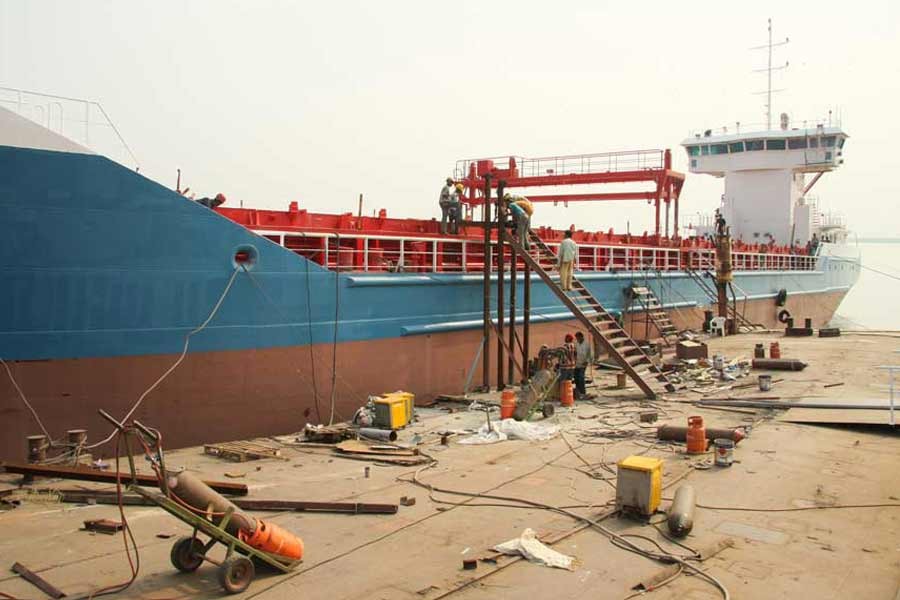 Worldwide Shipbuilding Boom and Bangladesh’s Lost Opportunity: How Financial Mismanagement, Loan Defaults, and Weak Governance Crippled a Promising Industry
An investigative analysis by Ghulam Suhrawardi Today, the world is witnessing one of the largest shipbuilding booms in history. Many countries are profiting from it. China, South Korea, and Japan have benefited from increased demand for new vessels due to fleet renewal, changing trade routes, environmental regulations, and strong financial […]



JOB SITES
CONTENTS
LINKS
Happy New Year

Découvrez les avantages de MadCasino
Dans le monde des casinos en ligne, MadCasino se distingue par ses offres attrayantes et ses services de qualité. Que vous soyez un joueur débutant ou un parieur aguerri, vous trouverez ici une variété de jeux qui sauront satisfaire toutes vos envies. Les machines à sous, les jeux de table et les options de paris en direct sont tous disponibles pour vous offrir une expérience de jeu inégalée. De plus, le casino propose régulièrement des bonus qui permettent d'augmenter vos chances de gagner, vous offrant ainsi une excellente opportunité de maximiser vos gains.
En matière de sécurité, MadCasino est un nom de confiance. Il est entièrement licencié et régulé, ce qui garantit un environnement de jeu sûr et équitable. Les joueurs peuvent se concentrer sur leur expérience de jeu sans se soucier des problèmes de sécurité. Les transactions financières sont également sécurisées grâce à des technologies de pointe.
Les jeux proposés par MadCasino sont issus des développeurs les plus réputés de l'industrie, vous assurant des graphismes époustouflants et des mécaniques de jeu innovantes. Les joueurs peuvent également profiter d'une expérience de jeu en direct qui simule l'atmosphère d'un casino terrestre, tout en restant dans le confort de leur maison.
Enfin, la plateforme de MadCasino est optimisée pour les appareils mobiles, permettant aux joueurs de parier à tout moment et de n'importe où. Que vous soyez sur votre smartphone ou votre tablette, l'accès à vos jeux préférés n'a jamais été aussi simple. Ne manquez pas l'opportunité de découvrir ce casino exceptionnel.
Les offres de Cresus Casino
Cresus Casino est un autre acteur majeur dans le domaine des jeux en ligne, offrant des promotions généreuses et une vaste sélection de jeux. Les joueurs peuvent profiter d'une expérience de jeu enrichissante grâce aux nombreux bonus disponibles, qui sont conçus pour attirer tant les nouveaux utilisateurs que les joueurs réguliers. Ces avantages permettent non seulement de prolonger votre temps de jeu, mais aussi d'augmenter vos chances de gains conséquents.
Le casino se distingue également par sa ludothèque impressionnante, comprenant une sélection variée de machines à sous, de jeux de table et de jeux en direct. Les clients peuvent choisir parmi des titres populaires et appréciés, ainsi que des nouveautés qui enrichissent constamment l'offre. L'interface utilisateur est conviviale, rendant la navigation sur la plateforme fluide et agréable.
En termes de sécurité, Cresus Casino assure à ses joueurs un environnement de jeu fiable. La plateforme utilise des protocoles de sécurité avancés pour protéger les données personnelles et financières des utilisateurs. Cela permet aux joueurs de se sentir en sécurité tout en jouant à leurs jeux préférés.
Avec un service client réactif et professionnel, Cresus Casino s'assure que toutes vos questions et préoccupations sont traitées rapidement. Que ce soit pour des questions concernant les bonus, les retraits ou les jeux, vous bénéficierez d'une assistance rapide et efficace.
Explorez Nine Casino et ses avantages
Dans l'univers des casinos en ligne, Nine Casino a su se faire une place de choix grâce à son approche innovante et à ses nombreux avantages pour les joueurs. Les utilisateurs peuvent s'attendre à une expérience de jeu enrichissante, avec des bonus attractifs qui sont régulièrement mis à jour. Ces offres sont une excellente façon de découvrir de nouveaux jeux tout en maximisant votre potentiel de gain.
La plateforme de Nine Casino est riche en options de jeux, allant des machines à sous aux jeux de table, en passant par le live casino. Chaque jeu est conçu pour offrir une expérience immersive grâce à des graphismes de haute qualité et des fonctionnalités innovantes. Les parieurs peuvent profiter de sessions de jeu captivantes, comme s'ils étaient dans un véritable casino.
La sécurité est une priorité pour Nine Casino, qui utilise des technologies de cryptage avancées pour protéger les informations de ses joueurs. Cela garantit un environnement de jeu sûr et fiable, permettant aux utilisateurs de se concentrer sur ce qu'ils aiment le plus : jouer.
Enfin, le service clientèle fourni par Nine Casino est exceptionnel, avec des agents disponibles pour répondre à toutes vos questions et résoudre vos problèmes. Vous pourrez ainsi jouer en toute tranquillité, sachant que votre satisfaction est au cœur de leurs préoccupations.
Profitez de l'expérience Lucky31
Lucky31 est un casino en ligne qui se distingue par son approche orientée vers le joueur, offrant une multitude d'options de jeux et des bonus généreux. Que vous soyez amateur de machines à sous ou passionné de jeux de table, vous trouverez une large sélection pour satisfaire toutes vos envies de jeu. Les promotions fréquentes permettent aux joueurs de prolonger leur expérience tout en augmentant leurs chances de gains.
La convivialité de la plateforme de Lucky31 est l'un de ses plus grands atouts. Les joueurs peuvent naviguer facilement entre les différents jeux, et l'interface est conçue pour être intuitive, quel que soit le niveau d'expérience de l'utilisateur. De plus, le casino est entièrement optimisé pour les appareils mobiles, ce qui permet de parier où que vous soyez.
En matière de sécurité, Lucky31 prend les préoccupations des joueurs très au sérieux. Le casino est agréé et régulé, garantissant un environnement de jeu équitable et sécurisé. Les joueurs peuvent ainsi se concentrer sur leur expérience de jeu sans se soucier des risques liés à la sécurité.
Pour ceux qui recherchent un support client efficace, Lucky31 offre un service réactif et professionnel. Que ce soit pour des questions sur les bonus, les jeux ou les paiements, vous aurez accès à une assistance de qualité, vous garantissant une expérience de jeu fluide et agréable.