search the site
Oil Prices Jump After Houthi...
On Thursday, the continued Houthi attacks on Saudi energy targets prompted a jump in oil prices, driving Brent futures...
RightShip Vetting Criteria Version 4:...
RightShip has introduced Revision 4.0 of its Dry Bulk Vessel Vetting Baseline Criteria, effective 1 October 2026, bringing a...
82% of seafarers say training...
Research by OneOcean and Thetius finds that most maritime professionals believe crew training falls short of the demands of...

IMO warns against Hormuz transits...
Around 6,000 seafarers remain stranded in the Persian Gulf as attacks on commercial vessels continue, according to IMO Secretary-General...


EXCLUSIVE | Maritime cyber attacks often start with basic weaknesses, says IASME...
posted on: Oct 27, 2026
Maritime cyber attacks do not always begin with sophisticated hacking or highly organised technical operations. According to Craig Wooldridge of UK cyber security assurance company IASME, many incidents can be traced to familiar weaknesses such as poor password practices, exposed remote access, unpatched systems and compromised supplier accounts. Wooldridge, who has an 18-year background in criminal fraud and worked with the West Midlands Police Economic Crime Team, the Regional Organised Crime Unit and the National Fraud Intelligence Bureau, said the maritime industry can sometimes picture cyber attacks as highly sophisticated operations. “People imagine a sophisticated attacker breaking into a ship’s systems, like something out of a James Bond film,” he said. “But in reality, many incidents start in far more ordinary ways.” The gap between policy and the ship One of the biggest challenges is making sure that cyber security policies work in the environment where they are needed...

Tanker catches fire off Oman as Iran claims fresh attacks on Gulf shipping...
posted on: Oct 27, 2026
A Kuwaiti-flagged tanker was struck by a projectile near the Strait of Hormuz, as Iran claimed further attacks on vessels conducting oil transfers in the Persian Gulf. The Kuwait-flagged tanker Al Dasma caught fire following a reported projectile strike approximately 11 nautical miles west of Bukha, Oman, near the Strait of Hormuz, according to UK Maritime Trade Operations (UKMTO). In Warning 179-26, UKMTO reported the incident at 01:45 UTC on October 21, 2026, stating that an unknown projectile had struck the vessel and caused a fire. The blaze was subsequently extinguished, and the tanker was reported to be at anchor, with all crew members safe and no environmental impact identified. The initial NAVAREA IX Warning 393/26 had identified Al Dasma as drifting following a security incident and onboard fire. A subsequent warning, issued at 15:00 UTC on October 21, confirmed that the vessel was anchored approximately 1.3 nautical miles west...

Morning News Brief — Monday, October 26, 2026...
posted on: Oct 26, 2026
Morning News Brief — Monday, October 26, 2026 1. World developments Lula wins a historic fourth term in Brazil—but his opponent rejects the result. President Luiz Inácio Lula da Silva defeated Senator Flávio Bolsonaro by approximately 51.8% to 48.2%, a margin exceeding four million votes. Brazil’s electoral authority confirmed the result, but Bolsonaro refused to concede. reuters.comWhy it matters: Lula’s victory checks President Trump’s effort to consolidate conservative influence in Latin America. Bolsonaro’s rejection, echoing his father’s conduct after the 2022 election, raises concern about post-election stability. The U.S.–Ukraine dispute increasingly centers on Russian energy. Reuters reports that President Trump objected strongly to Ukraine’s continued attacks on Russian energy facilities as high oil prices became a domestic political liability. Kyiv says the strikes are legitimate responses to Russia’s sustained attacks on Ukrainian infrastructure. reuters.comWhy it matters: Washington’s desire to suppress energy prices is beginning to conflict directly with Ukraine’s...

Why mentoring matters in shipping
posted on: Oct 26, 2026
Mentoring is about supporting someone as they find their own path, not giving them all the answers, explains Maria Kostala, Claims Executive at Shipowners Claims Bureau (Hellas) / the American P&I Club. There are many ways to be on someone’s side when they want to explore and find their way. Sometimes it is by listening to them, to their questions, to their musings, their thoughts and dreams If they ask, you can help them by giving them a hint to find the direction(s) to their path(s), their answers. Sometimes it is by opening a door – or many. And sometimes, perhaps most importantly, it is simply by saying: “I have been where you are, I can relate to and understand you.” And then, you can take them with you by telling them your story, showing your compass; what you have experienced, what you have learnt, what you value and...

Fatigue, fear and the flaws in shipping’s safety data...
posted on: Oct 26, 2026
Seafarer fatigue, mental health and reluctance to report mistakes should become key considerations for marine insurers, banks and investors, according to new research warning that shipping is overlooking significant commercial risks hidden in its own data. The Sustainable Shipping Initiative’s (SSI) From Welfare to Risk report, published yesterday, examines 68 sources spanning accident investigations, insurance claims, academic studies and seafarer surveys. It finds consistent links between crew wellbeing and safety outcomes, particularly involving fatigue, mental health and psychological safety. Fatigue emerges as the most extensively documented risk factor. The report warns that understaffing and excessive workloads encourage the falsification of rest-hour records, concealing dangerous working conditions from compliance systems. Between a quarter and a third of seafarers do not feel safe raising concerns or reporting mistakes, potentially undermining the accuracy of incident and near-miss reporting. The findings reinforce earlier research covered by Splash. A World Maritime University study published...

Crew Welfare Week 2026: Collaboration, not competition, can advance women in maritime...
posted on: Oct 26, 2026
The maritime industry must move beyond visibility campaigns and tick-box initiatives by embedding gender inclusion into vessel operations, workplace culture and career development, experts stressed during a panel discussion at the 2026 Crew Welfare Week. Speakers called for repeated gender-sensitisation and bystander training across the entire workforce, reliable reporting mechanisms and practical changes to equipment, facilities and employment policies. They also highlighted the need to involve men in the process, improve maternity and return-to-work arrangements and give women greater access to decision-making positions. Moderated by Capt. VS Parani, Vice President – Marine, Tufton Asset Management, the discussion featured Sanjam Gupta, Founder, Maritime SheEO; Katie Lea, Global Director, Marine Learning & Development, V.Group; Jessica Brannan, CEO, Safer Waves; and Raj Kehal, CEO, Women in Ports. 10 industry actions identified by the panel to advance women in maritime #1 Prepare vessels before introducing mixed-gender crews: Assess facilities, equipment, policies and onboard...

Securing Trust: The Transition to Digital Seafarer Credentials...
posted on: Oct 26, 2026
Wednesday 28th October 9am GMT Exploring how maritime can build a trusted, interoperable digital credential ecosystem for seafarers. Seafarer identity and credentials sit at the centre of a chain that runs from flag states, training providers and medical practitioners, through crewing and manning teams, to masters, port inspectors and regulators. Today, that chain still runs on manual entry, PDFs and email. Missing, expired or fraudulent certificates aren’t just an administrative headache. They create delay, safety risk and compliance exposure for everyone downstream who relies on that credential being valid. We have partnered with Maritime Passport on a new research report exploring how seafarer credentials are managed today, where the current system creates delay and risk, and what a better digital model, one that works for issuers, verifiers and seafarers alike, could look like. This webinar launches our new report, Securing Trust: The Transition to Digital Seafarer Credentials. Exploring how maritime...

NATO to boost Black Sea surveillance following deadly attacks ...
posted on: Oct 26, 2026
NATO has announced plans to deploy additional maritime patrol aircraft, radar systems and drones to the Black Sea following a series of deadly attacks on commercial vessels near Romania and Bulgaria. The announcement on October 20 followed discussions by the North Atlantic Council, NATO’s main decision-making body, at the alliance’s headquarters in Brussels, amid growing concerns over maritime security in the region. According to NATO military spokesperson Colonel Martin L. O’Donnell, member states have also deployed or will deploy intelligence personnel and specialist teams to conduct forensic examinations of explosives used in the attacks, Reuters reported. The additional capabilities are intended to strengthen surveillance, reconnaissance and situational awareness across the Black Sea. The move follows a series of drone strikes against merchant shipping. Last week, several seafarers were reported missing after two chemical tankers were struck near Romania’s Black Sea coast and caught fire. At least five other cargo...
Morning News Brief — Sunday, October 25, 2026...
posted on: Oct 25, 2026
Morning News Brief — Sunday, October 25, 2026 1. World developments Saudi Arabia intercepted another wave of Houthi missiles and drones. Saudi authorities reported destroying ballistic and cruise missiles and drones aimed at Riyadh and southern cities. King Khalid International Airport resumed limited operations after earlier attacks, although the Houthis continue to identify it as a target. reuters.comWhy it matters: Repeated attacks on Saudi aviation and energy infrastructure threaten to widen the Yemen conflict and keep oil, air travel and Red Sea shipping under pressure. Iran says it shot down a U.S. drone near Bandar Abbas. Iran’s army, cited by the semi-official Tasnim agency, said air defenses downed a U.S. LUCAS drone over the strategic port city. Washington had not immediately confirmed the loss. reuters.comWhy it matters: Bandar Abbas sits near the Strait of Hormuz and houses important Iranian naval facilities; a verified shootdown could bring U.S. and Iranian...

A VLCC under cyberattack is highly visible. The bigger risk is the one you can’t see. ...
posted on: Oct 25, 2026
In August, the US Coast Guard and FBI agents boarded a tanker headed for Galveston, Texas. This unusual operation was reportedly in response to a cyberattack against the vessel, possibly perpetrated by a foreign actor. While the facts remain murky at best, one thing we do know is that this incident caught the public’s attention and made national headlines. For most Americans, the maritime industry is an unfamiliar background process. Like electricity, it is taken for granted and only makes the news when something goes wrong. Few have given it thought since the Ever Given blocked the Suez Canal back in 2021. This piece is about perspective, visibility and narrative. The public sees a threat in the form of a very large ship that may be out of control. Those of us in the maritime industry see an unusual situation, one that is certainly a cause for concern, but...

BIMCO: Container Ship Orders are Driving China’s Shipyard Surge...
posted on: Oct 25, 2026
More than any other sector, ocean freight has driven the surge in shipyard activity over the past year, according to BIMCO, and it has boosted the fortunes of Chinese shipbuilding in particular. “Container ships dominate both the order book and its growth over the past 12 months. They account for 30% of CGT on order and 68% of the increase during the past year,” says Niels Rasmussen, the chief shipping analyst at BIMCO. The vast majority of those orders are going to Chinese yards. Fully 81 percent of the container ship orderbook is held by Chinese shipbuilders, BIMCO assesses. All of the other major sectors are dominated by China too – tankers, gas tankers, bulkers, and ro/ros – with Chinese yards holding 72 percent or more of the orderbook in each category. China holds a bigger share of a bigger pie. The total global orderbook’s size is up 13 percent...

After 354 Accidents, Shipping Industry Urged to Rethink Enclosed Space Safety...
posted on: Oct 25, 2026
A new survey of more than 900 seafarers has exposed a persistent gap between safety procedures and the realities of working aboard ships, prompting renewed calls for action to prevent deaths in enclosed spaces. Ship management association InterManager says it has recorded 354 enclosed space accidents between 1996 and 2026, involving tankers, bulk carriers, containerships, passenger vessels and other ship types. Despite decades of safety campaigns, training requirements and regulatory attention, the association says many of the same problems continue to put seafarers at risk. The latest survey found that crews often struggle with overly complicated procedures, insufficient time and manpower, commercial pressure and inadequate practical training. Respondents also raised concerns that inspections sometimes place more emphasis on paperwork than whether safety measures actually work onboard. “Enclosed spaces have been killing seafarers for decades,” said Captain Kuba Szymanski, InterManager’s secretary general. “The industry does not need more paperwork for...
Featured Post
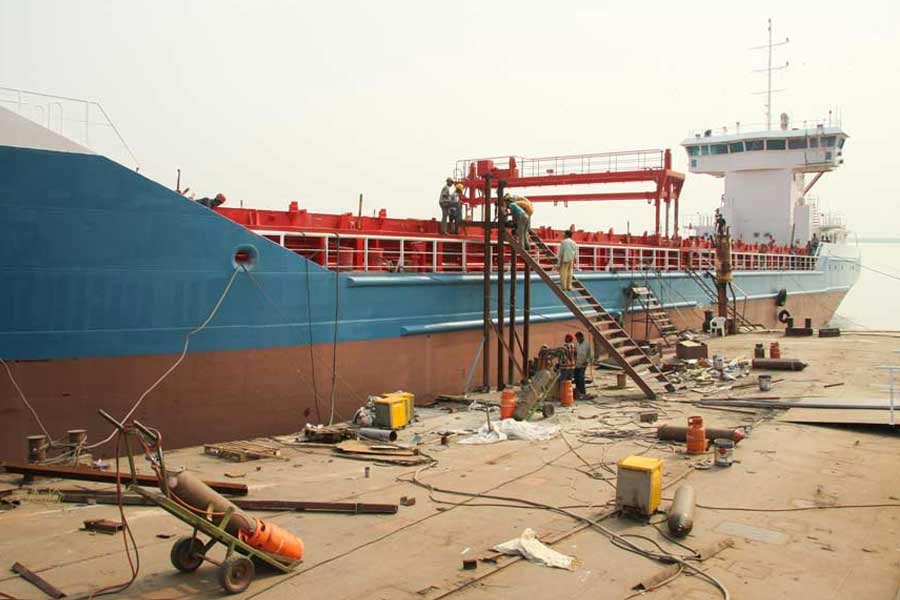 Worldwide Shipbuilding Boom and Bangladesh’s Lost Opportunity: How Financial Mismanagement, Loan Defaults, and Weak Governance Crippled a Promising Industry
 An investigative analysis by Ghulam Suhrawardi Today, the world is witnessing one of the largest shipbuilding booms in history. Many countries are profiting from it. China, South Korea, and Japan have benefited from increased demand for new vessels due to fleet renewal, changing trade routes, environmental regulations, and strong financial […]
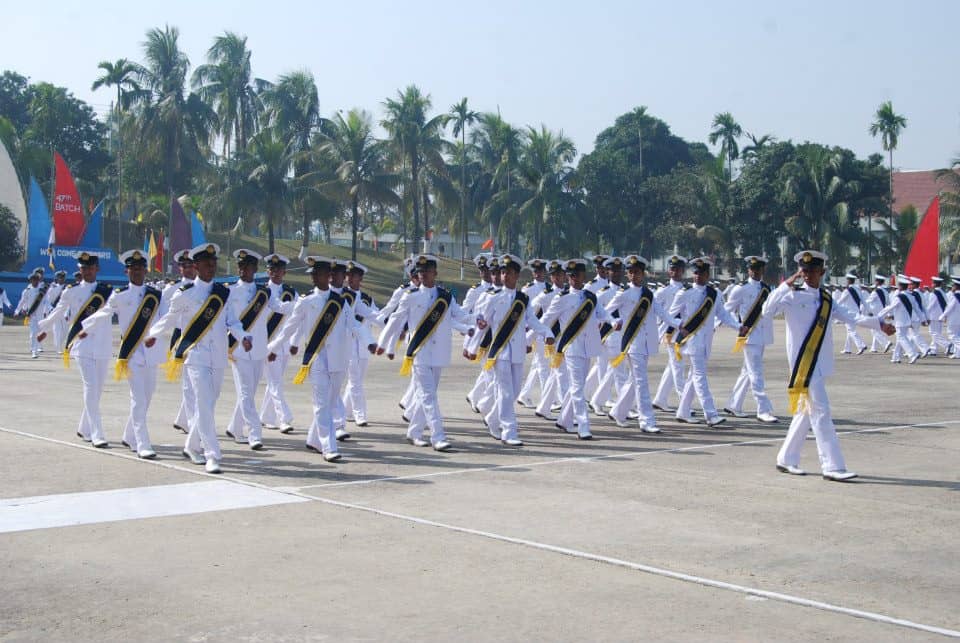 বিশ্ব সমুদ্র দিবস: মেরিন একাডেমিকে আবার সামুদ্রিক শিক্ষার প্রাণকেন্দ্রে ফেরাতে হবে বাংলাদেশকে
 গোলাম সোহরাওয়ার্দি বিশ্ব সমুদ্র দিবস ২০২৬ এবং সমন্বিত জাতীয় প্রশিক্ষণ কৌশলের প্রয়োজনীয়তা বিশ্ব সমুদ্র দিবসে আন্তর্জাতিক সামুদ্রিক সংস্থার (আইএমও) মহাসচিব আর্সেনিও ডমিঙ্গেজ খুব সহজ কিন্তু গভীর একটি বার্তা দিয়েছেন। আন্তর্জাতিক নিয়মকানুন সমুদ্র পরিবহন ব্যবস্থার উন্নতি তখনই করতে পারে, যখন দেশগুলো তা ঠিকমতো মেনে চলে। তিনি বলেন, “নাবিকদের কথাই সবার আগে […]



JOB SITES
CONTENTS
LINKS
Happy New Year

Découvrez les avantages de MadCasino
Dans le monde des casinos en ligne, MadCasino se distingue par ses offres attrayantes et ses services de qualité. Que vous soyez un joueur débutant ou un parieur aguerri, vous trouverez ici une variété de jeux qui sauront satisfaire toutes vos envies. Les machines à sous, les jeux de table et les options de paris en direct sont tous disponibles pour vous offrir une expérience de jeu inégalée. De plus, le casino propose régulièrement des bonus qui permettent d'augmenter vos chances de gagner, vous offrant ainsi une excellente opportunité de maximiser vos gains.
En matière de sécurité, MadCasino est un nom de confiance. Il est entièrement licencié et régulé, ce qui garantit un environnement de jeu sûr et équitable. Les joueurs peuvent se concentrer sur leur expérience de jeu sans se soucier des problèmes de sécurité. Les transactions financières sont également sécurisées grâce à des technologies de pointe.
Les jeux proposés par MadCasino sont issus des développeurs les plus réputés de l'industrie, vous assurant des graphismes époustouflants et des mécaniques de jeu innovantes. Les joueurs peuvent également profiter d'une expérience de jeu en direct qui simule l'atmosphère d'un casino terrestre, tout en restant dans le confort de leur maison.
Enfin, la plateforme de MadCasino est optimisée pour les appareils mobiles, permettant aux joueurs de parier à tout moment et de n'importe où. Que vous soyez sur votre smartphone ou votre tablette, l'accès à vos jeux préférés n'a jamais été aussi simple. Ne manquez pas l'opportunité de découvrir ce casino exceptionnel.
Les offres de Cresus Casino
Cresus Casino est un autre acteur majeur dans le domaine des jeux en ligne, offrant des promotions généreuses et une vaste sélection de jeux. Les joueurs peuvent profiter d'une expérience de jeu enrichissante grâce aux nombreux bonus disponibles, qui sont conçus pour attirer tant les nouveaux utilisateurs que les joueurs réguliers. Ces avantages permettent non seulement de prolonger votre temps de jeu, mais aussi d'augmenter vos chances de gains conséquents.
Le casino se distingue également par sa ludothèque impressionnante, comprenant une sélection variée de machines à sous, de jeux de table et de jeux en direct. Les clients peuvent choisir parmi des titres populaires et appréciés, ainsi que des nouveautés qui enrichissent constamment l'offre. L'interface utilisateur est conviviale, rendant la navigation sur la plateforme fluide et agréable.
En termes de sécurité, Cresus Casino assure à ses joueurs un environnement de jeu fiable. La plateforme utilise des protocoles de sécurité avancés pour protéger les données personnelles et financières des utilisateurs. Cela permet aux joueurs de se sentir en sécurité tout en jouant à leurs jeux préférés.
Avec un service client réactif et professionnel, Cresus Casino s'assure que toutes vos questions et préoccupations sont traitées rapidement. Que ce soit pour des questions concernant les bonus, les retraits ou les jeux, vous bénéficierez d'une assistance rapide et efficace.
Explorez Nine Casino et ses avantages
Dans l'univers des casinos en ligne, Nine Casino a su se faire une place de choix grâce à son approche innovante et à ses nombreux avantages pour les joueurs. Les utilisateurs peuvent s'attendre à une expérience de jeu enrichissante, avec des bonus attractifs qui sont régulièrement mis à jour. Ces offres sont une excellente façon de découvrir de nouveaux jeux tout en maximisant votre potentiel de gain.
La plateforme de Nine Casino est riche en options de jeux, allant des machines à sous aux jeux de table, en passant par le live casino. Chaque jeu est conçu pour offrir une expérience immersive grâce à des graphismes de haute qualité et des fonctionnalités innovantes. Les parieurs peuvent profiter de sessions de jeu captivantes, comme s'ils étaient dans un véritable casino.
La sécurité est une priorité pour Nine Casino, qui utilise des technologies de cryptage avancées pour protéger les informations de ses joueurs. Cela garantit un environnement de jeu sûr et fiable, permettant aux utilisateurs de se concentrer sur ce qu'ils aiment le plus : jouer.
Enfin, le service clientèle fourni par Nine Casino est exceptionnel, avec des agents disponibles pour répondre à toutes vos questions et résoudre vos problèmes. Vous pourrez ainsi jouer en toute tranquillité, sachant que votre satisfaction est au cœur de leurs préoccupations.
Profitez de l'expérience Lucky31
Lucky31 est un casino en ligne qui se distingue par son approche orientée vers le joueur, offrant une multitude d'options de jeux et des bonus généreux. Que vous soyez amateur de machines à sous ou passionné de jeux de table, vous trouverez une large sélection pour satisfaire toutes vos envies de jeu. Les promotions fréquentes permettent aux joueurs de prolonger leur expérience tout en augmentant leurs chances de gains.
La convivialité de la plateforme de Lucky31 est l'un de ses plus grands atouts. Les joueurs peuvent naviguer facilement entre les différents jeux, et l'interface est conçue pour être intuitive, quel que soit le niveau d'expérience de l'utilisateur. De plus, le casino est entièrement optimisé pour les appareils mobiles, ce qui permet de parier où que vous soyez.
En matière de sécurité, Lucky31 prend les préoccupations des joueurs très au sérieux. Le casino est agréé et régulé, garantissant un environnement de jeu équitable et sécurisé. Les joueurs peuvent ainsi se concentrer sur leur expérience de jeu sans se soucier des risques liés à la sécurité.
Pour ceux qui recherchent un support client efficace, Lucky31 offre un service réactif et professionnel. Que ce soit pour des questions sur les bonus, les jeux ou les paiements, vous aurez accès à une assistance de qualité, vous garantissant une expérience de jeu fluide et agréable.