search the site


Standardizing Maritime Education Across Nationalities
By Captain Pradeep Chawla
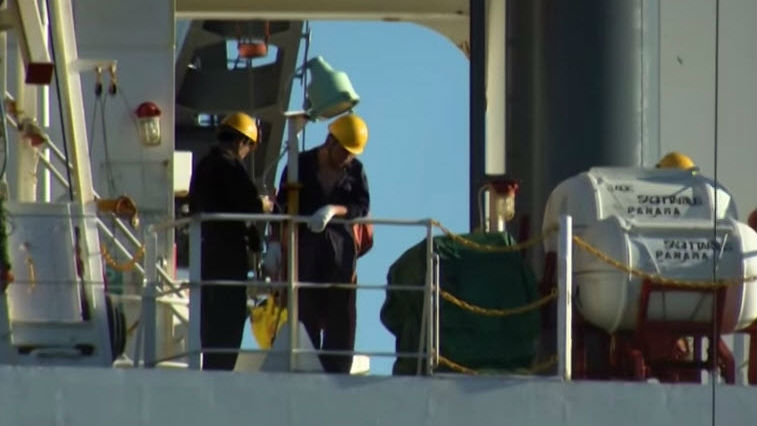
The goal of STCW has been to establish a common, international training standard for seafarers from various nations. What has been attained so far and what more needs to be done to accomplish the goals of STCW fully?
Shipping is perhaps the first truly globalized industry in the world. The existence of various international flags under which ships can be registered has allowed seafarers originating from various countries to sail on ships that are not necessarily owned by local companies. Recognizing the international nature of the business, IMO has striven hard since 1978 to pursue safety of life at sea by having an internationally agreed minimum standard for training of seafarers.
To keep abreast with the ever-evolving nature of the profession, these standards have been proactively evaluated and subsequently updated by revisions in 1995 and thereafter in 2010.
The process to strive for common standards was further enhanced by the White List process with IMO appointing competent persons to review the training standards in different countries.
Has the process been successful in ensuring common standards across the world?
It depends on who you ask.
Each country is free to make bilateral agreements to recognize the training standards in another country. The E.U. states have gotten together and the European Maritime Safety Agency (EMSA) performs its own inspections in 80 countries to ensure that seafarers operating in E.U. waters are appropriately educated and trained.
At the sharp end, each shipowner makes their own decision about which nationality of seafarers they wish to employ. Each company has its own perception about the competency and training standards of different nationalities.
While these generalized perceptions may be right or wrong, there is no doubt that the industry does have a view that the goals of STCW have not yet been fulfilled. There is widespread consensus that the training standards in different countries are not equal.
Many companies have moved away from these generalizations based on nationality and prefer to go deeper and focus on recruitment from the better colleges within each country.
Such companies also creatively deploy well-thought-out examination and interview techniques to find the right crew to man their ships.
It is important to recognize the difference between education and training and competency. Education and training can only ensure that the student has passed a knowledge- or skill-based examination. Competency is usually defined as the ability to do something successfully or efficiently. It is generally accepted that both knowledge and skill are required to be competent. In addition to having the required knowledge and skill, the individual also needs to have the right attitude towards the job.
The experiences on board a ship play a large part in shaping the competency of an individual, by way of on-the-job training and the safety culture of the ship and company. The effect of attitude on human performance is a separate subject. Training institutions do not have much control of it.
Hence, let us discuss only education and training.
What are the reasons for the varying standards of education and training in different countries? The reasons are complex. However, they are known to most people involved in the maritime recruitment and training industry.
They include a shortage of funds; lack of availability of first-class teachers due to the relatively lower wages offered (which have never been in sync with the rise in salaries out at sea); lack of financial support by industry or governments; lack of sufficient knowledge by the teachers; oversupply of colleges competing with each other, and many other similar challenges.
These issues are discussed in seminars across the world. However, the solutions are rarely discussed entirely. Here are some of my personal opinions and suggestions:
1. Measurement
The ISM code, Element 6 and STCW Code Reg 1/14 clearly put the responsibility on the company for manning the ships with properly qualified crew. Irrespective of the nationality of the crew, regulators expect the same safety standards on board all ships.
The first step towards achieving a common safety standard would be to measure the knowledge of the crew (which is one the essential ingredients to being competent) against a common standard. While IMO may never be able to get various nations to agree on a common international examination, the industry already has such tools available and is utilizing them. Analyzing the results of such measurements in an unbiased way will lead to identifying gaps and subsequently discovering solutions towards improving the education and training in different countries.
2. Standardization of the Curriculum
The STCW code spells out the minimum standard of competencies for each rank in its tables. The IMO publishes model courses in an attempt to help implement the convention better and to achieve standardization of the content that is being taught across countries.
However, the IMO model courses have lately come under criticism. Certain advanced colleges and countries claim that the IMO model courses restrict innovation or have complaints about the content of the courses.
On the other hand, most crew supplying nations and emerging new colleges consider the IMO model courses as a big help and try to follow the contents diligently.
The training industry in advanced countries and in emerging countries needs to come together to collectively agree on the contents of these IMO model courses, as it is in the interest of the entire industry that there is standardization of the curriculum across all maritime countries.
GlobalMET, an association of over 100 establishments across 30 countries has a project to assist in this task.
3. Standardization of Assessment Techniques
Even with the same curriculum being taught, one would get very different outcomes if the assessment methodologies are different.
A lot of work is needed in defining appropriate methodologies for carrying out the assessment of students to ensure similar outcomes after teaching the same curriculum in different countries. This is an area that has not received sufficient attention in the STCW convention as yet. The training industry needs to take the lead in developing these techniques. The assessment system should be robust and designed to measure the application of knowledge in real-life scenarios.
4. Standardizing the Qualification of the Assessors
As we delve deeper, it should be appreciated that standardizing the methodologies of assessment is critical to achieve the correct outcomes of education and training. Similarly, the qualification of assessors needs to be standardized. There should be efforts and programs for building up the required knowledge and skills of the assessors. There may be administration-approved courses (such as training for trainers and assessors) available, but these courses are of limited duration and may not ensure similar outcomes in different countries. The training industry needs to take the lead in this aspect as well.
5. Raising the Skill Levels of the Teachers
It is well-recognized in all industries that, at the end of the day, the quality of the teacher is more important than the gadgets or simulators or teaching aids available in a college.
The reasons for the differing levels of teachers in different countries are well-known. The various stakeholders in the industry, including shipowners, trade associations and government agencies, must recognize the need for skill-enhancement programs for teachers, especially in the colleges in the crew-supplying nations. Investment must be made in such programs. Knowledge transfer from the good colleges to the emerging colleges is urgently needed.
6. On-the-Job Training
An essential and critical part of the education and training of a seafarer is the training received as part of the mandatory sea time requirements for onboard training.
The industry has been reducing the onboard training requirements over the last three decades. This, combined with the faster turnaround of ships and reduced manning, has led to the situation that learning from mentors on board has gotten severely restricted. No amount of classroom and simulator-based training can be a substitute for what is learned on board. The shipboard-structured training program developed for granting remission of sea time is often not given the importance it deserves because the senior officers on board are themselves very busy with other shipboard work.
My personal opinion is that the sea time requirement should be increased as follows:
18 months as a cadet; 24 months sea time at operational level and another 30 months at management level (C/O, 2/E) before gaining command. A total of six years to be a Captain or Chief Engineer is not too long considering that the responsibilities of a Master and Chief Engineer are no less than that of a CEO of a company.
7. Quality Assurance
While STCW Regulation I/8 requires all countries to ensure that a quality assurance system is set up for maritime training institutes, the reality is that in some countries the process is very weak. In my opinion, an independent international organization should be entrusted to carry out the quality assurance audits of the training institutions.
8. Industry and Training Institutions Cooperation
Shipowners often complain that the crew is not trained well and is not fully competent despite having certificates. One of the reasons is the lack of interaction between training institutions and ship operators.
Teachers in general are people who like to learn continuously, but the industry does not give them opportunities to upgrade their skills. Teachers need to occasionally sail on ships to refresh their knowledge about the application of latest regulations and the latest equipment and machinery fitted on board. The teachers also need feedback on the accidents and near misses that are happening on board.
The industry associations need to work more closely together to achieve standardization in training.
9. Standardized Entry-Level Test
The school system in different countries differs substantially. This has an effect on how much can be achieved in the maritime college. Mathematics, physics and chemistry or even verbal and written skills that were not properly taught in the 12 years of school attendance cannot be taught in the maritime college. This is a very difficult issue to address on an international scale, but the industry has been working on it and some solutions are available in the market.
In conclusion, the industry stakeholders, especially the end-users, shipowners, managers and training institutions need to work more closely together. The industry trade associations need to support training wholeheartedly. Waiting for governments to take the initiative will not work in most countries.
Captain Pradeep Chawla is Managing Director, QHSE & Training at Anglo-Eastern Ship Management.
Source: MaritimeExecutive
Featured Post
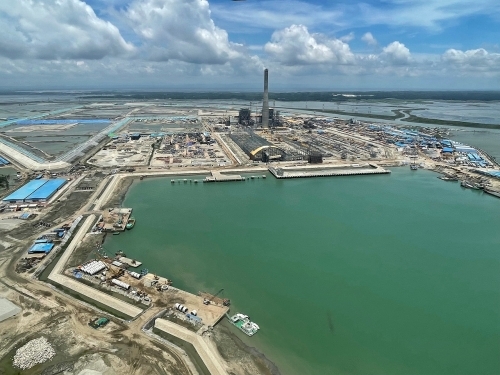 বড় জাহাজ মেরামতে মাতারবাড়ীতে ১ বিলিয়ন ডলারের প্রকল্প
 মাতারবাড়ীতে প্রায় ১ বিলিয়ন মার্কিন ডলার ব্যয়ে পরিবেশবান্ধব ডকইয়ার্ড ও জাহাজ নির্মাণ কেন্দ্র স্থাপনের উদ্যোগে নীতিগত অনুমোদন দিয়েছে নৌপরিবহন মন্ত্রণালয়। এখন প্রকল্পটির কারিগরি ও আর্থিক মূল্যায়নের জন্য প্রস্তাবটি সরকারি-বেসরকারি অংশীদারত্ব (পিপিপি) কর্তৃপক্ষের কাছে পাঠানো হয়েছে। সম্পূর্ণ বেসরকারি অর্থায়নে সরকারি জমির মালিকানা অক্ষুণ্ন রেখে প্রকল্পটি বাস্তবায়নের পরিকল্পনা রয়েছে। বন্দর কর্তৃপক্ষ জানায়, […]
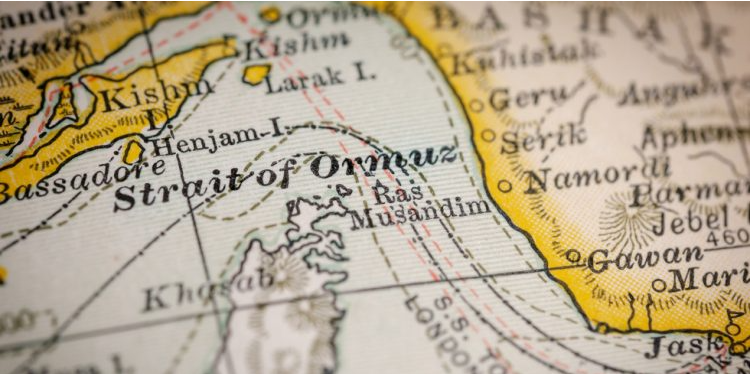 Industry on alert over scam messages offering ships “safe passage” on Hormuz
 Credit: Shutterstock Fraudulent messages offering safe passage through the Strait of Hormuz in exchange for cryptocurrency have been circulated to shipping companies with vessels stranded west of the waterway, according to MARISKS. In an alert issued on 20 April, MARISKS cautioned that unknown actors posing as Iranian authorities had contacted […]


JOB SITES
CONTENTS
LINKS
Happy New Year

Découvrez les avantages de MadCasino
Dans le monde des casinos en ligne, MadCasino se distingue par ses offres attrayantes et ses services de qualité. Que vous soyez un joueur débutant ou un parieur aguerri, vous trouverez ici une variété de jeux qui sauront satisfaire toutes vos envies. Les machines à sous, les jeux de table et les options de paris en direct sont tous disponibles pour vous offrir une expérience de jeu inégalée. De plus, le casino propose régulièrement des bonus qui permettent d'augmenter vos chances de gagner, vous offrant ainsi une excellente opportunité de maximiser vos gains.
En matière de sécurité, MadCasino est un nom de confiance. Il est entièrement licencié et régulé, ce qui garantit un environnement de jeu sûr et équitable. Les joueurs peuvent se concentrer sur leur expérience de jeu sans se soucier des problèmes de sécurité. Les transactions financières sont également sécurisées grâce à des technologies de pointe.
Les jeux proposés par MadCasino sont issus des développeurs les plus réputés de l'industrie, vous assurant des graphismes époustouflants et des mécaniques de jeu innovantes. Les joueurs peuvent également profiter d'une expérience de jeu en direct qui simule l'atmosphère d'un casino terrestre, tout en restant dans le confort de leur maison.
Enfin, la plateforme de MadCasino est optimisée pour les appareils mobiles, permettant aux joueurs de parier à tout moment et de n'importe où. Que vous soyez sur votre smartphone ou votre tablette, l'accès à vos jeux préférés n'a jamais été aussi simple. Ne manquez pas l'opportunité de découvrir ce casino exceptionnel.
Les offres de Cresus Casino
Cresus Casino est un autre acteur majeur dans le domaine des jeux en ligne, offrant des promotions généreuses et une vaste sélection de jeux. Les joueurs peuvent profiter d'une expérience de jeu enrichissante grâce aux nombreux bonus disponibles, qui sont conçus pour attirer tant les nouveaux utilisateurs que les joueurs réguliers. Ces avantages permettent non seulement de prolonger votre temps de jeu, mais aussi d'augmenter vos chances de gains conséquents.
Le casino se distingue également par sa ludothèque impressionnante, comprenant une sélection variée de machines à sous, de jeux de table et de jeux en direct. Les clients peuvent choisir parmi des titres populaires et appréciés, ainsi que des nouveautés qui enrichissent constamment l'offre. L'interface utilisateur est conviviale, rendant la navigation sur la plateforme fluide et agréable.
En termes de sécurité, Cresus Casino assure à ses joueurs un environnement de jeu fiable. La plateforme utilise des protocoles de sécurité avancés pour protéger les données personnelles et financières des utilisateurs. Cela permet aux joueurs de se sentir en sécurité tout en jouant à leurs jeux préférés.
Avec un service client réactif et professionnel, Cresus Casino s'assure que toutes vos questions et préoccupations sont traitées rapidement. Que ce soit pour des questions concernant les bonus, les retraits ou les jeux, vous bénéficierez d'une assistance rapide et efficace.
Explorez Nine Casino et ses avantages
Dans l'univers des casinos en ligne, Nine Casino a su se faire une place de choix grâce à son approche innovante et à ses nombreux avantages pour les joueurs. Les utilisateurs peuvent s'attendre à une expérience de jeu enrichissante, avec des bonus attractifs qui sont régulièrement mis à jour. Ces offres sont une excellente façon de découvrir de nouveaux jeux tout en maximisant votre potentiel de gain.
La plateforme de Nine Casino est riche en options de jeux, allant des machines à sous aux jeux de table, en passant par le live casino. Chaque jeu est conçu pour offrir une expérience immersive grâce à des graphismes de haute qualité et des fonctionnalités innovantes. Les parieurs peuvent profiter de sessions de jeu captivantes, comme s'ils étaient dans un véritable casino.
La sécurité est une priorité pour Nine Casino, qui utilise des technologies de cryptage avancées pour protéger les informations de ses joueurs. Cela garantit un environnement de jeu sûr et fiable, permettant aux utilisateurs de se concentrer sur ce qu'ils aiment le plus : jouer.
Enfin, le service clientèle fourni par Nine Casino est exceptionnel, avec des agents disponibles pour répondre à toutes vos questions et résoudre vos problèmes. Vous pourrez ainsi jouer en toute tranquillité, sachant que votre satisfaction est au cœur de leurs préoccupations.
Profitez de l'expérience Lucky31
Lucky31 est un casino en ligne qui se distingue par son approche orientée vers le joueur, offrant une multitude d'options de jeux et des bonus généreux. Que vous soyez amateur de machines à sous ou passionné de jeux de table, vous trouverez une large sélection pour satisfaire toutes vos envies de jeu. Les promotions fréquentes permettent aux joueurs de prolonger leur expérience tout en augmentant leurs chances de gains.
La convivialité de la plateforme de Lucky31 est l'un de ses plus grands atouts. Les joueurs peuvent naviguer facilement entre les différents jeux, et l'interface est conçue pour être intuitive, quel que soit le niveau d'expérience de l'utilisateur. De plus, le casino est entièrement optimisé pour les appareils mobiles, ce qui permet de parier où que vous soyez.
En matière de sécurité, Lucky31 prend les préoccupations des joueurs très au sérieux. Le casino est agréé et régulé, garantissant un environnement de jeu équitable et sécurisé. Les joueurs peuvent ainsi se concentrer sur leur expérience de jeu sans se soucier des risques liés à la sécurité.
Pour ceux qui recherchent un support client efficace, Lucky31 offre un service réactif et professionnel. Que ce soit pour des questions sur les bonus, les jeux ou les paiements, vous aurez accès à une assistance de qualité, vous garantissant une expérience de jeu fluide et agréable.
Very interesting article.