search the site


Crew wellbeing has become a strategic leadership priority for shipowners
The shipping industry has spent decades improving vessels, technology and regulatory compliance to enhance safety at sea. Yet one of the strongest messages emerging from today’s industry leaders is that sustainable improvements in safety and operational performance increasingly depend on people rather than hardware.
That was the central theme of the latest Future Thinking podcast by NorthStandard, where Captain Yves Vandenborn, Head of Loss Prevention for Asia-Pacific, was joined by Jeremy Sutton, CEO of Swire Shipping, and Nick Potter, CEO of AET, to explore how shipowners can better support seafarers in a rapidly changing operating environment.
Rather than treating wellbeing as a standalone welfare initiative, the discussion positioned it as a fundamental leadership responsibility with direct implications for safety, retention and long-term business resilience.
Jeremy Sutton reflected on Swire Shipping’s experience in developing seafarer engagement and retention programmes, while Nick Potter drew upon both his experience as a former seafarer and his leadership of AET to discuss how organisational culture influences operational performance.
Although the discussion covered subjects ranging from cadet recruitment and psychological safety to diversity and shipboard accommodation, each topic ultimately reinforced a common conclusion: effective leadership at sea increasingly depends on understanding the human dimension of shipping rather than viewing crews simply as operational resources.
Safety begins with culture rather than compliance
Perhaps the strongest theme throughout the conversation was the growing recognition that wellbeing and safety cannot be treated as separate objectives.
Nick Potter argued that organisational culture sits at the centre of safe ship operations, describing safety not primarily as a matter of procedures but of behaviours and values. As he observed:
It’s really about doing the right thing when no one else is around.
Rather than focusing exclusively on compliance, he suggested that crews perform at their best when they feel respected, listened to and genuinely valued by their organisation. This creates an environment where individuals are more willing to raise concerns, challenge unsafe situations and support one another during routine operations.
Jeremy Sutton expanded this perspective by introducing the concept of psychological safety. While shipping has traditionally emphasised technical competence and procedural discipline, he argued that trust between crew members is equally important.
Hierarchy, nationality, seniority and gender can all create barriers that discourage individuals from speaking up, particularly when safety concerns arise.
For Sutton, a truly safe vessel is one where every crew member feels able to intervene before an incident develops, regardless of rank or background.
As he explained, trust allows people to say “stop” before something goes wrong, making psychological safety an operational requirement rather than simply a cultural aspiration.
Taken together, these perspectives reflect an important evolution in maritime leadership. Safety is increasingly understood not only as the outcome of effective management systems but also as the product of healthy organisational cultures that encourage openness, communication and mutual respect.
Developing future officers starts long before certification
The discussion also addressed one of shipping’s most pressing long-term challenges: attracting and retaining the next generation of officers.
While much industry attention focuses on shortages of qualified personnel, both speakers argued that retention begins well before a cadet receives a certificate of competency.
Jeremy Sutton explained that Swire Shipping places considerable emphasis on structured career development from the moment cadets join their vessels.
Early engagement, regular training, continuous feedback and clearly defined career pathways help young seafarers understand both what is expected of them and how they can progress within the organisation.
Sutton emphasised the importance of demonstrating a visible route from cadet to officer. Continuous monitoring of individual progress, together with encouragement to develop additional competencies, reinforces both motivation and long-term commitment.
An equally important consideration, he noted, is maintaining diversity within cadet recruitment. Building cadet cohorts from different nationalities and backgrounds reduces dependence on individual labour markets while contributing to more resilient and inclusive organisations over time.
Nick Potter approached the issue from a broader strategic perspective. He argued that retention actually begins with attraction. Before organisations can retain talented seafarers, they must first present a compelling value proposition that reflects the expectations of newer generations entering the workforce.
He suggested that the industry is still adapting to changing generational attitudes towards work, career development and organisational culture. As shipping invests eight to ten years in developing future masters and chief engineers, companies must ensure that their values, leadership style and employee experience continue to justify that long-term commitment.
For Potter, successful retention is ultimately built upon the same foundations discussed earlier in relation to safety: people remain with organisations where they feel valued, supported and connected to the company’s purpose.
Creating an onboard environment where people can thrive
While digital connectivity has transformed life at sea, the discussion highlighted that technology alone cannot solve the human challenges of working onboard.
Today’s cadets arrive on ships with very different expectations from previous generations. Many are experiencing prolonged separation from family, multicultural working environments and operational pressures for the first time. Successfully managing this transition requires more than technical familiarisation—it demands structured support from both the company and senior officers.
Jeremy Sutton noted that advances in connectivity and digital technologies have made the transition to life at sea less daunting than in previous decades. Modern training methods, simulations and improved communications allow cadets to gain a much clearer understanding of shipboard life before joining their first vessel.
At the same time, improved internet access has helped reduce some of the isolation traditionally associated with long voyages.
Nick Potter argued that organisations should build upon these technological improvements by creating strong mentoring and psychological support systems.
Beyond formal counselling services, he emphasised the importance of fostering an environment where young seafarers feel comfortable asking questions, expressing concerns and learning from more experienced colleagues.
This links directly to the earlier discussion on psychological safety. A supportive onboard culture not only improves wellbeing but also accelerates learning, strengthens confidence and contributes to safer operations.
The conversation also explored an emerging challenge created by improved connectivity. While internet access has undoubtedly improved crew welfare, it has also altered social dynamics onboard. Increasingly, crew members return to their cabins after work to communicate with family or consume digital entertainment, reducing opportunities for informal interaction with colleagues.
Both speakers argued that shipowners should redesign onboard environments to encourage voluntary social engagement. Potter described AET’s efforts to modernise accommodation areas by creating brighter, more welcoming communal spaces where crew naturally choose to spend time together.
Such initiatives strengthen relationships between crew members, improve morale and reinforce employees’ sense of belonging to both the vessel and the wider organisation.
The discussion suggests that future investments in crew accommodation should be viewed not simply as infrastructure upgrades but as deliberate interventions designed to improve teamwork, engagement and operational resilience.
Diversity requires leadership rather than policies alone
Another significant theme concerned diversity, equity and inclusion—not as a compliance exercise, but as a business and leadership imperative.
Jeremy Sutton argued that diverse teams consistently produce stronger organisational outcomes, making inclusion fundamentally a business issue rather than solely a social objective. Importantly, he suggested that diversity initiatives must be driven by leadership principles rather than extensive rulebooks.
Recruitment, promotion, leadership development and everyday organisational culture all shape whether diverse workforces genuinely succeed.
He also stressed that many barriers arise well before seafarers step onboard. Addressing unconscious bias, improving recruitment practices and encouraging employee engagement across all levels of the organisation are therefore essential elements of building more inclusive workplaces.
Nick Potter reinforced this perspective by highlighting the industry’s continuing challenge in increasing female participation at sea. Although progress is being made, women still represent only a small proportion of the global seafaring workforce.
He noted that improving diversity requires more than recruitment targets; it also requires practical adjustments that recognise the differing needs of a more diverse workforce.
One example involved redesigning personal protective equipment specifically for female seafarers—an initiative that may appear modest but reflects a broader principle of listening to employees and adapting working environments accordingly. It illustrates how inclusion often advances through practical operational improvements rather than high-level policy statements.
The discussion also highlighted the work of the All Aboard Alliance, an industry initiative bringing together maritime organisations to improve life at sea through coordinated action. Its strategic priorities include strengthening psychological safety, improving physical and mental wellbeing, promoting diversity and making maritime careers more attractive through better career pathways and greater flexibility.
Perhaps one of the most thought-provoking examples came from Swire Shipping’s experience in increasing female representation onboard. Rather than distributing individual female seafarers across multiple vessels, the company piloted placing substantially larger numbers of women on selected ships.
According to Sutton, this accelerated cultural change onboard and demonstrated how challenging traditional assumptions can sometimes produce more effective outcomes than incremental change.
Leadership begins with listening
As the discussion drew to a close, attention shifted from individual initiatives to the broader question of leadership.
Both executives acknowledged that there is no universal playbook for improving crew wellbeing. Every organisation operates under different circumstances, and no single programme guarantees success. However, several common leadership principles emerged consistently throughout the conversation.
First, organisations must actively measure the experiences of their crews. Benchmarking against industry initiatives such as the Seafarers Happiness Index provides valuable external perspective, while regular internal surveys help identify evolving priorities.
Equally important, however, is ensuring that feedback results in visible action. As Sutton observed, collecting information without demonstrating how it influences decision-making risks undermining trust rather than strengthening it.
Second, leadership should treat crew wellbeing as a strategic investment rather than an operational expense. Sutton summarised this philosophy succinctly: “Wellbeing on board a vessel, we should all look at, firstly, as an investment and not as a cost.”
Potter complemented this view by describing what he termed the “three sides of a triangle”:
There’s three sides of a triangle here, good business, good safety, and happy seafarers, and you can’t achieve one side of that triangle without the other two.
Together, these observations capture perhaps the most important conclusion of the discussion: organisations do not need to choose between commercial performance and crew wellbeing. Effective leadership increasingly recognises that the two are mutually reinforcing.
Key takeaways
The conversation offers several practical lessons for shipowners and managers:
- Organisational culture and psychological safety are becoming critical components of operational safety.
- Investing in cadets requires structured career pathways, continuous engagement and long-term workforce planning.
- Modern ship design should consider social interaction and crew wellbeing alongside operational efficiency.
- Diversity initiatives are most effective when supported by leadership commitment and practical workplace improvements.
- Regular feedback from seafarers only creates value when organisations demonstrate that it leads to meaningful change.
- Crew wellbeing should be regarded as a strategic investment that strengthens safety, retention and long-term business performance.
Why this matters
For many years, discussions around seafarer wellbeing have been framed primarily as welfare issues. This conversation reflects a notable shift in thinking. Increasingly, leading shipowners view wellbeing as an essential component of operational excellence, organisational resilience and effective leadership.
As the industry continues to address officer shortages, demographic change, increasing regulatory expectations and growing competition for skilled personnel, organisations that create supportive, inclusive and engaging working environments are likely to enjoy significant long-term advantages.
Improving life at sea is therefore not simply about enhancing the seafarer experience—it is becoming a strategic capability that influences recruitment, retention, safety performance and business competitiveness.
source : safety4sea
Featured Post
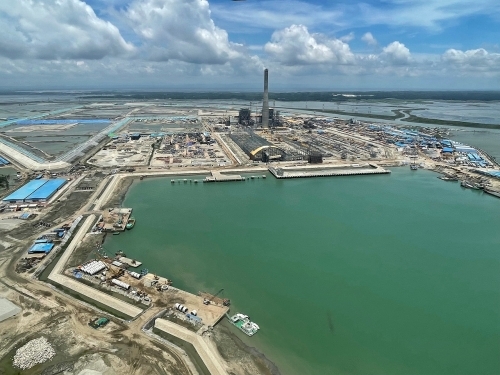 বড় জাহাজ মেরামতে মাতারবাড়ীতে ১ বিলিয়ন ডলারের প্রকল্প
 মাতারবাড়ীতে প্রায় ১ বিলিয়ন মার্কিন ডলার ব্যয়ে পরিবেশবান্ধব ডকইয়ার্ড ও জাহাজ নির্মাণ কেন্দ্র স্থাপনের উদ্যোগে নীতিগত অনুমোদন দিয়েছে নৌপরিবহন মন্ত্রণালয়। এখন প্রকল্পটির কারিগরি ও আর্থিক মূল্যায়নের জন্য প্রস্তাবটি সরকারি-বেসরকারি অংশীদারত্ব (পিপিপি) কর্তৃপক্ষের কাছে পাঠানো হয়েছে। সম্পূর্ণ বেসরকারি অর্থায়নে সরকারি জমির মালিকানা অক্ষুণ্ন রেখে প্রকল্পটি বাস্তবায়নের পরিকল্পনা রয়েছে। বন্দর কর্তৃপক্ষ জানায়, […]
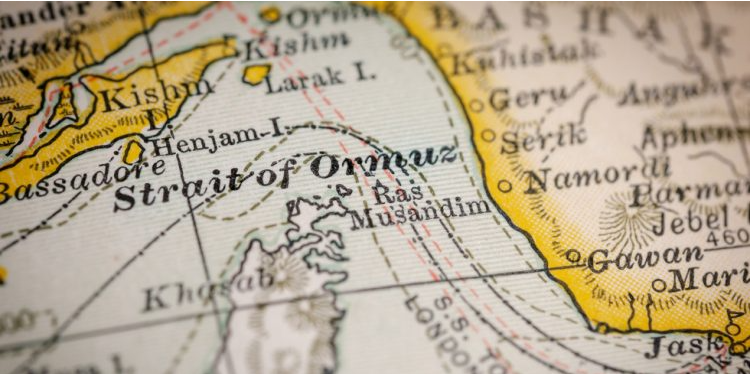 Industry on alert over scam messages offering ships “safe passage” on Hormuz
 Credit: Shutterstock Fraudulent messages offering safe passage through the Strait of Hormuz in exchange for cryptocurrency have been circulated to shipping companies with vessels stranded west of the waterway, according to MARISKS. In an alert issued on 20 April, MARISKS cautioned that unknown actors posing as Iranian authorities had contacted […]



JOB SITES
CONTENTS
LINKS
Happy New Year

Découvrez les avantages de MadCasino
Dans le monde des casinos en ligne, MadCasino se distingue par ses offres attrayantes et ses services de qualité. Que vous soyez un joueur débutant ou un parieur aguerri, vous trouverez ici une variété de jeux qui sauront satisfaire toutes vos envies. Les machines à sous, les jeux de table et les options de paris en direct sont tous disponibles pour vous offrir une expérience de jeu inégalée. De plus, le casino propose régulièrement des bonus qui permettent d'augmenter vos chances de gagner, vous offrant ainsi une excellente opportunité de maximiser vos gains.
En matière de sécurité, MadCasino est un nom de confiance. Il est entièrement licencié et régulé, ce qui garantit un environnement de jeu sûr et équitable. Les joueurs peuvent se concentrer sur leur expérience de jeu sans se soucier des problèmes de sécurité. Les transactions financières sont également sécurisées grâce à des technologies de pointe.
Les jeux proposés par MadCasino sont issus des développeurs les plus réputés de l'industrie, vous assurant des graphismes époustouflants et des mécaniques de jeu innovantes. Les joueurs peuvent également profiter d'une expérience de jeu en direct qui simule l'atmosphère d'un casino terrestre, tout en restant dans le confort de leur maison.
Enfin, la plateforme de MadCasino est optimisée pour les appareils mobiles, permettant aux joueurs de parier à tout moment et de n'importe où. Que vous soyez sur votre smartphone ou votre tablette, l'accès à vos jeux préférés n'a jamais été aussi simple. Ne manquez pas l'opportunité de découvrir ce casino exceptionnel.
Les offres de Cresus Casino
Cresus Casino est un autre acteur majeur dans le domaine des jeux en ligne, offrant des promotions généreuses et une vaste sélection de jeux. Les joueurs peuvent profiter d'une expérience de jeu enrichissante grâce aux nombreux bonus disponibles, qui sont conçus pour attirer tant les nouveaux utilisateurs que les joueurs réguliers. Ces avantages permettent non seulement de prolonger votre temps de jeu, mais aussi d'augmenter vos chances de gains conséquents.
Le casino se distingue également par sa ludothèque impressionnante, comprenant une sélection variée de machines à sous, de jeux de table et de jeux en direct. Les clients peuvent choisir parmi des titres populaires et appréciés, ainsi que des nouveautés qui enrichissent constamment l'offre. L'interface utilisateur est conviviale, rendant la navigation sur la plateforme fluide et agréable.
En termes de sécurité, Cresus Casino assure à ses joueurs un environnement de jeu fiable. La plateforme utilise des protocoles de sécurité avancés pour protéger les données personnelles et financières des utilisateurs. Cela permet aux joueurs de se sentir en sécurité tout en jouant à leurs jeux préférés.
Avec un service client réactif et professionnel, Cresus Casino s'assure que toutes vos questions et préoccupations sont traitées rapidement. Que ce soit pour des questions concernant les bonus, les retraits ou les jeux, vous bénéficierez d'une assistance rapide et efficace.
Explorez Nine Casino et ses avantages
Dans l'univers des casinos en ligne, Nine Casino a su se faire une place de choix grâce à son approche innovante et à ses nombreux avantages pour les joueurs. Les utilisateurs peuvent s'attendre à une expérience de jeu enrichissante, avec des bonus attractifs qui sont régulièrement mis à jour. Ces offres sont une excellente façon de découvrir de nouveaux jeux tout en maximisant votre potentiel de gain.
La plateforme de Nine Casino est riche en options de jeux, allant des machines à sous aux jeux de table, en passant par le live casino. Chaque jeu est conçu pour offrir une expérience immersive grâce à des graphismes de haute qualité et des fonctionnalités innovantes. Les parieurs peuvent profiter de sessions de jeu captivantes, comme s'ils étaient dans un véritable casino.
La sécurité est une priorité pour Nine Casino, qui utilise des technologies de cryptage avancées pour protéger les informations de ses joueurs. Cela garantit un environnement de jeu sûr et fiable, permettant aux utilisateurs de se concentrer sur ce qu'ils aiment le plus : jouer.
Enfin, le service clientèle fourni par Nine Casino est exceptionnel, avec des agents disponibles pour répondre à toutes vos questions et résoudre vos problèmes. Vous pourrez ainsi jouer en toute tranquillité, sachant que votre satisfaction est au cœur de leurs préoccupations.
Profitez de l'expérience Lucky31
Lucky31 est un casino en ligne qui se distingue par son approche orientée vers le joueur, offrant une multitude d'options de jeux et des bonus généreux. Que vous soyez amateur de machines à sous ou passionné de jeux de table, vous trouverez une large sélection pour satisfaire toutes vos envies de jeu. Les promotions fréquentes permettent aux joueurs de prolonger leur expérience tout en augmentant leurs chances de gains.
La convivialité de la plateforme de Lucky31 est l'un de ses plus grands atouts. Les joueurs peuvent naviguer facilement entre les différents jeux, et l'interface est conçue pour être intuitive, quel que soit le niveau d'expérience de l'utilisateur. De plus, le casino est entièrement optimisé pour les appareils mobiles, ce qui permet de parier où que vous soyez.
En matière de sécurité, Lucky31 prend les préoccupations des joueurs très au sérieux. Le casino est agréé et régulé, garantissant un environnement de jeu équitable et sécurisé. Les joueurs peuvent ainsi se concentrer sur leur expérience de jeu sans se soucier des risques liés à la sécurité.
Pour ceux qui recherchent un support client efficace, Lucky31 offre un service réactif et professionnel. Que ce soit pour des questions sur les bonus, les jeux ou les paiements, vous aurez accès à une assistance de qualité, vous garantissant une expérience de jeu fluide et agréable.