search the site


The “Safe Bubble”: Integrating security and health for seafarers’ welfare in high-risk zones
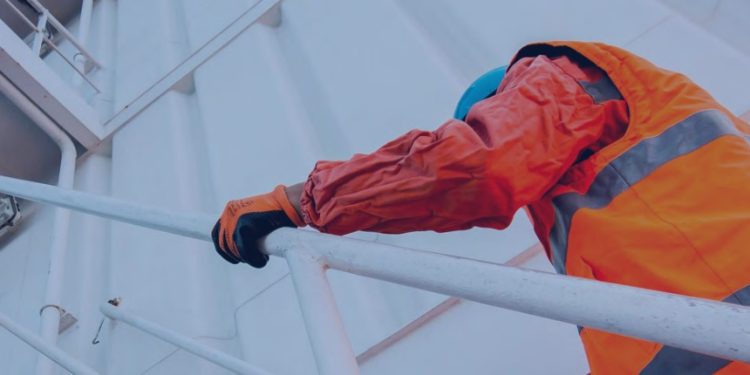
During his presentation at the 2026 SAFETY4SEA Limassol Forum, Angelo Lazaridis, Chief Commercial Officer at Diaplous Group, used a hypothetical scenario set in the Middle East Conflict Zone, to illustrate the critical challenges seafarers face during medical evacuations.
In hybrid war zones, where traditional medevac may be impossible due to drone threats and GPS jamming, he stressed the importance of investing in predictive security measures and advanced onboard healthcare capabilities.
The maritime landscape has dramatically changed over the last decade. As a risk manager at Diaplous Group, operating since 2010 at the intersection of geopolitical tension and maritime operations, I have witnessed firsthand how risk is no longer confined to hull integrity or cargo protection. Today, the real challenge lies deeper, within the human element.
We often speak about protecting the vessel, the cargo, and the commercial mission. But increasingly, I believe we must shift our focus beyond steel and structure, toward the seafarers themselves, the individuals experiencing these crises in real time.
A new reality at sea
The images we receive daily from vessels transiting high-risk areas are not simulations or AI-generated fabrications. They are real, raw, and deeply unsettling. From the Strait of Hormuz to the Arabian Gulf, seafarers are witnessing nearby explosions, burning ships, and active attacks; often without any clear understanding of what is unfolding around them.
In many cases, crews are left in informational darkness. They see danger, but they lack context. They feel fear, but they have no guidance. Imagine standing watch on deck, observing a vessel nearby engulfed in flames, unsure whether you are the next target. This is not a hypothetical scenario; it is the lived experience of many seafarers today.
Shipping has undeniably entered a new phase. Vessels are no longer just collateral damage in geopolitical conflicts; they are increasingly becoming deliberate targets or instruments within broader political strategies.
The psychological toll
There are two undeniable truths. First, psychological terror at sea is real. Second, its consequences are measurable—and severe.
Recent industry data reveals that around 30% of maritime workers exhibit symptoms of anxiety. Even more concerning, approximately 20% report experiencing suicidal thoughts, while 11% of deaths in the industry are linked to suicide. These are not abstract statistics, they represent human lives under extreme strain.
This psychological burden directly impacts operational safety. Fatigue, stress, and fear degrade decision-making. Today, roughly one-third of seafarers suffer from insufficient sleep. When combined with the fact that up to 96% of maritime incidents involve human error, the connection becomes undeniable.
The cost is not only human but also financial, with hundreds of millions in losses annually attributed to human error. Yet behind these numbers lies a deeper issue: a system that has not fully adapted to the evolving nature of risk.
A growing maritime safety crisis
- The psychological burden translates directly into operational risk.
- A terrified, exhausted crew is prone to errors.
- Human error already costs the industry $541m annually.
- In a war zone, a navigational or operational error can be fatal.
- Fatigue among seafarers is not just a personal health issue – it’s a systemic safety hazard with global implications.
Beyond mental health: Physical consequences
Stress does not remain confined to the mind. It manifests physically. We are seeing increased rates of cardiovascular issues, gastrointestinal disorders, and chronic fatigue among seafarers. These are not isolated medical concerns- they are symptoms of prolonged exposure to high-stress, high-risk environments.
Consider a scenario where a crew member suffers chest pain while the vessel is stranded in a conflict zone. Evacuation may be impossible. Access to medical infrastructure may be nonexistent. In such cases, the question becomes critical: how do we deliver care when we cannot move the patient?
From reaction to prediction
Traditionally, the industry has approached security, safety, and health as separate domains. I strongly believe this model is no longer viable. We must move from a reactive mindset to a predictive one.
This means integrating real-time intelligence, continuous monitoring, and proactive risk assessment into daily operations. It means adopting 24/7 intelligence systems capable of identifying anomalies and anticipating threats before they escalate.
Remote monitoring and enhanced watchkeeping allow us to maintain situational awareness beyond the vessel itself. When crews know that someone is actively monitoring their environment and working to protect them, the psychological relief is significant. That reassurance alone can improve performance and reduce stress.
Building the “Safe Bubble”
The concept I advocate is what I call the “Safe Bubble”—a holistic operational framework that integrates security, health, and human support into a unified system. This “bubble” is not theoretical. It is already achievable with existing tools.
On the security side, predictive intelligence and coordinated response mechanisms help prevent incidents before they occur. On the human side, direct communication with crews—explaining risks, providing updates, and offering reassurance—can dramatically reduce fear.
On the medical front, technology is bridging previously insurmountable gaps. Portable diagnostic tools now allow us to conduct laboratory-level testing onboard vessels. With just a small blood sample, we can measure critical indicators such as troponin or D-dimer, enabling early detection of serious conditions.
In essence, if we cannot bring the seafarer to the hospital, we must bring the hospital to the seafarer.
The cost of safety and its value
Implementing such systems is not without cost. Advanced equipment, continuous monitoring, and integrated services require investment. However, the return is clear.
Every incident prevented, every evacuation avoided, and every life protected contributes not only to operational continuity but also to long-term sustainability. Safety is no longer a compliance requirement—it is a strategic imperative.
The ROI of true care
Crew illnesses may lead to significant costs, particularly when emergency evacuation or repatriation is needed.
Therefore, investing in predictive security and advanced onboard health isn’t just a moral imperative; it is commercially vital. It reduces massive repatriation costs, minimizes downtime, and crucially, it builds immense trust with your crew.
- High Turnover costs: associated with dissatisfaction and psychological problems, leading to loss of experienced personnel and increased recruitment costs.
- Operational costs: inefficiency, frequent substitutions, and reduced performance result in significant financial losses.
Navigating the future
The maritime industry faces a fundamental choice.
We can either withdraw from high-risk areas and halt operations, or we can adapt. We can equip our vessels and empower our crews with the tools needed to operate safely in an increasingly complex world.
From my perspective, the path forward is clear. We must embrace integration, innovation, and proactive thinking. By doing so, we can stay ahead of the risk curve and ensure that seafarers are not just protected—but supported, informed, and resilient.
The “Safe Bubble” is not just a concept. It is a necessity for the future of shipping. And ultimately, it is about recognizing that behind every vessel is a human life—and that life must remain at the center of everything we do.
source : safety4sea.
Featured Post
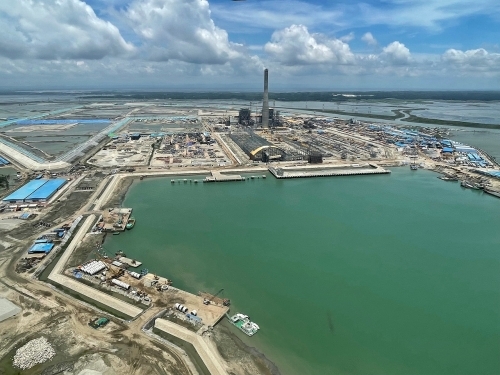 বড় জাহাজ মেরামতে মাতারবাড়ীতে ১ বিলিয়ন ডলারের প্রকল্প
 মাতারবাড়ীতে প্রায় ১ বিলিয়ন মার্কিন ডলার ব্যয়ে পরিবেশবান্ধব ডকইয়ার্ড ও জাহাজ নির্মাণ কেন্দ্র স্থাপনের উদ্যোগে নীতিগত অনুমোদন দিয়েছে নৌপরিবহন মন্ত্রণালয়। এখন প্রকল্পটির কারিগরি ও আর্থিক মূল্যায়নের জন্য প্রস্তাবটি সরকারি-বেসরকারি অংশীদারত্ব (পিপিপি) কর্তৃপক্ষের কাছে পাঠানো হয়েছে। সম্পূর্ণ বেসরকারি অর্থায়নে সরকারি জমির মালিকানা অক্ষুণ্ন রেখে প্রকল্পটি বাস্তবায়নের পরিকল্পনা রয়েছে। বন্দর কর্তৃপক্ষ জানায়, […]
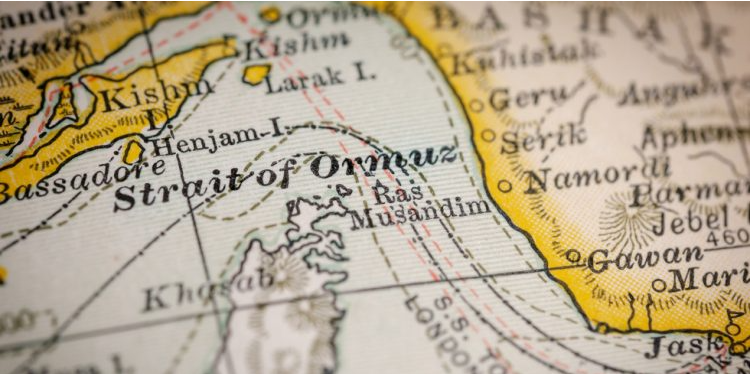 Industry on alert over scam messages offering ships “safe passage” on Hormuz
 Credit: Shutterstock Fraudulent messages offering safe passage through the Strait of Hormuz in exchange for cryptocurrency have been circulated to shipping companies with vessels stranded west of the waterway, according to MARISKS. In an alert issued on 20 April, MARISKS cautioned that unknown actors posing as Iranian authorities had contacted […]



JOB SITES
CONTENTS
LINKS
Happy New Year

Découvrez les avantages de MadCasino
Dans le monde des casinos en ligne, MadCasino se distingue par ses offres attrayantes et ses services de qualité. Que vous soyez un joueur débutant ou un parieur aguerri, vous trouverez ici une variété de jeux qui sauront satisfaire toutes vos envies. Les machines à sous, les jeux de table et les options de paris en direct sont tous disponibles pour vous offrir une expérience de jeu inégalée. De plus, le casino propose régulièrement des bonus qui permettent d'augmenter vos chances de gagner, vous offrant ainsi une excellente opportunité de maximiser vos gains.
En matière de sécurité, MadCasino est un nom de confiance. Il est entièrement licencié et régulé, ce qui garantit un environnement de jeu sûr et équitable. Les joueurs peuvent se concentrer sur leur expérience de jeu sans se soucier des problèmes de sécurité. Les transactions financières sont également sécurisées grâce à des technologies de pointe.
Les jeux proposés par MadCasino sont issus des développeurs les plus réputés de l'industrie, vous assurant des graphismes époustouflants et des mécaniques de jeu innovantes. Les joueurs peuvent également profiter d'une expérience de jeu en direct qui simule l'atmosphère d'un casino terrestre, tout en restant dans le confort de leur maison.
Enfin, la plateforme de MadCasino est optimisée pour les appareils mobiles, permettant aux joueurs de parier à tout moment et de n'importe où. Que vous soyez sur votre smartphone ou votre tablette, l'accès à vos jeux préférés n'a jamais été aussi simple. Ne manquez pas l'opportunité de découvrir ce casino exceptionnel.
Les offres de Cresus Casino
Cresus Casino est un autre acteur majeur dans le domaine des jeux en ligne, offrant des promotions généreuses et une vaste sélection de jeux. Les joueurs peuvent profiter d'une expérience de jeu enrichissante grâce aux nombreux bonus disponibles, qui sont conçus pour attirer tant les nouveaux utilisateurs que les joueurs réguliers. Ces avantages permettent non seulement de prolonger votre temps de jeu, mais aussi d'augmenter vos chances de gains conséquents.
Le casino se distingue également par sa ludothèque impressionnante, comprenant une sélection variée de machines à sous, de jeux de table et de jeux en direct. Les clients peuvent choisir parmi des titres populaires et appréciés, ainsi que des nouveautés qui enrichissent constamment l'offre. L'interface utilisateur est conviviale, rendant la navigation sur la plateforme fluide et agréable.
En termes de sécurité, Cresus Casino assure à ses joueurs un environnement de jeu fiable. La plateforme utilise des protocoles de sécurité avancés pour protéger les données personnelles et financières des utilisateurs. Cela permet aux joueurs de se sentir en sécurité tout en jouant à leurs jeux préférés.
Avec un service client réactif et professionnel, Cresus Casino s'assure que toutes vos questions et préoccupations sont traitées rapidement. Que ce soit pour des questions concernant les bonus, les retraits ou les jeux, vous bénéficierez d'une assistance rapide et efficace.
Explorez Nine Casino et ses avantages
Dans l'univers des casinos en ligne, Nine Casino a su se faire une place de choix grâce à son approche innovante et à ses nombreux avantages pour les joueurs. Les utilisateurs peuvent s'attendre à une expérience de jeu enrichissante, avec des bonus attractifs qui sont régulièrement mis à jour. Ces offres sont une excellente façon de découvrir de nouveaux jeux tout en maximisant votre potentiel de gain.
La plateforme de Nine Casino est riche en options de jeux, allant des machines à sous aux jeux de table, en passant par le live casino. Chaque jeu est conçu pour offrir une expérience immersive grâce à des graphismes de haute qualité et des fonctionnalités innovantes. Les parieurs peuvent profiter de sessions de jeu captivantes, comme s'ils étaient dans un véritable casino.
La sécurité est une priorité pour Nine Casino, qui utilise des technologies de cryptage avancées pour protéger les informations de ses joueurs. Cela garantit un environnement de jeu sûr et fiable, permettant aux utilisateurs de se concentrer sur ce qu'ils aiment le plus : jouer.
Enfin, le service clientèle fourni par Nine Casino est exceptionnel, avec des agents disponibles pour répondre à toutes vos questions et résoudre vos problèmes. Vous pourrez ainsi jouer en toute tranquillité, sachant que votre satisfaction est au cœur de leurs préoccupations.
Profitez de l'expérience Lucky31
Lucky31 est un casino en ligne qui se distingue par son approche orientée vers le joueur, offrant une multitude d'options de jeux et des bonus généreux. Que vous soyez amateur de machines à sous ou passionné de jeux de table, vous trouverez une large sélection pour satisfaire toutes vos envies de jeu. Les promotions fréquentes permettent aux joueurs de prolonger leur expérience tout en augmentant leurs chances de gains.
La convivialité de la plateforme de Lucky31 est l'un de ses plus grands atouts. Les joueurs peuvent naviguer facilement entre les différents jeux, et l'interface est conçue pour être intuitive, quel que soit le niveau d'expérience de l'utilisateur. De plus, le casino est entièrement optimisé pour les appareils mobiles, ce qui permet de parier où que vous soyez.
En matière de sécurité, Lucky31 prend les préoccupations des joueurs très au sérieux. Le casino est agréé et régulé, garantissant un environnement de jeu équitable et sécurisé. Les joueurs peuvent ainsi se concentrer sur leur expérience de jeu sans se soucier des risques liés à la sécurité.
Pour ceux qui recherchent un support client efficace, Lucky31 offre un service réactif et professionnel. Que ce soit pour des questions sur les bonus, les jeux ou les paiements, vous aurez accès à une assistance de qualité, vous garantissant une expérience de jeu fluide et agréable.