search the site


Women in Ports: Diversity is a competitive advantage – it’s time the industry treated it like one
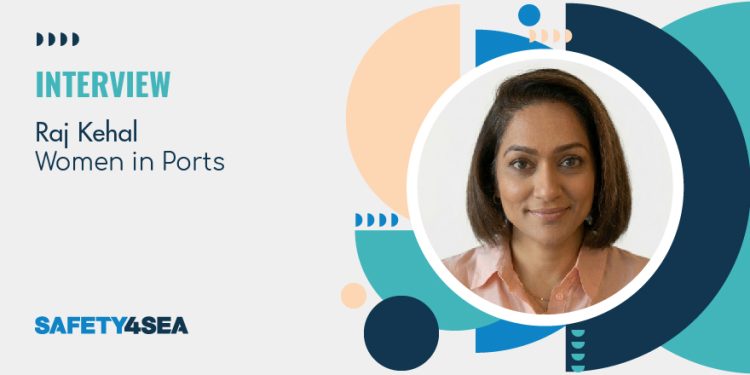
In an exclusive interview, Raj Kehal-Livi, Chief Executive of Women in Ports Ltd, shares the story behind an initiative dedicated to driving greater diversity across the port sector. Grounded in the belief that diversity fuels high performance, the organization is working to support meaningful and measurable change across the industry.
“What gets measured gets managed,” Raj emphasizes. She advocates for ports to publish transparent data on gender representation—not just headline figures, but detailed breakdowns across leadership, operations, and board levels. Equally important, she notes, is fostering psychological safety. “Women need to know they can speak up, challenge the status quo, and show up authentically—without it costing them professionally,” she concludes.
SAFETY4SEA: What was the original vision behind Women in Ports, and how has that vision evolved since the platform’s inception?
Raj Kehal: As Head of Stakeholder Engagement at the Port of London Authority, I attended various industry events, and in November 2023, everything changed. I was at an evening reception — a room full of senior industry leaders, conversations flowing, connections being made — and I looked around and thought: where are all the women? It was that defining moment that made me ask: can we change the record? It is 2023. And in that moment, I had a choice: do I follow the money, take the safe path, or do I follow purpose? I chose purpose, and Women in Ports was born from that decision. The original vision was straightforward — create a platform that makes women in this sector visible, connected, and supported. But it has already grown into something bigger. It is no longer just about representation; it is about transformation. We want to change a system that is not fit for purpose — through data, visibility, innovation, accessibility, and knowledge. It is no longer about having a seat at the table; it is about changing the table itself.
S4S: Why is it critical to frame gender diversity not only as a social imperative, but as a business necessity for the ports and wider maritime sector?
R.K.: I was at a conference hosted by the Diversity Study Group last year, and a speaker summed it up perfectly: diversity is high performance. If we look at it through the lens of problem-solving, the best solutions come from varied viewpoints around a table. When you create balanced teams of men and women, you build high-performing organisations that are future-proofed and ready to compete on a global stage. This is no longer simply a moral case or a matter of doing the right thing — it makes business sense. The business case is overwhelming. Ports and maritime are operating in an era of massive disruption: decarbonisation, digitalisation, geopolitical shifts. The organisations that will navigate that complexity successfully are those with the most diverse thinking at the table. Diversity is not a nice-to-have; it is a competitive advantage, and the industry needs to start treating it like one.
S4S: What are the most persistent structural or systemic barriers that women continue to face across the ports industry today?
R.K.: The barriers are layered. First, there is visibility — or the lack of it. When young women do not see women in senior roles, on panels, or leading operations, they do not picture themselves there either. That pipeline problem starts early. Then there is culture. Ports have historically been male-dominated environments, and culture does not change simply because policy does. There are still workplaces where women must work twice as hard to be taken half as seriously. And then there are the practical realities — a lack of flexible working, inadequate facilities, exclusionary language in job adverts, and networking that takes place in spaces women are not always included in. These are not small inconveniences; they are structural barriers that compound over time and push talented women out of the industry entirely.
S4S: Based on your experience, what three key qualities, capabilities, or strategies are essential for women to thrive and advance in the ports and maritime sector?
R.K.: First, resilience — and I mean genuine resilience. This is an industry that can be challenging, and at times unwelcoming and overwhelming. You need the inner resources to stay the course when it is hard, without losing your authenticity in the process. Second, community. Do not try to do this alone. Find your people — mentors, peers, allies, and sponsors, both within the industry and beyond it. Women in Ports exists precisely for this reason. Your network is not just an asset; it is a lifeline. Third, unapologetic ambition.
So many women I have met are incredibly capable but have been conditioned to downplay it. Own your expertise. Put yourself forward. The industry needs your voice at the table — but you must claim your seat first.
S4S: What diversity and inclusion initiatives would you most like to see implemented across both shipboard roles and shore-based port operations?
R.K.: I want to see intentional sponsorship programmes — not just mentoring, but senior leaders actively using their influence to open doors for women and create real opportunities to apply what they have learned. Mentors give advice; sponsors change careers. I would also like to see the end of the tokenistic approach to DEI — one woman on a panel, one ‘women in maritime’ event per year. That is not inclusion; that is optics. Real inclusion means embedding diverse thinking at every level of operations, from the bridge to the boardroom.
S4S: What has been the most rewarding or impactful aspect of your involvement with Women in Ports so far?
R.K.: Without a doubt, it is the people. It is the conversations where women tell me that it feels good to be heard — and particularly watching young women find their voice. The first guest on the Women in Ports podcast was Kaitlyn Croxall, a young woman from PD Ports, and it was so important for us to amplify a young voice from the outset — to set the tone of our intention and remind ourselves why we are here. We are still in our early days, but the energy and response has been extraordinary. People were clearly waiting for this, and there is something incredibly powerful about watching a community come to life around a shared sense of purpose. It reminds me every single day that choosing purpose over the safe path was absolutely the right call.
S4S: If you had a ‘DEI wish list’ for industry stakeholders, what key actions or systemic changes would you prioritise to achieve meaningful and lasting progress?
R.K.: My wish list starts with one non-negotiable: measure it. What gets measured gets managed. I want to see ports publishing transparent data on gender representation — not just a headline figure, but broken down across leadership, operations, and board level. Second, psychological safety. Women need to know they can speak up, challenge the status quo, and show up authentically — without it costing them professionally. That requires leaders to actively model inclusive behaviour, not simply sign off on a policy document. Third, create deliberate pathways to opportunity. Women cannot advance into roles they have never been given the chance to prove themselves in. Stretch assignments, operational rotations, and high-visibility projects need to be distributed equitably — not handed to the usual suspects. And finally, use your commercial power. If you are awarding contracts to organisations with no commitment to diversity, you are funding the problem. Procurement decisions are DEI decisions. Above all, listen to the women already in the industry. Do not design programmes about us without us.
S4S: Looking ahead, what would a truly inclusive, diverse, and sustainable ports and maritime industry look like to you, and what practical steps are needed to realize that vision?
R.K.: Success, for me, looks like the day Women in Ports no longer needs to exist — when a young woman walks into a port operations centre, a boardroom, or onto a vessel bridge and she is simply an equal. To get there, we need action at every level. Investment in girls and young women before they even reach career decision points, because the pipeline problem starts early. Leadership development that genuinely addresses the barriers women face — not generic programmes. Industry associations and regulators moving from guidance to standards, because voluntary commitments have had their chance. And we need men alongside us — as genuine allies who use their voices and their influence — because the most powerful change happens when we move forward together. The vision is an industry that does not need Women in Ports. But until we get there, we will be doing everything we can to make that day come sooner.
S4S: If you could change one thing in the maritime industry today to better support diversity, equity, and inclusion, what would it be and why?
R.K.: I would change the default assumption about who belongs in this industry. Every system, every culture, every unconscious bias flows from that single starting point. When the default image of a maritime professional is no longer automatically male, everything else begins to shift — hiring, promotion, culture, facilities, language. It may sound abstract, but it is actually the most concrete change you can make, because it changes everything downstream. And it starts with visibility — which is exactly why we exist.
S4S: What advice would you offer to young women considering a career in ports, transport, or the broader maritime sector?
R.K.: Come in. This industry needs you more than you know. Yes, it can be challenging, and there will be moments when you feel like an outsider. But maritime is one of the most globally significant, intellectually stimulating, and genuinely impactful industries in the world — and it is changing. Find your mentors early. Seek out communities where you can be yourself and find your people. Do not shrink yourself to fit a space that has not yet caught up with you. And remember — you do not have to choose between ambition and authenticity. Bring both. The industry needs your expertise and your perspective in equal measure.
source : safety4sea
Featured Post
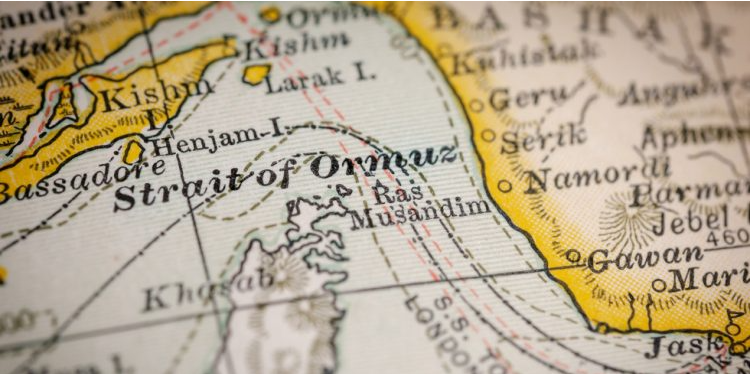 Industry on alert over scam messages offering ships “safe passage” on Hormuz
 Credit: Shutterstock Fraudulent messages offering safe passage through the Strait of Hormuz in exchange for cryptocurrency have been circulated to shipping companies with vessels stranded west of the waterway, according to MARISKS. In an alert issued on 20 April, MARISKS cautioned that unknown actors posing as Iranian authorities had contacted […]
 The ‘Cadet Gridlock’ in Bangladesh’s Maritime Sector: A Sorrowful Story of Wasted Potential
 The ‘Cadet Gridlock’ in Bangladesh’s Maritime Sector: A Sorrowful Story of Wasted Potential By Minar Rashid 21E On 15 November, the BMCS Gala Night 2025 was held at Singapore’s Orchid Country Club. With the vibrant participation of hundreds of Bangladeshi mariners and their families, the event became a remarkable reunion […]



JOB SITES
CONTENTS
LINKS
Happy New Year

Découvrez les avantages de MadCasino
Dans le monde des casinos en ligne, MadCasino se distingue par ses offres attrayantes et ses services de qualité. Que vous soyez un joueur débutant ou un parieur aguerri, vous trouverez ici une variété de jeux qui sauront satisfaire toutes vos envies. Les machines à sous, les jeux de table et les options de paris en direct sont tous disponibles pour vous offrir une expérience de jeu inégalée. De plus, le casino propose régulièrement des bonus qui permettent d'augmenter vos chances de gagner, vous offrant ainsi une excellente opportunité de maximiser vos gains.
En matière de sécurité, MadCasino est un nom de confiance. Il est entièrement licencié et régulé, ce qui garantit un environnement de jeu sûr et équitable. Les joueurs peuvent se concentrer sur leur expérience de jeu sans se soucier des problèmes de sécurité. Les transactions financières sont également sécurisées grâce à des technologies de pointe.
Les jeux proposés par MadCasino sont issus des développeurs les plus réputés de l'industrie, vous assurant des graphismes époustouflants et des mécaniques de jeu innovantes. Les joueurs peuvent également profiter d'une expérience de jeu en direct qui simule l'atmosphère d'un casino terrestre, tout en restant dans le confort de leur maison.
Enfin, la plateforme de MadCasino est optimisée pour les appareils mobiles, permettant aux joueurs de parier à tout moment et de n'importe où. Que vous soyez sur votre smartphone ou votre tablette, l'accès à vos jeux préférés n'a jamais été aussi simple. Ne manquez pas l'opportunité de découvrir ce casino exceptionnel.
Les offres de Cresus Casino
Cresus Casino est un autre acteur majeur dans le domaine des jeux en ligne, offrant des promotions généreuses et une vaste sélection de jeux. Les joueurs peuvent profiter d'une expérience de jeu enrichissante grâce aux nombreux bonus disponibles, qui sont conçus pour attirer tant les nouveaux utilisateurs que les joueurs réguliers. Ces avantages permettent non seulement de prolonger votre temps de jeu, mais aussi d'augmenter vos chances de gains conséquents.
Le casino se distingue également par sa ludothèque impressionnante, comprenant une sélection variée de machines à sous, de jeux de table et de jeux en direct. Les clients peuvent choisir parmi des titres populaires et appréciés, ainsi que des nouveautés qui enrichissent constamment l'offre. L'interface utilisateur est conviviale, rendant la navigation sur la plateforme fluide et agréable.
En termes de sécurité, Cresus Casino assure à ses joueurs un environnement de jeu fiable. La plateforme utilise des protocoles de sécurité avancés pour protéger les données personnelles et financières des utilisateurs. Cela permet aux joueurs de se sentir en sécurité tout en jouant à leurs jeux préférés.
Avec un service client réactif et professionnel, Cresus Casino s'assure que toutes vos questions et préoccupations sont traitées rapidement. Que ce soit pour des questions concernant les bonus, les retraits ou les jeux, vous bénéficierez d'une assistance rapide et efficace.
Explorez Nine Casino et ses avantages
Dans l'univers des casinos en ligne, Nine Casino a su se faire une place de choix grâce à son approche innovante et à ses nombreux avantages pour les joueurs. Les utilisateurs peuvent s'attendre à une expérience de jeu enrichissante, avec des bonus attractifs qui sont régulièrement mis à jour. Ces offres sont une excellente façon de découvrir de nouveaux jeux tout en maximisant votre potentiel de gain.
La plateforme de Nine Casino est riche en options de jeux, allant des machines à sous aux jeux de table, en passant par le live casino. Chaque jeu est conçu pour offrir une expérience immersive grâce à des graphismes de haute qualité et des fonctionnalités innovantes. Les parieurs peuvent profiter de sessions de jeu captivantes, comme s'ils étaient dans un véritable casino.
La sécurité est une priorité pour Nine Casino, qui utilise des technologies de cryptage avancées pour protéger les informations de ses joueurs. Cela garantit un environnement de jeu sûr et fiable, permettant aux utilisateurs de se concentrer sur ce qu'ils aiment le plus : jouer.
Enfin, le service clientèle fourni par Nine Casino est exceptionnel, avec des agents disponibles pour répondre à toutes vos questions et résoudre vos problèmes. Vous pourrez ainsi jouer en toute tranquillité, sachant que votre satisfaction est au cœur de leurs préoccupations.
Profitez de l'expérience Lucky31
Lucky31 est un casino en ligne qui se distingue par son approche orientée vers le joueur, offrant une multitude d'options de jeux et des bonus généreux. Que vous soyez amateur de machines à sous ou passionné de jeux de table, vous trouverez une large sélection pour satisfaire toutes vos envies de jeu. Les promotions fréquentes permettent aux joueurs de prolonger leur expérience tout en augmentant leurs chances de gains.
La convivialité de la plateforme de Lucky31 est l'un de ses plus grands atouts. Les joueurs peuvent naviguer facilement entre les différents jeux, et l'interface est conçue pour être intuitive, quel que soit le niveau d'expérience de l'utilisateur. De plus, le casino est entièrement optimisé pour les appareils mobiles, ce qui permet de parier où que vous soyez.
En matière de sécurité, Lucky31 prend les préoccupations des joueurs très au sérieux. Le casino est agréé et régulé, garantissant un environnement de jeu équitable et sécurisé. Les joueurs peuvent ainsi se concentrer sur leur expérience de jeu sans se soucier des risques liés à la sécurité.
Pour ceux qui recherchent un support client efficace, Lucky31 offre un service réactif et professionnel. Que ce soit pour des questions sur les bonus, les jeux ou les paiements, vous aurez accès à une assistance de qualité, vous garantissant une expérience de jeu fluide et agréable.