search the site


2025 SEAFiT Crew Survey results show falling satisfaction levels and severe obstacles to shore leave
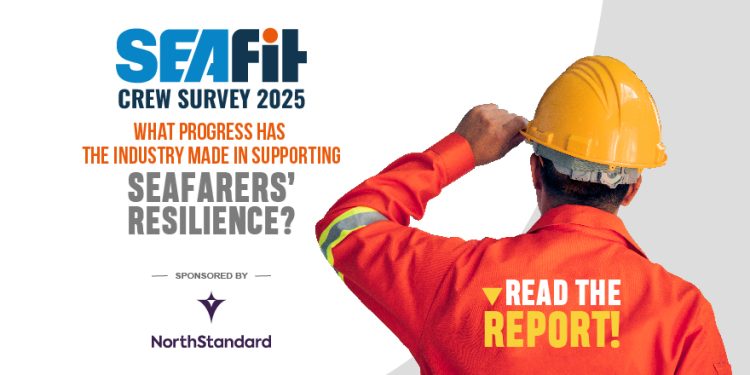
The 2025 SEAFiT Crew Survey, covering 1.7K ships and 22K seafarers worldwide and sponsored by NorthStandard, shines a spotlight on mounting challenges at sea.
Results show falling satisfaction levels, severe obstacles to shore leave, rising wellbeing concerns – especially around sleep, food, and recreation – and continued dissatisfaction with onboard connectivity
Seafarers are the backbone of global shipping and the driving force behind maritime trade. As the IMO Secretary-General aptly stated, “No seafarers, no shipping, no shopping.” Ensuring a sustainable future for the industry depends on maintaining a healthy, supported, and productive workforce, making crew welfare a key priority.
The year 2025 has brought numerous challenges to shipping, including ongoing conflicts in Israel, Iran, and Ukraine, as well as Houthi attacks in the Red Sea, which disrupted global supply routes. Despite these obstacles, the industry quickly adapted, with seafarers – the unsung heroes – ensuring the continuous flow of raw materials, fuel, food, and goods worldwide. Against this backdrop, the latest SAFETY4SEA survey, which captured responses from 21,775 seafarers across 1,703 vessels worldwide, highlights the most pressing priorities for improving working conditions and overall wellbeing at sea.
Since its launch in 2019, the survey, initiated by SAFETY4SEA, has provided a roadmap for the maritime industry, helping organizations adopt a new mindset towards well-being at both the organizational and industry levels. The 2025 survey was sponsored by NorthStandard, the leading global marine insurer, committed to protecting seafarers and understanding their needs.
NorthStandard’s support of the SEAFiT Crew Survey is a recognition that protecting seafarers and understanding their needs is critical for the welfare for those working in the maritime industry and for keeping global trade moving,
…said Capt. Yves Vandenborn, Head of Loss Prevention Asia Pacific, NorthStandard.
This year, the Crew Wellness Index (SEAFiT Index) stands at 70.1%, indicating that overall crew welfare remains generally positive but is experiencing a gradual decline. Compared with 2024 (72.5%), the new results reflect a downward trend and highlight mounting pressures on seafarers’ wellbeing.
Conducted during Q2 and Q3 of 2025, the survey engaged both onboard and shore-based personnel. It explored various dimensions of crew welfare, including:
- Wellness
- Physical and mental health communication
- Operational wellbeing
- Happiness
- Physical wellbeing issues
- Mental and social health barriers
- Shore leave challenges
Most respondents were from Asian and European nationalities, with Filipino seafarers comprising the largest group at 60%. Other countries with significant participation included Greece, India, and Ukraine (Graph 1). In terms of vessel type, tanker ships accounted for the majority of responses, representing 60% of the participating fleet (Graph 2).


Key Findings
- Welfare on board is shaped by a wide range of factors, with many essential aspects of life at sea rated at satisfactory levels. The overall Crew Wellness Index – the SEAFiT Index – was measured at 70.1%, showing a slight decline compared with 2024 (72.5%).
- The 2025 SEAFiT Index assessed satisfaction across several dimensions (Graph 3): Wellness Index (WNI – 82%), Communication Index (CMI – 77.6%), Happiness Index (HPI – 72.4%), and Wellbeing Index (WBI – 61.1%).
- The Mental Wellbeing Index continued its downward trend in 2025 (Graph 4). The survey identified several Mental Health Barriers (Table 2), with the three most significant being: lack of information on symptoms related to mental health concerns (58%); inadequate healthcare coverage for mental health issues (57.4%); and insufficient guidance on coping strategies for mental health challenges (60.5%).
- The Physical Wellbeing Index remained stable compared with 2024 but showed a notable decline relative to 2023 (Graph 4). This drop may be linked to the challenges of prolonged periods at sea, which heighten stress and mental health issues and subsequently affect physical wellbeing and overall satisfaction.
- Communication continues to be the top priority for seafarers. Although satisfaction with the related question was high (90%), respondents still expressed the need for greater internet access and privileges on board.
- Recreational facilities remain a consistent concern, as opportunities for relaxation and leisure time onboard significantly influence physical wellbeing, satisfaction, and seafarers’ ability to cope with demanding daily routines.
- Wages and bonuses are also high on seafarers’ list of priorities, with satisfaction in the relevant question reaching 57%.
- Shore leave challenges were explored in a dedicated section, revealing very low satisfaction levels, below 50% (Table 3). Tight operational schedules, long distances between terminals and city areas, and short port stays were identified as key factors preventing seafarers from enjoying meaningful shore leave.
- Other issues of high importance include increased workload, food and water quality/quantity, and career development opportunities.


Seafarers’ voices: Insights from open feedback
The survey’s open-ended responses revealed several recurring themes:
- Connectivity: Seafarers repeatedly emphasized that internet access is not just a convenience but a necessity for maintaining family ties, staying informed, and relieving stress. Calls for better, ideally free, onboard internet were common.
- Social environment: Crew members advocated for stronger camaraderie and reduced isolation through structured team-building activities such as game nights and group recreational events.
- Recreation and nutrition: Requests for enhanced gym facilities, more leisure activities, and healthier, diverse meals – including more fruits and vegetables- were frequent.
- Mental health support: There is a growing demand for structured mental health programs, resilience-building sessions, awareness training, access to counseling, and expanded medical insurance covering family members ashore. Regular check-ins and proactive support were cited as essential measures.
- Operational concerns: While crew changes have largely stabilized post-COVID, seafarers report that repatriation remains stressful, and shore leave is often limited due to port restrictions and administrative hurdles.
Apo Belokas, Managing Editor at SAFETY4SEA, commented on the survey results: “The 2025 SEAFiT Crew Survey clearly shows that while the maritime industry has maintained a reasonable standard of welfare, seafarer wellbeing is plateauing and beginning to decline.”
Addressing connectivity, shore leave, mental health, and recreational opportunities must be a priority to sustain a resilient and motivated workforce.
7 key recommendations for industry action
Based on the survey findings, several actionable steps are recommended to address seafarers’ concerns:
- Improve connectivity: Expand internet access onboard with sufficient data allowances and affordable or free options to ensure crews remain connected to their families and essential services.
- Enhance mental health support: Introduce structured mental health programs, provide resilience and coping workshops, access to professional counseling, and extend coverage to family members.
- Upgrade recreational facilities: Expand leisure activities, improve gym facilities, and implement regular team-building events to strengthen social cohesion.
- Improve nutrition and food quality: Offer varied, nutritious meals, emphasizing a balanced diet to support physical health and morale.
- Ensure meaningful shore leave: Work with port authorities to minimize operational and administrative barriers, allowing crews adequate time for rest and recreation ashore.
- Manage workload and operational pressures: Review staffing models, rotations, and onboard responsibilities to reduce fatigue and improve overall satisfaction.
- Fair compensation and career development: Address pay, bonuses, and career progression opportunities to retain experienced personnel and incentivize performance.

A workforce under pressure
The 2025 SEAFiT Crew Survey underscores that seafarers are navigating an increasingly complex and challenging work environment.
Despite a generally positive Crew Wellness Index of 70.1%, declining satisfaction levels highlight the pressures and unmet needs that persist. Communication, mental health support, recreational opportunities, and meaningful shore leave remain critical areas for improvement.
… Apo Belokas further added
Also, Capt. Yves Vandenborn stated: “The breadth and depth of this year’s survey have resulted in a truly insightful report that captures how welfare on board is shaped by a wide range of factors. This will help us, our Members and our industry respond more effectively to mental healthcare and physical wellbeing challenges, the need for better seafarer internet access, and continuing concerns on the impact of shore leave restrictions.”
Findings also offer new food for thought on issues relating to career progression and crew retention.
…Capt. Yves Vandenborn concluded.


source : safety4sea
Featured Post
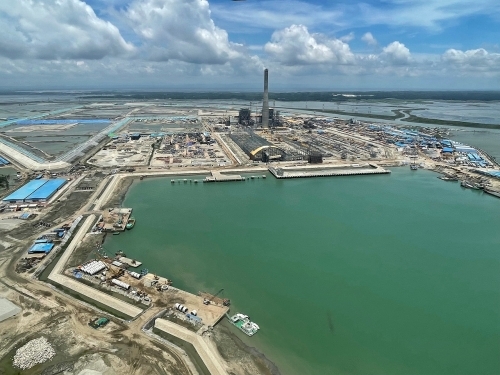 বড় জাহাজ মেরামতে মাতারবাড়ীতে ১ বিলিয়ন ডলারের প্রকল্প
 মাতারবাড়ীতে প্রায় ১ বিলিয়ন মার্কিন ডলার ব্যয়ে পরিবেশবান্ধব ডকইয়ার্ড ও জাহাজ নির্মাণ কেন্দ্র স্থাপনের উদ্যোগে নীতিগত অনুমোদন দিয়েছে নৌপরিবহন মন্ত্রণালয়। এখন প্রকল্পটির কারিগরি ও আর্থিক মূল্যায়নের জন্য প্রস্তাবটি সরকারি-বেসরকারি অংশীদারত্ব (পিপিপি) কর্তৃপক্ষের কাছে পাঠানো হয়েছে। সম্পূর্ণ বেসরকারি অর্থায়নে সরকারি জমির মালিকানা অক্ষুণ্ন রেখে প্রকল্পটি বাস্তবায়নের পরিকল্পনা রয়েছে। বন্দর কর্তৃপক্ষ জানায়, […]
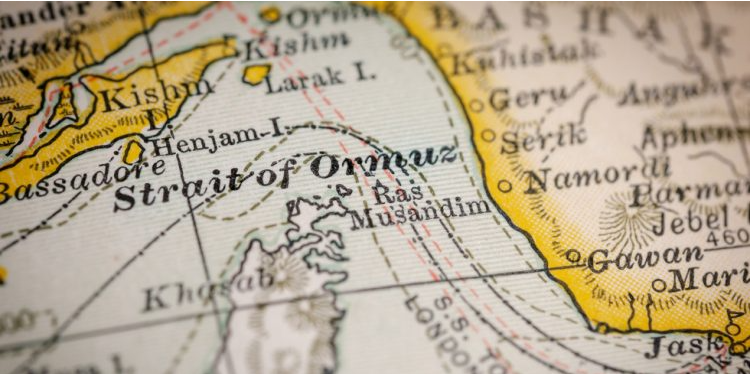 Industry on alert over scam messages offering ships “safe passage” on Hormuz
 Credit: Shutterstock Fraudulent messages offering safe passage through the Strait of Hormuz in exchange for cryptocurrency have been circulated to shipping companies with vessels stranded west of the waterway, according to MARISKS. In an alert issued on 20 April, MARISKS cautioned that unknown actors posing as Iranian authorities had contacted […]



JOB SITES
CONTENTS
LINKS
Happy New Year

Découvrez les avantages de MadCasino
Dans le monde des casinos en ligne, MadCasino se distingue par ses offres attrayantes et ses services de qualité. Que vous soyez un joueur débutant ou un parieur aguerri, vous trouverez ici une variété de jeux qui sauront satisfaire toutes vos envies. Les machines à sous, les jeux de table et les options de paris en direct sont tous disponibles pour vous offrir une expérience de jeu inégalée. De plus, le casino propose régulièrement des bonus qui permettent d'augmenter vos chances de gagner, vous offrant ainsi une excellente opportunité de maximiser vos gains.
En matière de sécurité, MadCasino est un nom de confiance. Il est entièrement licencié et régulé, ce qui garantit un environnement de jeu sûr et équitable. Les joueurs peuvent se concentrer sur leur expérience de jeu sans se soucier des problèmes de sécurité. Les transactions financières sont également sécurisées grâce à des technologies de pointe.
Les jeux proposés par MadCasino sont issus des développeurs les plus réputés de l'industrie, vous assurant des graphismes époustouflants et des mécaniques de jeu innovantes. Les joueurs peuvent également profiter d'une expérience de jeu en direct qui simule l'atmosphère d'un casino terrestre, tout en restant dans le confort de leur maison.
Enfin, la plateforme de MadCasino est optimisée pour les appareils mobiles, permettant aux joueurs de parier à tout moment et de n'importe où. Que vous soyez sur votre smartphone ou votre tablette, l'accès à vos jeux préférés n'a jamais été aussi simple. Ne manquez pas l'opportunité de découvrir ce casino exceptionnel.
Les offres de Cresus Casino
Cresus Casino est un autre acteur majeur dans le domaine des jeux en ligne, offrant des promotions généreuses et une vaste sélection de jeux. Les joueurs peuvent profiter d'une expérience de jeu enrichissante grâce aux nombreux bonus disponibles, qui sont conçus pour attirer tant les nouveaux utilisateurs que les joueurs réguliers. Ces avantages permettent non seulement de prolonger votre temps de jeu, mais aussi d'augmenter vos chances de gains conséquents.
Le casino se distingue également par sa ludothèque impressionnante, comprenant une sélection variée de machines à sous, de jeux de table et de jeux en direct. Les clients peuvent choisir parmi des titres populaires et appréciés, ainsi que des nouveautés qui enrichissent constamment l'offre. L'interface utilisateur est conviviale, rendant la navigation sur la plateforme fluide et agréable.
En termes de sécurité, Cresus Casino assure à ses joueurs un environnement de jeu fiable. La plateforme utilise des protocoles de sécurité avancés pour protéger les données personnelles et financières des utilisateurs. Cela permet aux joueurs de se sentir en sécurité tout en jouant à leurs jeux préférés.
Avec un service client réactif et professionnel, Cresus Casino s'assure que toutes vos questions et préoccupations sont traitées rapidement. Que ce soit pour des questions concernant les bonus, les retraits ou les jeux, vous bénéficierez d'une assistance rapide et efficace.
Explorez Nine Casino et ses avantages
Dans l'univers des casinos en ligne, Nine Casino a su se faire une place de choix grâce à son approche innovante et à ses nombreux avantages pour les joueurs. Les utilisateurs peuvent s'attendre à une expérience de jeu enrichissante, avec des bonus attractifs qui sont régulièrement mis à jour. Ces offres sont une excellente façon de découvrir de nouveaux jeux tout en maximisant votre potentiel de gain.
La plateforme de Nine Casino est riche en options de jeux, allant des machines à sous aux jeux de table, en passant par le live casino. Chaque jeu est conçu pour offrir une expérience immersive grâce à des graphismes de haute qualité et des fonctionnalités innovantes. Les parieurs peuvent profiter de sessions de jeu captivantes, comme s'ils étaient dans un véritable casino.
La sécurité est une priorité pour Nine Casino, qui utilise des technologies de cryptage avancées pour protéger les informations de ses joueurs. Cela garantit un environnement de jeu sûr et fiable, permettant aux utilisateurs de se concentrer sur ce qu'ils aiment le plus : jouer.
Enfin, le service clientèle fourni par Nine Casino est exceptionnel, avec des agents disponibles pour répondre à toutes vos questions et résoudre vos problèmes. Vous pourrez ainsi jouer en toute tranquillité, sachant que votre satisfaction est au cœur de leurs préoccupations.
Profitez de l'expérience Lucky31
Lucky31 est un casino en ligne qui se distingue par son approche orientée vers le joueur, offrant une multitude d'options de jeux et des bonus généreux. Que vous soyez amateur de machines à sous ou passionné de jeux de table, vous trouverez une large sélection pour satisfaire toutes vos envies de jeu. Les promotions fréquentes permettent aux joueurs de prolonger leur expérience tout en augmentant leurs chances de gains.
La convivialité de la plateforme de Lucky31 est l'un de ses plus grands atouts. Les joueurs peuvent naviguer facilement entre les différents jeux, et l'interface est conçue pour être intuitive, quel que soit le niveau d'expérience de l'utilisateur. De plus, le casino est entièrement optimisé pour les appareils mobiles, ce qui permet de parier où que vous soyez.
En matière de sécurité, Lucky31 prend les préoccupations des joueurs très au sérieux. Le casino est agréé et régulé, garantissant un environnement de jeu équitable et sécurisé. Les joueurs peuvent ainsi se concentrer sur leur expérience de jeu sans se soucier des risques liés à la sécurité.
Pour ceux qui recherchent un support client efficace, Lucky31 offre un service réactif et professionnel. Que ce soit pour des questions sur les bonus, les jeux ou les paiements, vous aurez accès à une assistance de qualité, vous garantissant une expérience de jeu fluide et agréable.