search the site


Do you know the different types of marine spills?

ITOPF has published the 2025/26 edition of its Handbook, providing information on the different types of pollutants encountered at sea and the challenges, impacts, and response options associated with each.
Marine spills can involve a wide variety of substances beyond oil, including vegetable oils, chemicals, bulk cargoes, and plastics, each behaving differently in the marine environment and posing distinct risks. In its latest Handbook, ITOPF outlines the main categories of pollutants, their effects, and the approaches typically taken to manage them.
Vegetable oils
The carriage of vegetable oils, such as palm, canola and soybean oil, has increased in recent years. Although less toxic than hydrocarbon oils, spills of vegetable oils in the marine environment can prove problematic, nonetheless. In general, vegetable oils will behave similarly to hydrocarbon oils in the initial stage of a spill, in that they tend to float and spread on the surface of the water. However, vegetable oils are not very soluble in water; they do not undergo dispersion in the water column nor will they evaporate to any extent. Depending on their particular characteristics, they may form solid lumps or polymerise into floating rubbery strings.
Vegetable oils are comprised primarily of triacylglycerols or fatty acids and in their fresh state may be broken down by marine micro-organisms. This decomposition contributes to the rancid odours typical of these spills.
The primary environmental consequences of spills of vegetable oils are seen in relation to surface dwelling organisms where oil can lead to smothering, suffocation and starvation. Examples include oiling of bird plumage and animal fur, or oxygen depletion and asphyxiation.
The most appropriate response technique for vegetable oil spills is containment and recovery, such as using conventional booms combined with scoops, nets or grabs. Ideally, the floating lumps should be removed before they have chance to fragment, incorporate sediment and sink to the seabed or reach the shoreline. Dispersants formulated for use on hydrocarbon oils have been shown to have little or no effect on vegetable oils.
Chemicals
Spills of chemicals are less frequent than spills of oil. However, due to the wide variety of chemicals transported, their differing properties and fate in the marine environment, as well as potential effects on human health and safety, they can often prove to be a more complex challenge.
Chemicals can be categorised in a number of ways, for example whether they are a solid, liquid or gas when transported or spilled; whether they exhibit one or more of five hazards: flammable, explosive, toxic, corrosive or reactive; and whether they sink, dissolve, float or evaporate in water (or a combination of these processes), as illustrated above.
The effects of a spilled chemical will depend on a number of factors such as its toxicity, the quantities involved and the resulting concentrations in the environment. Even sub-lethal concentrations of hazardous chemicals can lead to long term impacts within the marine environment. For example, chemically-induced stress can reduce the overall ability of an organism to reproduce, grow, feed or otherwise function normally.
Some substances can persist for long periods in the marine environment once lost to sea, including heavy metals and some organic compounds. This can result in bio-accumulation, whereby the chemical builds up in tissue at a faster rate than it can be broken down. Sessile marine species that filter seawater for food, such as bivalve molluscs, are particularly vulnerable to this effect. Subsequent bio-magnification may also occur if the chemicals travel up the food chain and ultimately to humans.

The potential consequences of spills of hazardous chemicals mean that effective response planning is crucial. A response should be mounted only once a thorough safety assessment of the situation has been completed. A number of different models are available to predict how a substance will behave and its likely trajectory, as well as assessing fire, explosion and toxicity risks.
Response options for many chemicals are limited and monitoring, without necessarily undertaking an active response, must always be considered. If a response is required, responders should wear appropriate personal protective equipment (PPE). For gases and evaporators, techniques available include “knocking down” the vapour cloud or trying to stop or deflect it using water sprays. For dissolvers, acceleration of the natural processes of dispersion and dilution may be possible. Containment and recovery may be an option for some floating chemicals, depending on their flammability, whilst mechanical dredgers and pump/vacuum systems might be used to recover chemicals that have sunk to the seabed.
For all types of chemical spill, maintaining adequate health and safety for vessel crew, responders and the public is key. In a major casualty, the presence of spilled hazardous chemicals can affect the cleanup of spilled oil, requiring detailed risk assessments for all involved.
Coal
Although fairly infrequent, coal spills recently attended by ITOPF have typically occurred in sensitive tropical regions where reefs and fisheries are present. Common problems with large spills of coal include smothering and abrasion. The coal may sink, blocking light to seabed flora and fauna and restricting water circulation. Any fixed or slow moving benthic organisms, including corals, may be crushed or trapped and have limited access to food sources, potentially causing mortality. Negative impacts are exacerbated by high wave energy which can throw coal repeatedly against shoreline substrates causing physical damage through abrasion.
Small particles of coal (or fines) may remain suspended in the water column for some time and in calm waters coal ‘clouds’ can block light and reduce the photosynthetic ability of organisms. Mobile organisms will move to better light sources, but fixed organisms are vulnerable to starvation, with corals particularly at risk. Fines released close to mariculture facilities or water intakes can clog pumping equipment or affect stock.
The removal of large amounts of stranded coal can present logistical challenges in remote environments; manual recovery is usually required rather than reliance on mechanical resources due to access or availability issues. Furthermore, coal may become buried by subsequent tides and become difficult to remove, particularly in dynamic environments.
Storage of recovered coal should be managed with care. An awareness of the potential for self-combustion of stored coal is important. In areas of high rainfall, leachate should be managed to prevent contamination through runoff.
The above issues, particularly smothering, can apply equally to spills of other types of dry bulk cargoes, for example, iron and nickel ores, fertilisers, sulphur and cement.
Perishable & livestock cargoes
The loss of cargoes, such as foodstuffs and livestock, bring their own set of variables and challenges. Rotting or decomposing organic materials, for example, grain, thawing fish or rotting carcasses, can result in the generation of hydrogen sulphide gas which is particularly hazardous when allowed to accumulate in confined spaces as it is highly toxic and flammable.
Container ship losses
Container ship incidents are an area of increasing concern, not least the consequential loss of plastics into the marine environment. The recovery of containers is challenging in itself, but for breached containers, the sheer amount and variety of materials to recover – from packaged chemicals and foodstuffs to home electronics and textiles – often requires a lengthy response.
An understanding of the integrity of the container and the packaged contents inside may provide an indication of whether the containers are likely to remain intact, float or sink if lost overboard. The response actions, as with oil, will depend on the specific properties and characteristics of the materials in question. Larger floating solids can be corralled from boats using nets and then recovered using grabs. Sunken materials may require dive surveys, dredges or crane grabs.
Incidents can become particularly complex when non-oil cargoes mix with spilled oil. This can make the identification of hazardous materials amongst other cargoes more difficult and present challenges for the segregation of waste for disposal.
According to the World Shipping Council’s annual Containers Lost at Sea report, 576 containers were lost at sea in 2024.
Plastic pellets
A recent challenge for the shipping industry is the growing problem of plastic pellet spills.
Plastic pellets, also known as nurdles, are typically the size of a lentil and the building blocks for the manufacture of plastic goods. They are highly durable and are now found ubiquitously in the marine environment. Although considered inert in their original form, plastic pellets have the potential to be damaging to wildlife if ingested, through direct physical impacts or indirectly via the carriage of persistent organic pollutants.
Losses occur throughout the production and supply chain, with chronic losses typically stemming from land-based sources, while acute losses are the result of sudden, large-scale events, such as the accidental release of containers overboard during shipping incidents.
When released to sea, plastic pellets can spread over vast distances, and are extremely challenging to locate and remove. An early priority is to determine the source(s) of the pellets and, if possible, prevent further releases. The feasibility of mounting an at-sea response largely depends on whether the pellets remain in their packaging or become loose. If they stay intact, then response efforts at sea generally focus on source control, tracking, tracing and recovering the containers and/or packages. Once loose, pellets start to spread widely, in most circumstances the best course of action is to leave them to come ashore. In a port area or other situation where natural geography or artificial infrastructure limits their spread, then containment with booms and recovery with nets may be viable.

For shoreline clean-up, a rapid response, prioritising any stranded intact bags or the highest accumulations of pellets, is essential. The aim in the early stage of clean-up is to minimise the opportunity for pellets to remobilise or become buried by tidally transported sediments. Clean-up activities should be undertaken alongside continuous surveys and dynamic prioritisation.
Many of the plastic pellet response operations to date have relied heavily on low technology, manual recovery techniques, such as using shovels and buckets in conjunction with sieves or hand trommels. This is often the most effective clean-up option, as it is selective and reduces the amount of unpolluted material recovered. However, it is also labour intensive, involving sometimes hundreds of people over a wide geographic area for a protracted period. Means of mechanical recovery of plastic pellets are currently limited. They often involve adapting off-the-shelf tools and technology designed for oil spill response, such as vacuum systems, flushing or flooding systems, or heavy machinery. Due to lower selectivity, a secondary phase of separation may be necessary to avoid generating excessive volumes of waste.
Endpoints can be difficult to establish in plastic pellet cases, particularly in polluted areas. Comparing the level of residual contamination to background levels of plastic pollution (and the expectation of chronic strandings of pellets) is key to determining the appropriate level of clean-up work to be undertaken. Continuing labour-intensive shoreline cleaning operations to selectively remove small amounts of incident-related plastic pellets is likely to be unreasonable if the background level of plastic debris is high. Suitable endpoints should be agreed by all parties involved.
On a regulatory level, in April 2025, the Council of the EU and the European Parliament reached a provisional agreement on new regulations aimed at reducing plastic pellet losses.
source : safety4sea
Featured Post
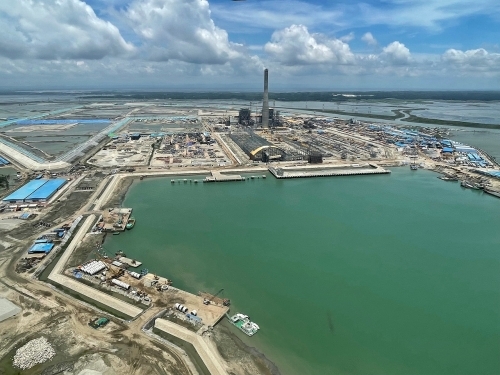 বড় জাহাজ মেরামতে মাতারবাড়ীতে ১ বিলিয়ন ডলারের প্রকল্প
 মাতারবাড়ীতে প্রায় ১ বিলিয়ন মার্কিন ডলার ব্যয়ে পরিবেশবান্ধব ডকইয়ার্ড ও জাহাজ নির্মাণ কেন্দ্র স্থাপনের উদ্যোগে নীতিগত অনুমোদন দিয়েছে নৌপরিবহন মন্ত্রণালয়। এখন প্রকল্পটির কারিগরি ও আর্থিক মূল্যায়নের জন্য প্রস্তাবটি সরকারি-বেসরকারি অংশীদারত্ব (পিপিপি) কর্তৃপক্ষের কাছে পাঠানো হয়েছে। সম্পূর্ণ বেসরকারি অর্থায়নে সরকারি জমির মালিকানা অক্ষুণ্ন রেখে প্রকল্পটি বাস্তবায়নের পরিকল্পনা রয়েছে। বন্দর কর্তৃপক্ষ জানায়, […]
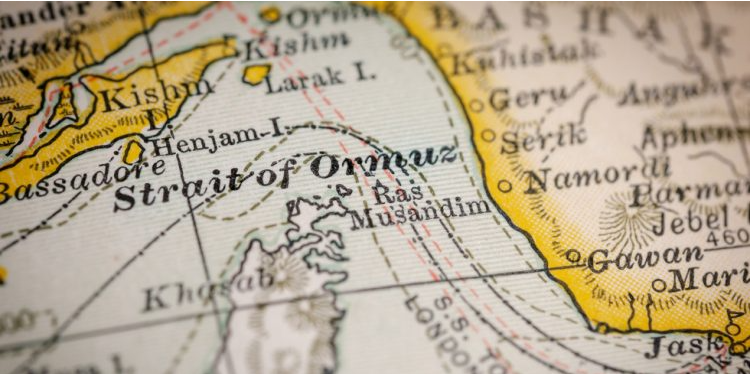 Industry on alert over scam messages offering ships “safe passage” on Hormuz
 Credit: Shutterstock Fraudulent messages offering safe passage through the Strait of Hormuz in exchange for cryptocurrency have been circulated to shipping companies with vessels stranded west of the waterway, according to MARISKS. In an alert issued on 20 April, MARISKS cautioned that unknown actors posing as Iranian authorities had contacted […]



JOB SITES
CONTENTS
LINKS
Happy New Year

Découvrez les avantages de MadCasino
Dans le monde des casinos en ligne, MadCasino se distingue par ses offres attrayantes et ses services de qualité. Que vous soyez un joueur débutant ou un parieur aguerri, vous trouverez ici une variété de jeux qui sauront satisfaire toutes vos envies. Les machines à sous, les jeux de table et les options de paris en direct sont tous disponibles pour vous offrir une expérience de jeu inégalée. De plus, le casino propose régulièrement des bonus qui permettent d'augmenter vos chances de gagner, vous offrant ainsi une excellente opportunité de maximiser vos gains.
En matière de sécurité, MadCasino est un nom de confiance. Il est entièrement licencié et régulé, ce qui garantit un environnement de jeu sûr et équitable. Les joueurs peuvent se concentrer sur leur expérience de jeu sans se soucier des problèmes de sécurité. Les transactions financières sont également sécurisées grâce à des technologies de pointe.
Les jeux proposés par MadCasino sont issus des développeurs les plus réputés de l'industrie, vous assurant des graphismes époustouflants et des mécaniques de jeu innovantes. Les joueurs peuvent également profiter d'une expérience de jeu en direct qui simule l'atmosphère d'un casino terrestre, tout en restant dans le confort de leur maison.
Enfin, la plateforme de MadCasino est optimisée pour les appareils mobiles, permettant aux joueurs de parier à tout moment et de n'importe où. Que vous soyez sur votre smartphone ou votre tablette, l'accès à vos jeux préférés n'a jamais été aussi simple. Ne manquez pas l'opportunité de découvrir ce casino exceptionnel.
Les offres de Cresus Casino
Cresus Casino est un autre acteur majeur dans le domaine des jeux en ligne, offrant des promotions généreuses et une vaste sélection de jeux. Les joueurs peuvent profiter d'une expérience de jeu enrichissante grâce aux nombreux bonus disponibles, qui sont conçus pour attirer tant les nouveaux utilisateurs que les joueurs réguliers. Ces avantages permettent non seulement de prolonger votre temps de jeu, mais aussi d'augmenter vos chances de gains conséquents.
Le casino se distingue également par sa ludothèque impressionnante, comprenant une sélection variée de machines à sous, de jeux de table et de jeux en direct. Les clients peuvent choisir parmi des titres populaires et appréciés, ainsi que des nouveautés qui enrichissent constamment l'offre. L'interface utilisateur est conviviale, rendant la navigation sur la plateforme fluide et agréable.
En termes de sécurité, Cresus Casino assure à ses joueurs un environnement de jeu fiable. La plateforme utilise des protocoles de sécurité avancés pour protéger les données personnelles et financières des utilisateurs. Cela permet aux joueurs de se sentir en sécurité tout en jouant à leurs jeux préférés.
Avec un service client réactif et professionnel, Cresus Casino s'assure que toutes vos questions et préoccupations sont traitées rapidement. Que ce soit pour des questions concernant les bonus, les retraits ou les jeux, vous bénéficierez d'une assistance rapide et efficace.
Explorez Nine Casino et ses avantages
Dans l'univers des casinos en ligne, Nine Casino a su se faire une place de choix grâce à son approche innovante et à ses nombreux avantages pour les joueurs. Les utilisateurs peuvent s'attendre à une expérience de jeu enrichissante, avec des bonus attractifs qui sont régulièrement mis à jour. Ces offres sont une excellente façon de découvrir de nouveaux jeux tout en maximisant votre potentiel de gain.
La plateforme de Nine Casino est riche en options de jeux, allant des machines à sous aux jeux de table, en passant par le live casino. Chaque jeu est conçu pour offrir une expérience immersive grâce à des graphismes de haute qualité et des fonctionnalités innovantes. Les parieurs peuvent profiter de sessions de jeu captivantes, comme s'ils étaient dans un véritable casino.
La sécurité est une priorité pour Nine Casino, qui utilise des technologies de cryptage avancées pour protéger les informations de ses joueurs. Cela garantit un environnement de jeu sûr et fiable, permettant aux utilisateurs de se concentrer sur ce qu'ils aiment le plus : jouer.
Enfin, le service clientèle fourni par Nine Casino est exceptionnel, avec des agents disponibles pour répondre à toutes vos questions et résoudre vos problèmes. Vous pourrez ainsi jouer en toute tranquillité, sachant que votre satisfaction est au cœur de leurs préoccupations.
Profitez de l'expérience Lucky31
Lucky31 est un casino en ligne qui se distingue par son approche orientée vers le joueur, offrant une multitude d'options de jeux et des bonus généreux. Que vous soyez amateur de machines à sous ou passionné de jeux de table, vous trouverez une large sélection pour satisfaire toutes vos envies de jeu. Les promotions fréquentes permettent aux joueurs de prolonger leur expérience tout en augmentant leurs chances de gains.
La convivialité de la plateforme de Lucky31 est l'un de ses plus grands atouts. Les joueurs peuvent naviguer facilement entre les différents jeux, et l'interface est conçue pour être intuitive, quel que soit le niveau d'expérience de l'utilisateur. De plus, le casino est entièrement optimisé pour les appareils mobiles, ce qui permet de parier où que vous soyez.
En matière de sécurité, Lucky31 prend les préoccupations des joueurs très au sérieux. Le casino est agréé et régulé, garantissant un environnement de jeu équitable et sécurisé. Les joueurs peuvent ainsi se concentrer sur leur expérience de jeu sans se soucier des risques liés à la sécurité.
Pour ceux qui recherchent un support client efficace, Lucky31 offre un service réactif et professionnel. Que ce soit pour des questions sur les bonus, les jeux ou les paiements, vous aurez accès à une assistance de qualité, vous garantissant une expérience de jeu fluide et agréable.