search the site


U.S.-India Maritime Futures: The Upper Limits of Security Burden-sharing in the Indian Ocean
By Nilanthi Samaranayake
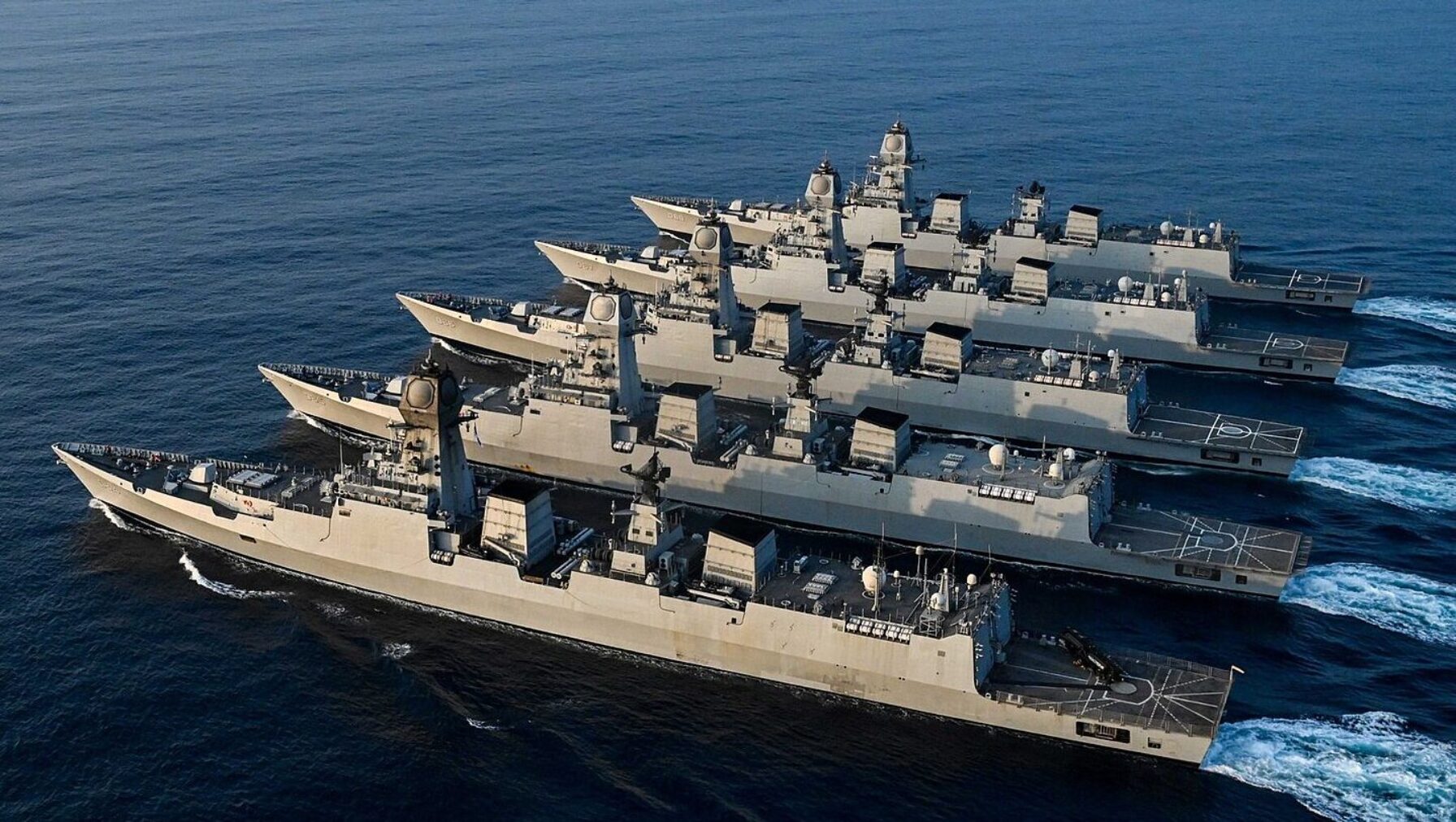
When viewing U.S. partnerships in the maritime domain, relations with India, in particular, have thrived—especially over the past decade. Moreover, the partnership enjoys bipartisan support in the United States. Indications after Prime Minister Narendra Modi’s visit to the White House in February 2025 are that U.S.-India security relations will continue to be strong in the second Trump administration.
The U.S. approach for roughly 25 years toward the wider Indo-Pacific has been to cultivate India as a critical, non-allied partner to serve as a counterweight to the rise of the People’s Republic of China. Security burden-sharing with India, from low-end maritime capacity-building in smaller Indian Ocean countries to high-end anti-submarine tracking of China, has been a long-term goal of deepening bilateral ties.
A logical extension of this military cooperation during peacetime would be seeking India’s support during a crisis involving China. At the upper limits of security burden-sharing, U.S. officials could request India’s assistance in combat along the lines of a treaty ally. Many experts believe such a request solely to assist the United States in a crisis against China would likely be rejected. Yet, there are many other options for advancing defense technological and operational cooperation in service of greater interoperability.
Another possible future, however, is one in which India as a rising Indo-Pacific and global power does not welcome the U.S. presence in the Indian Ocean, or even actively undermines U.S. interests. This less likely scenario at present is rarely discussed but should at a minimum be considered as a thought exercise, alongside other scenarios, as the Trump administration develops its strategy toward a critical Indian Ocean partner.
U.S. History in the Indian Ocean: Past as Prologue?
Although the United States does not have territory in the Indian Ocean, it historically has held clear interests in the region’s security. Due to distance and military requirements in Europe and East Asia, the United States adopted a different approach for the Indian Ocean in the Cold War era, relying on regional pillars of strength for stability and access. The UK was the main pillar for the United States in the region after World War II. Yet, the UK’s withdrawal of costly overseas basing in the late 1960s and early 1970s forced Washington to look for other regional pillars of strength. Recent decades have underscored two persistent, albeit not consistently articulated, U.S. strategic objectives for the Indian Ocean. First, ensuring the free flow of commerce along the sealanes has been a longstanding priority, given the large amount of hydrocarbon, container, and bulk cargo traffic that transit the region. In fact, President Jimmy Carter sought to rapidly boost the then minimal U.S. military presence in the Indian Ocean following proximate crises (the November 1979 capture of American hostages in Iran and the Soviet Union’s invasion of Afghanistan in December 1979) due to the importance of the Persian Gulf and its oil exports to the United States. In addition to the UK reducing its force posture due to economic reprioritization, such crisis developments—which entailed the failed Operation Eagle Claw hostage rescue attempt in 1980—served as catalysts for a new US security approach to the Indian Ocean. By 1983, another U.S. combatant command—Central Command (CENTCOM)—was established as well as Naval Forces Central Command (NAVCENT) in Bahrain.
Beyond ensuring the free flow of commerce, a second U.S. objective has been maintaining military basing and access in the Indian Ocean. The Gulf War in 1991 and the war in Afghanistan following the September 11, 2001, attacks, amid wider U.S. deployments to the Middle East, illustrated the American requirement to flow its military forces across the Indian Ocean when choosing to respond to crisis events. Of note, deterring Iran—a former regional security pillar for the United States—has been a related mission for CENTCOM, NAVCENT, and other component commands. Regarding Indian Ocean basing, the sovereignty battle between Mauritius and the UK over the Chagos Islands, where the Diego Garcia base resides, may be nearing a conclusion. President Donald Trump’s comments during UK Prime Minister Keir Starmer’s visit in February suggest that the administration could be onboard with the UK’s plan to resolve the dispute and preserve access to the base. Of note, reporting has indicated India’s support of the U.S. presence at the base and advocacyon behalf of Mauritius.
While the history of U.S.-India relations in the Indian Ocean is too broad a subject to survey here, it is worth acknowledging that—for better or worse—there have been times when both countries were on distinctly separate sides regarding U.S. security policies in the region. For example, the United States and India had opposing stances in 1971 over the independence of Bangladesh (formerly East Pakistan), which resulted in the still-controversial deployment of the USS Enterprise aircraft carrier task force. India supported the Soviet Union’s invasion of Afghanistan at the United Nations in 1980. Nearly a decade later, India was so concerned about U.S. naval access to Sri Lanka’s ports and a Voice of Americastation that references to Sri Lanka’s policies regarding port access and “foreign broadcasting organisations” were inserted into a peace accord’s exchange of letters from Indian Prime Minister Rajiv Gandhi to Sri Lankan President J.R. Jayewardene in 1987.
Episodes of U.S.-India divergence on security approaches are not limited to the Cold War era. For example, India was successful in persuading Maldives to reject a military Status of Forces Agreement proposed by the United States in 2013. Since the election of Prime Minister Modi in 2014, however, U.S.-India strategic and defense relations have expanded significantly. While some high-profile differences have emerged such as over U.S. sanctions policies on Russia in previous administrations, the bilateral security relationship has continued to soar and appears to still be growing in the new administration under President Trump. Nevertheless, it is worth considering potential futures. For example, Prime Minister Modi will turn 75 this year, and U.S.-India relations could shift after he leaves office. In particular, there is future uncertainty about what India’s stance might be toward U.S. initiatives and operations in the Indian Ocean—such as the type seen recently by CENTCOM’s strikes in Yemen against Iran-backed Houthis to defend freedom of navigation—and the risks associated with current policies that lay this foundation.
Going Forward: U.S. Strategy in the Indian Ocean
India was an important element of the first Trump administration’s regional strategies toward South Asia and the Indo-Pacific. Beyond security issues, immigration and trade look to be critical areas of both tension and cooperation at present. As the new Trump administration develops its strategy and policy, to what extent India will continue to serve as the U.S. regional security pillar in the Indian Ocean is a question that warrants significant attention within the U.S. government, even if to only confirm its existing views about the course of the bilateral relationship.
While the Trump-Modi meeting in February was very positive, with the two leaders issuing a fruitful joint statement, both countries carry risks by not identifying their expectations for each other. Going forward, any Indian Ocean strategy should identify U.S. objectives in this region and make explicit the assumptions that underpin these objectives. As part of the analysis, it is worth considering potential futures that India could pursue, including those that would be unfavorable to the United States.
After considerable U.S. contributions to India’s military and defense industrial base, one hypothetical scenario in a futures analysis could involve India taking a Monroe Doctrine-like approach to the Indian Ocean in which a U.S. presence is no longer as welcome. The past U.S. approach of relying on regional pillars in the Indian Ocean during the Cold War did not anticipate the threats to these pillars until it was too late. While much of the conversation on U.S.-India strategic ties has focused on whether Washington’s “India bet” will pay off, more specific questions are 1) how much support should the United States provide to India, and 2) at what potential costs? Essentially, what are the upper limits of U.S.-India security burden-sharing—for better, and for worse? While the past is no predictor of the future, considering the concepts of risk and unintended consequences in U.S. strategy toward the Indian Ocean will be critical for policymakers.
Finally, policymakers should consider how U.S. objectives in the Indian Ocean compare with those in other maritime regions under the new administration’s strategy abroad. Even by the end of the previous Trump administration, the rising importance of the Pacific-Atlantic-Arctic waters that surround the United States was becoming evident. For example, the Arctic region increasingly became a homeland defense priority among all the U.S. military services, while the waters of the Arctic and Atlantic received attention for strategic discussion about Greenland and the standup of U.S. Second Fleet in Norfolk. Furthermore, the U.S. Department of Defense continued its naval and maritime planning to not only deter China in the Western Pacific but also fight if required. The prioritization of homeland defense and the Western Pacific suggested the emergence of a third U.S. objective—preventing the Indian Ocean from becoming a priority amid greater requirements in the Arctic, Atlantic, and Pacific theaters.
Early indications are that the second Trump administration is intensifying its attention to the Western Hemisphere (e.g., Panama Canal, Greenland), homeland defense (e.g., border security, Golden Dome missile defense shield), and challenges posed by China. Nonetheless, identifying U.S. priorities within the Indian Ocean will be important to inform the administration’s development of a National Security Strategy, particularly if it continues to view the Indian and Pacific Oceans as forming one Indo-Pacific region as articulated in the 2017 National Security Strategy.
Looking back at the history of U.S. strategy toward the Indian Ocean, crisis events, economic reprioritization, and domestic political change have catalyzed new U.S. approaches to the region. The coming years present opportunities, but also challenges, for the second Trump administration as it develops its maritime strategy and policy toward this fast-moving region.
source : perryworldhouse
Featured Post
 বড় জাহাজ মেরামতে মাতারবাড়ীতে ১ বিলিয়ন ডলারের প্রকল্প
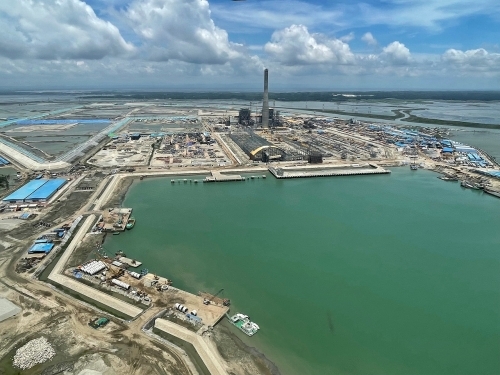
 মাতারবাড়ীতে প্রায় ১ বিলিয়ন মার্কিন ডলার ব্যয়ে পরিবেশবান্ধব ডকইয়ার্ড ও জাহাজ নির্মাণ কেন্দ্র স্থাপনের উদ্যোগে নীতিগত অনুমোদন দিয়েছে নৌপরিবহন মন্ত্রণালয়। এখন প্রকল্পটির কারিগরি ও আর্থিক মূল্যায়নের জন্য প্রস্তাবটি সরকারি-বেসরকারি অংশীদারত্ব (পিপিপি) কর্তৃপক্ষের কাছে পাঠানো হয়েছে। সম্পূর্ণ বেসরকারি অর্থায়নে সরকারি জমির মালিকানা অক্ষুণ্ন রেখে প্রকল্পটি বাস্তবায়নের পরিকল্পনা রয়েছে। বন্দর কর্তৃপক্ষ জানায়, […]
 Industry on alert over scam messages offering ships “safe passage” on Hormuz
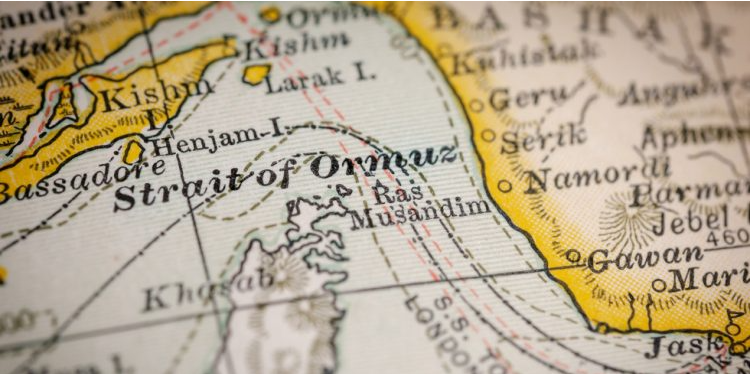
 Credit: Shutterstock Fraudulent messages offering safe passage through the Strait of Hormuz in exchange for cryptocurrency have been circulated to shipping companies with vessels stranded west of the waterway, according to MARISKS. In an alert issued on 20 April, MARISKS cautioned that unknown actors posing as Iranian authorities had contacted […]



JOB SITES
CONTENTS
LINKS
Happy New Year

Découvrez les avantages de MadCasino
Dans le monde des casinos en ligne, MadCasino se distingue par ses offres attrayantes et ses services de qualité. Que vous soyez un joueur débutant ou un parieur aguerri, vous trouverez ici une variété de jeux qui sauront satisfaire toutes vos envies. Les machines à sous, les jeux de table et les options de paris en direct sont tous disponibles pour vous offrir une expérience de jeu inégalée. De plus, le casino propose régulièrement des bonus qui permettent d'augmenter vos chances de gagner, vous offrant ainsi une excellente opportunité de maximiser vos gains.
En matière de sécurité, MadCasino est un nom de confiance. Il est entièrement licencié et régulé, ce qui garantit un environnement de jeu sûr et équitable. Les joueurs peuvent se concentrer sur leur expérience de jeu sans se soucier des problèmes de sécurité. Les transactions financières sont également sécurisées grâce à des technologies de pointe.
Les jeux proposés par MadCasino sont issus des développeurs les plus réputés de l'industrie, vous assurant des graphismes époustouflants et des mécaniques de jeu innovantes. Les joueurs peuvent également profiter d'une expérience de jeu en direct qui simule l'atmosphère d'un casino terrestre, tout en restant dans le confort de leur maison.
Enfin, la plateforme de MadCasino est optimisée pour les appareils mobiles, permettant aux joueurs de parier à tout moment et de n'importe où. Que vous soyez sur votre smartphone ou votre tablette, l'accès à vos jeux préférés n'a jamais été aussi simple. Ne manquez pas l'opportunité de découvrir ce casino exceptionnel.
Les offres de Cresus Casino
Cresus Casino est un autre acteur majeur dans le domaine des jeux en ligne, offrant des promotions généreuses et une vaste sélection de jeux. Les joueurs peuvent profiter d'une expérience de jeu enrichissante grâce aux nombreux bonus disponibles, qui sont conçus pour attirer tant les nouveaux utilisateurs que les joueurs réguliers. Ces avantages permettent non seulement de prolonger votre temps de jeu, mais aussi d'augmenter vos chances de gains conséquents.
Le casino se distingue également par sa ludothèque impressionnante, comprenant une sélection variée de machines à sous, de jeux de table et de jeux en direct. Les clients peuvent choisir parmi des titres populaires et appréciés, ainsi que des nouveautés qui enrichissent constamment l'offre. L'interface utilisateur est conviviale, rendant la navigation sur la plateforme fluide et agréable.
En termes de sécurité, Cresus Casino assure à ses joueurs un environnement de jeu fiable. La plateforme utilise des protocoles de sécurité avancés pour protéger les données personnelles et financières des utilisateurs. Cela permet aux joueurs de se sentir en sécurité tout en jouant à leurs jeux préférés.
Avec un service client réactif et professionnel, Cresus Casino s'assure que toutes vos questions et préoccupations sont traitées rapidement. Que ce soit pour des questions concernant les bonus, les retraits ou les jeux, vous bénéficierez d'une assistance rapide et efficace.
Explorez Nine Casino et ses avantages
Dans l'univers des casinos en ligne, Nine Casino a su se faire une place de choix grâce à son approche innovante et à ses nombreux avantages pour les joueurs. Les utilisateurs peuvent s'attendre à une expérience de jeu enrichissante, avec des bonus attractifs qui sont régulièrement mis à jour. Ces offres sont une excellente façon de découvrir de nouveaux jeux tout en maximisant votre potentiel de gain.
La plateforme de Nine Casino est riche en options de jeux, allant des machines à sous aux jeux de table, en passant par le live casino. Chaque jeu est conçu pour offrir une expérience immersive grâce à des graphismes de haute qualité et des fonctionnalités innovantes. Les parieurs peuvent profiter de sessions de jeu captivantes, comme s'ils étaient dans un véritable casino.
La sécurité est une priorité pour Nine Casino, qui utilise des technologies de cryptage avancées pour protéger les informations de ses joueurs. Cela garantit un environnement de jeu sûr et fiable, permettant aux utilisateurs de se concentrer sur ce qu'ils aiment le plus : jouer.
Enfin, le service clientèle fourni par Nine Casino est exceptionnel, avec des agents disponibles pour répondre à toutes vos questions et résoudre vos problèmes. Vous pourrez ainsi jouer en toute tranquillité, sachant que votre satisfaction est au cœur de leurs préoccupations.
Profitez de l'expérience Lucky31
Lucky31 est un casino en ligne qui se distingue par son approche orientée vers le joueur, offrant une multitude d'options de jeux et des bonus généreux. Que vous soyez amateur de machines à sous ou passionné de jeux de table, vous trouverez une large sélection pour satisfaire toutes vos envies de jeu. Les promotions fréquentes permettent aux joueurs de prolonger leur expérience tout en augmentant leurs chances de gains.
La convivialité de la plateforme de Lucky31 est l'un de ses plus grands atouts. Les joueurs peuvent naviguer facilement entre les différents jeux, et l'interface est conçue pour être intuitive, quel que soit le niveau d'expérience de l'utilisateur. De plus, le casino est entièrement optimisé pour les appareils mobiles, ce qui permet de parier où que vous soyez.
En matière de sécurité, Lucky31 prend les préoccupations des joueurs très au sérieux. Le casino est agréé et régulé, garantissant un environnement de jeu équitable et sécurisé. Les joueurs peuvent ainsi se concentrer sur leur expérience de jeu sans se soucier des risques liés à la sécurité.
Pour ceux qui recherchent un support client efficace, Lucky31 offre un service réactif et professionnel. Que ce soit pour des questions sur les bonus, les jeux ou les paiements, vous aurez accès à une assistance de qualité, vous garantissant une expérience de jeu fluide et agréable.