search the site


India’s Maritime Security Operations – What does India gain?
India’s Maritime Security Operations – What does India gain?
- AuthorTeam SPRF
Author: Varada Marathe
Introduction
Connecting the Far East countries to Europe, the Indian Ocean Region (IOR) is strategically crucial for global trade and connectivity, playing a pivotal role in shaping regional and international dynamics. Roughly 80% of the world’s maritime oil trade flows through the IOR (Ghosh, 2020). More than 60% of the $17.43 trillion worth of global merchandise exports recorded in 2017 consisted of seaborne trade, with nearly two-thirds of this volume passing through the Indian Ocean (Kapur, 2019). Recognizing the significance of maritime security in this domain is essential for ensuring economic prosperity, geopolitical stability, and the safeguarding of vital interests.
The Strait of Malacca, the Strait of Hormuz, and Bab el-Mandeb are a few of the strategically important maritime chokepoints situated in the IOR. Owing to its importance, the region is vulnerable to security threats such as piracy, terrorism, and territorial geopolitical disputes. Especially around the coast of Somalia, there have been numerous instances of pirates seizing commercial vessels and holding crews hostage for ransom. While the number of such instances has declined over the years (International Chamber of Commerce, 2023), it has not fully stopped. In recent months, the Indian Navy’s elite marine commandos, known as MARCOS, have executed multiple rescue operations to save the ships from pirates.
Maritime Security Challenges in the IOR
Due to its strategic significance, the Indian Ocean Region (IOR) is vulnerable to multiple security threats such as piracy, terrorism, smuggling and trafficking. The instances of piracy in the Gulf of Aden, Horn of Africa and Strait of Malacca are of great concern in the Indian Ocean. The piracy incidents can be attributed to the increasing demand for commodities and goods in the region. The pirates perceive the higher volume of ships navigating through the waterways as an opportunity to target vessels for valuable cargo. The intricate network of islands and water passages in the Strait of Malacca and the Strait of Singapore provide many hiding spots for pirates, complicating law enforcement efforts to catch hold of them (Crossley, 2023).
Maritime terrorism is another serious danger in the Indian Ocean. It is of utmost importance for coastal countries to secure their waters. The devastating terrorist attack in Mumbai in November 2008 underscored the grave risks associated with maritime insecurity. The 26/11 terror attacks continue to serve as a reminder of the potential vulnerabilities that arise when coastal waters are not protected adequately. Greenberg et al. (2006) and Zelencov et al. (2022) identified two primary targets for maritime terrorism: commercial vessels such as supertankers and container ships and passenger ships. Targeting supertankers allows terrorists to achieve their higher objectives, including inflicting human and material harm, disrupting energy supply chains, and causing environmental pollution. The strategic Bab el-Mandeb strait, bordered by the Yemen and Somalia coasts, has been a hotspot for significant terrorist incidents, including the 2000 bombing of the US Navy destroyer Cole by al-Qaeda (FBI, n.d.) and the targeting of a French oil tanker in the Gulf of Aden, situated south of Bab el-Mandeb. As recently as in January 2024, Houthis attacked a British tanker in the Gulf of Aden by firing a missile. The fire was extinguished by the Indian Navy’s INS Visakhapatnam (Peri, 2024).
The 2008 report by the United Nations (UN) Secretary-General identifies illicit trafficking in Narcotic Drugs and Psychotropic Substances (NDPS) as one of seven threats to maritime security (UNGA, 2008). The Indian Maritime Doctrine (2009) acknowledges the Indian Ocean Region (IOR) as a hub for narcoterrorism, smuggling, gunrunning, and related crimes. The Indian Ocean is witnessing a rise in maritime narcotics trafficking, posing a major security threat to India and neighbouring nations. The primary conduit for this illegal trade route is the Afghanistan-Pakistan corridor, significantly impacting maritime security in the Western Indian Ocean. The Smuggling in India (2021) report suggested that due to its long coastline and ports, India is “sensitive to drug trafficking through maritime routes”. The report indicates a significant rise in heroin seizures in the Arabian Sea during 2020-21, with major instances in India involving cargo from Afghanistan. Three foreign boats carrying arms, ammunition and narcotics were intercepted off the Lakshadweep coast in 2021 (The Economic Times, 2021). It suggests a connection between drug trafficking and funding anti-national activities, emphasising the threat of narcoterrorism to national security.
These maritime security challenges in the IOR present a multifaceted and complex landscape that demands immediate attention and concerted efforts. The issues of piracy, maritime terrorism, and trafficking not only jeopardise the safety of maritime trade routes, but also pose significant risks to regional stability. The interconnected nature of these challenges underscores the necessity for collaborative approaches among nations, maritime agencies, and international organisations. Addressing these issues is crucial not only for safeguarding the interests of maritime stakeholders but also for ensuring the safety and security of coastal communities. By enhancing maritime security measures, fostering cooperation, and implementing effective strategies, nations can mitigate risks, promote stability, and uphold the principles of safety and freedom of navigation in the IOR. The Maritime Anti-Piracy Act (2022) by the Indian government gives discretionary powers to its security personnel to board a ship upon suspicion of piracy at sea and to detain individuals or confiscate both the pirate vessel and any associated property found aboard.
Indian Navy’s Counter Piracy Operations – Rescuing Vessels of Other Countries
IAF and Indian Navy Save Bulgarian Ship
The Indian Air Force (IAF) and the Indian Navy collaboratively conducted a successful rescue operation under Operation Sankalp (Diplomacy and Beyond, 2024). Utilising an IAF C-17 aircraft, two Combat Rubberised Raiding Craft (CRRC) boats were precision-dropped into the Arabian Sea, accompanied by Indian Navy Marine Commandos (MARCOS), to support anti-piracy efforts. The operation aimed to rescue the crew of the bulk carrier vessel MV Ruen, hijacked by Somali pirates near Yemen’s Socotra Island. Flying for nearly 10 hours over 2600 kilometres off the Indian Coast, the mission involved seamless coordination between the Indian Navy and the IAF, resulting in the safe recovery of all 17 crew members.
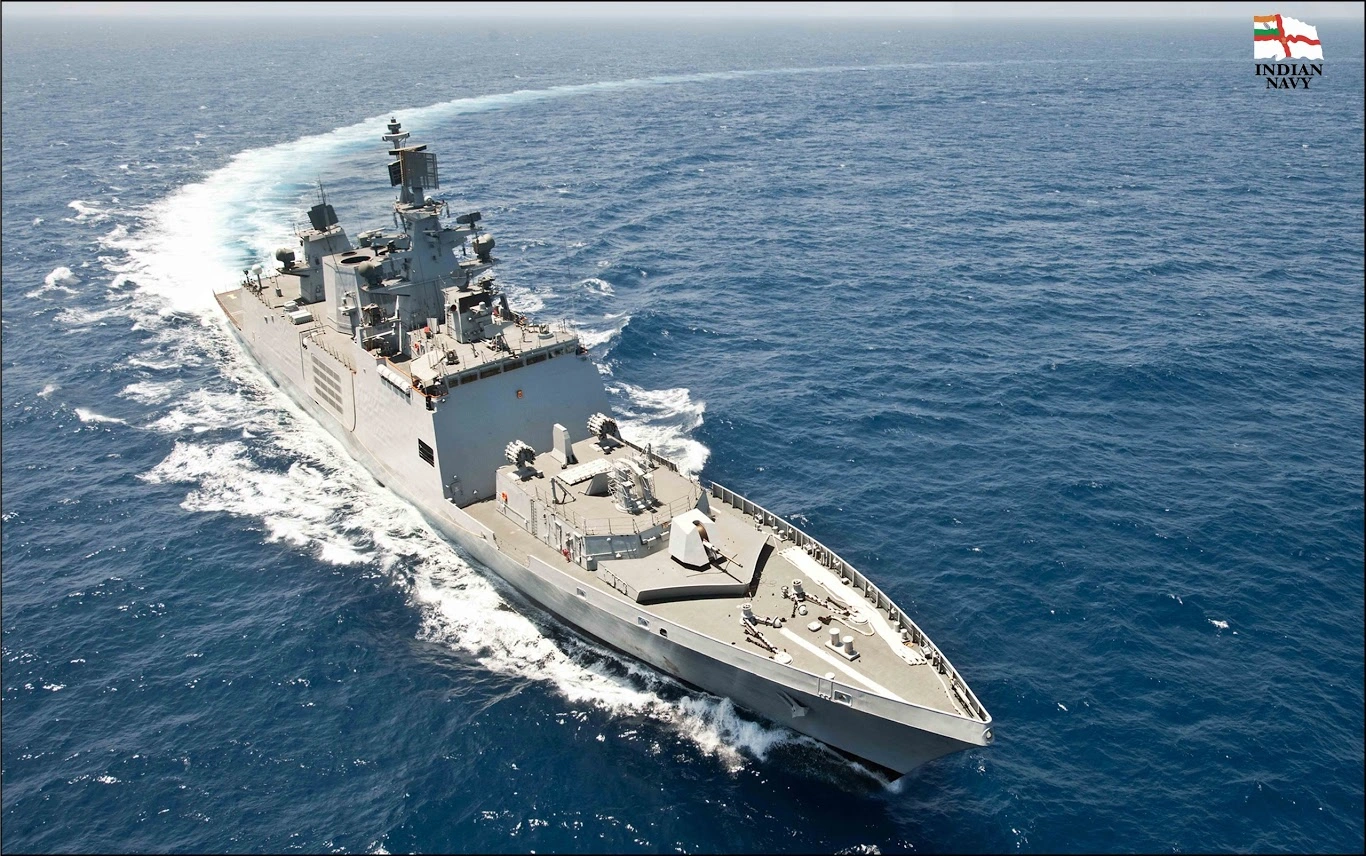
The Indian Navy’s INS Kolkata, stationed in the Arabian Sea, played a pivotal role in thwarting the Somali pirates’ attempts to hijack ships transiting through the region. Intercepting the pirate ship MV Ruen on March 16, the warship faced hostile fire but responded with minimal force necessary to neutralise the threat. Through concerted efforts over 40 hours, all 35 pirates were coerced to surrender, ensuring the safe evacuation of the crew.
The MV Ruen had been captured by Somali pirates in 2023, 380 nautical miles east of Yemen’s Socotra Island. The Indian Navy maintained surveillance on the vessel as the pirates held 17 crew members, including Bulgarian, Burmese, and Angolan nationals in Bossaso, Somalia. The successful rescue operation took place approximately 1400 nautical miles off the Indian Ocean coast, with no injuries reported among the crew. This intervention underscores the Indian Navy’s commitment to combating piracy in international waters as part of its ongoing anti-piracy efforts.
Indian Navy Saves Iranian Vessel
On March 29 2024, the Indian Navy successfully rescued 23 Pakistani nationals from Somali pirates during a 12-hour long operation in the Arabian Sea (Peri, 2024). The incident unfolded when Indian Navy warship INS Sumedha intercepted the hijacked Iranian vessel ‘FV A1-Kambar’ on March 29. Negotiations with the pirates after INS Trishul joined the operation led to their surrender, marking a significant victory against piracy and ensuring maritime security in the area.
Following the pirates’ surrender, Indian Naval specialists boarded the hijacked vessel to conduct extensive sanitization and seaworthiness inspections. Their aim was to ensure the safety of the ship before guiding it to a secure location, allowing its crew to resume fishing operations. On the same day, the Indian Navy diverted two naval ships to intercept the hijacked vessel while responding to a potential piracy threat on an Iranian fishing vessel in the Arabian Sea. The deployment of these ships was part of India’s efforts to maintain maritime security and combat piracy in the region.
During the incident, nine armed pirates had boarded the Iranian fishing vessel, located approximately 90 nautical miles southwest of Socotra. The hijacking took place on March 29, prompting the swift response of Indian naval forces. In an official statement, the Indian Navy reaffirmed its commitment to ensuring maritime security and the safety of seafarers, regardless of nationality. The Navy plans to bring the nine Somali pirates involved in the hijacking to India for further legal proceedings. Four such instances had already occurred earlier this year where the ships were hijacked by the Somali pirates and were rescued by the Indian Navy (Singh, 2024).
The successful rescue operations highlights the Indian Navy’s capability to respond effectively to maritime threats and underscores its commitment to combating piracy in international waters. It also reflects India’s dedication to upholding maritime security and fostering regional stability in the Arabian Sea and in the IOR in general. By swiftly neutralising the piracy threat and rescuing the hijacked vessel’s crew, the Indian Navy has demonstrated its professionalism and readiness to protect maritime interests.
India and Multinational Counter-Piracy Initiatives
Many countries have come together to start various initiatives to secure and protect the oceans that are tangible not just for connectivity and trade, but also for delivery of humanitarian aid (Al Jazeera, 2024). Operation Atlanta, Combined Maritime Forces, Operation Open Shield are few examples of such initiatives.
In 2008, the European Union Naval Force (EU-NAVFOR) initiated Operation Atlanta to safeguard the Somalia-bound vessels and shipments by World Food Programme (WFP) and African Union Mission in Somalia (AMISOM) from the pirates. The purpose of Operation Atlanta also included deterring armed robbery and piracy at sea, monitoring fishing activities in the Horn of Africa and in the Western IOR, combating drug trafficking, etc. (EUNAVFOR, n.d.). Responding to a request from Operation Atlanta, the Indian Navy began escorting a WFP vessel in December 2018, marking its inaugural escort mission in the region (Sinha, 2024).
Additionally, the Indian Navy actively participates in the Shared Awareness and Deconfliction (SHADE) forum and collaborates with other Task Forces and observers through the MERCURY Counter-Piracy Coordination tool of the EU NAVFOR Maritime Security Centre Horn of Africa (MSCHOA) (Ghosh, 2016). These efforts aim at tactically coordinating anti-piracy measures and ensuring maritime security in the region.
In October 2017, the EU Naval Force and the Indian Navy conducted their first naval Passage Exercise, or “PASSEX,” off the coast of Somalia (MEA, 2017). This exercise was in line with SAGAR, a doctrine emphasising maritime cooperation in the Indian Ocean region. In 2023, the EU joined the Indo-Pacific Oceans Initiative (IPOI), which is India’s effort to facilitate regional cooperation amongst India’s maritime neighbours (EU External Action, 2024).
Established in 2001, the Combined Maritime Forces (CMF) is another multinational maritime partnership which “exists to counter illicit non-state actors in the oceans, and to promote security and stability in the 3.2 million square miles of the international waters”. In 2022, India joined the CMF as an associate partner (Peri, 2022), and in 2023, India’s status was elevated to full membership of the Combined Maritime Forces (PIB, 2023). In January 2024, the US invited India to join the Operation Prosperity Guardian – a multinational coalition to counter threats by Yemen’s Houthi militants in the Red Sea. However, just like France and Italy, India opted to maintain its own naval presence in the region rather than join a US-led maritime coalition to address the Houthi attacks. Experts speculate that India might be wary of a potential escalation in hostilities following the US naval counterattack (Mattoo, 2024).
India’s participation in multinational counter-piracy initiatives reflects its commitment to global maritime security cooperation. The Indian Navy’s collaboration with Operation Atlanta, Combined Maritime Forces (CMF), and other forums demonstrates its willingness to engage with international partners to address common maritime challenges. The PASSEX between the EU Naval Force and the Indian Navy, as well as India’s elevation to full membership in the CMF, signifies enhanced strategic alignment with regional and global partners. However, India’s decision to maintain its separate naval presence in the region, instead of joining a US-led maritime coalition to combat Houthi attacks, suggests a nuanced approach to strategic engagements. While this decision reflects concerns about potential escalation, it also underscores India’s preference for maintaining strategic independence while contributing to collective security efforts. Overall, India’s active participation in multinational initiatives and strategic partnerships contributes to enhancing maritime security and stability in the Indian Ocean region and beyond.
Diplomatic and Economic Implications of Maritime Dominance
Diplomatic Leverage
India’s maritime capabilities offer significant diplomatic leverage and enhance its soft power on the global stage. As a key player in maritime security, India can effectively engage in diplomatic negotiations and alliances, leveraging its naval strength to advance its strategic interests. By demonstrating its commitment to upholding maritime security and freedom of navigation, India can foster stronger diplomatic ties with maritime nations, positioning itself as a reliable partner in promoting regional stability and cooperation.
For example, India and Oman share a longstanding maritime partnership, marked by biennial maritime exercises since 1993, called the Exercise Naseem Al Bahr (PIB, 2022). This enduring relationship has proven invaluable, with Oman playing a pivotal role in supporting India’s security initiatives in the Gulf of Aden. Notably, Oman provides essential berthing and replenishment facilities to Indian naval ships and hosts a crucial Indian listening post in the Western Indian Ocean, underscoring the depth of cooperation between the two nations in maintaining maritime security in the region (Singh, 2015).
Economic Significance
Sea Lines of Communication (SLOCs) is a term used for primary maritime routes between ports – used for trade and logistics and by naval forces. Maritime transportation handles about 80% of the total international trade volume (UNCTD, 2022). Hence, secure SLOCs are essential for India’s economic well-being, particularly in terms of trade and energy security. As a maritime nation heavily reliant on seaborne trade, India’s economy thrives on the uninterrupted flow of goods through these SLOCs. In the 1990s, over 90% of India’s international trade by volume and 77% by value moved by sea transport (Mukherjee, 2001). While the numbers must have changed to a certain extent today, it is still evident that maritime transportation is crucial for India. Any disruption or insecurity along these routes could significantly impact India’s trade and economic stability. Therefore, maintaining its maritime dominance ensures the security of vital trade routes, facilitating smooth commerce and contributing to India’s economic growth and prosperity.
Partnerships and Engagements
India actively engages with coastal states in the Indian Ocean region to bolster maritime security and cooperation. Through partnerships, joint exercises, and capacity-building initiatives, India collaborates with neighbouring countries to combat maritime threats such as piracy, terrorism, and illegal trafficking. By strengthening maritime capabilities and fostering mutual trust and cooperation, these partnerships contribute to enhanced maritime security and stability in the region. Additionally, India’s engagements with coastal states serve to promote economic development, resource sharing, and sustainable maritime practices, further solidifying its role as a responsible maritime power in the Indian Ocean Region.
Achieving maritime dominance is paramount for the Indian Navy as it not only ensures the protection of national interests and sovereignty but also bolsters India’s stature as a maritime power capable of safeguarding vital sea lanes and promoting regional stability in the Indian Ocean. In these times of global turmoil, such acts of assistance will pave the way for a true rules-based world order. When a country helps another country in times of need – either by way of welfare measures, financial aid, or military assistance, the relation between such nations is forged in steel. Not only does it strengthen existing partnerships, but also creates tremendous goodwill amongst the general populace of both the countries that transcends the current political scenarios and becomes the bedrock of all future partnerships between those countries.
Featured Post
 বড় জাহাজ মেরামতে মাতারবাড়ীতে ১ বিলিয়ন ডলারের প্রকল্প
 মাতারবাড়ীতে প্রায় ১ বিলিয়ন মার্কিন ডলার ব্যয়ে পরিবেশবান্ধব ডকইয়ার্ড ও জাহাজ নির্মাণ কেন্দ্র স্থাপনের উদ্যোগে নীতিগত অনুমোদন দিয়েছে নৌপরিবহন মন্ত্রণালয়। এখন প্রকল্পটির কারিগরি ও আর্থিক মূল্যায়নের জন্য প্রস্তাবটি সরকারি-বেসরকারি অংশীদারত্ব (পিপিপি) কর্তৃপক্ষের কাছে পাঠানো হয়েছে। সম্পূর্ণ বেসরকারি অর্থায়নে সরকারি জমির মালিকানা অক্ষুণ্ন রেখে প্রকল্পটি বাস্তবায়নের পরিকল্পনা রয়েছে। বন্দর কর্তৃপক্ষ জানায়, […]
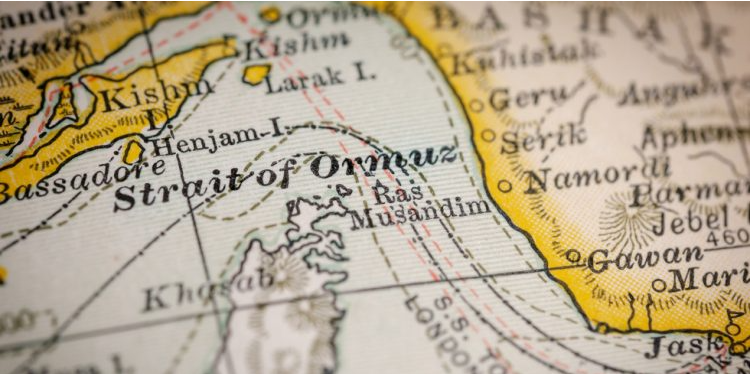 Industry on alert over scam messages offering ships “safe passage” on Hormuz
 Credit: Shutterstock Fraudulent messages offering safe passage through the Strait of Hormuz in exchange for cryptocurrency have been circulated to shipping companies with vessels stranded west of the waterway, according to MARISKS. In an alert issued on 20 April, MARISKS cautioned that unknown actors posing as Iranian authorities had contacted […]



JOB SITES
CONTENTS
LINKS
Happy New Year

Découvrez les avantages de MadCasino
Dans le monde des casinos en ligne, MadCasino se distingue par ses offres attrayantes et ses services de qualité. Que vous soyez un joueur débutant ou un parieur aguerri, vous trouverez ici une variété de jeux qui sauront satisfaire toutes vos envies. Les machines à sous, les jeux de table et les options de paris en direct sont tous disponibles pour vous offrir une expérience de jeu inégalée. De plus, le casino propose régulièrement des bonus qui permettent d'augmenter vos chances de gagner, vous offrant ainsi une excellente opportunité de maximiser vos gains.
En matière de sécurité, MadCasino est un nom de confiance. Il est entièrement licencié et régulé, ce qui garantit un environnement de jeu sûr et équitable. Les joueurs peuvent se concentrer sur leur expérience de jeu sans se soucier des problèmes de sécurité. Les transactions financières sont également sécurisées grâce à des technologies de pointe.
Les jeux proposés par MadCasino sont issus des développeurs les plus réputés de l'industrie, vous assurant des graphismes époustouflants et des mécaniques de jeu innovantes. Les joueurs peuvent également profiter d'une expérience de jeu en direct qui simule l'atmosphère d'un casino terrestre, tout en restant dans le confort de leur maison.
Enfin, la plateforme de MadCasino est optimisée pour les appareils mobiles, permettant aux joueurs de parier à tout moment et de n'importe où. Que vous soyez sur votre smartphone ou votre tablette, l'accès à vos jeux préférés n'a jamais été aussi simple. Ne manquez pas l'opportunité de découvrir ce casino exceptionnel.
Les offres de Cresus Casino
Cresus Casino est un autre acteur majeur dans le domaine des jeux en ligne, offrant des promotions généreuses et une vaste sélection de jeux. Les joueurs peuvent profiter d'une expérience de jeu enrichissante grâce aux nombreux bonus disponibles, qui sont conçus pour attirer tant les nouveaux utilisateurs que les joueurs réguliers. Ces avantages permettent non seulement de prolonger votre temps de jeu, mais aussi d'augmenter vos chances de gains conséquents.
Le casino se distingue également par sa ludothèque impressionnante, comprenant une sélection variée de machines à sous, de jeux de table et de jeux en direct. Les clients peuvent choisir parmi des titres populaires et appréciés, ainsi que des nouveautés qui enrichissent constamment l'offre. L'interface utilisateur est conviviale, rendant la navigation sur la plateforme fluide et agréable.
En termes de sécurité, Cresus Casino assure à ses joueurs un environnement de jeu fiable. La plateforme utilise des protocoles de sécurité avancés pour protéger les données personnelles et financières des utilisateurs. Cela permet aux joueurs de se sentir en sécurité tout en jouant à leurs jeux préférés.
Avec un service client réactif et professionnel, Cresus Casino s'assure que toutes vos questions et préoccupations sont traitées rapidement. Que ce soit pour des questions concernant les bonus, les retraits ou les jeux, vous bénéficierez d'une assistance rapide et efficace.
Explorez Nine Casino et ses avantages
Dans l'univers des casinos en ligne, Nine Casino a su se faire une place de choix grâce à son approche innovante et à ses nombreux avantages pour les joueurs. Les utilisateurs peuvent s'attendre à une expérience de jeu enrichissante, avec des bonus attractifs qui sont régulièrement mis à jour. Ces offres sont une excellente façon de découvrir de nouveaux jeux tout en maximisant votre potentiel de gain.
La plateforme de Nine Casino est riche en options de jeux, allant des machines à sous aux jeux de table, en passant par le live casino. Chaque jeu est conçu pour offrir une expérience immersive grâce à des graphismes de haute qualité et des fonctionnalités innovantes. Les parieurs peuvent profiter de sessions de jeu captivantes, comme s'ils étaient dans un véritable casino.
La sécurité est une priorité pour Nine Casino, qui utilise des technologies de cryptage avancées pour protéger les informations de ses joueurs. Cela garantit un environnement de jeu sûr et fiable, permettant aux utilisateurs de se concentrer sur ce qu'ils aiment le plus : jouer.
Enfin, le service clientèle fourni par Nine Casino est exceptionnel, avec des agents disponibles pour répondre à toutes vos questions et résoudre vos problèmes. Vous pourrez ainsi jouer en toute tranquillité, sachant que votre satisfaction est au cœur de leurs préoccupations.
Profitez de l'expérience Lucky31
Lucky31 est un casino en ligne qui se distingue par son approche orientée vers le joueur, offrant une multitude d'options de jeux et des bonus généreux. Que vous soyez amateur de machines à sous ou passionné de jeux de table, vous trouverez une large sélection pour satisfaire toutes vos envies de jeu. Les promotions fréquentes permettent aux joueurs de prolonger leur expérience tout en augmentant leurs chances de gains.
La convivialité de la plateforme de Lucky31 est l'un de ses plus grands atouts. Les joueurs peuvent naviguer facilement entre les différents jeux, et l'interface est conçue pour être intuitive, quel que soit le niveau d'expérience de l'utilisateur. De plus, le casino est entièrement optimisé pour les appareils mobiles, ce qui permet de parier où que vous soyez.
En matière de sécurité, Lucky31 prend les préoccupations des joueurs très au sérieux. Le casino est agréé et régulé, garantissant un environnement de jeu équitable et sécurisé. Les joueurs peuvent ainsi se concentrer sur leur expérience de jeu sans se soucier des risques liés à la sécurité.
Pour ceux qui recherchent un support client efficace, Lucky31 offre un service réactif et professionnel. Que ce soit pour des questions sur les bonus, les jeux ou les paiements, vous aurez accès à une assistance de qualité, vous garantissant une expérience de jeu fluide et agréable.