search the site


Toxic ships sail in on false papers
The Daily Star December 19, 2020
Toxic ships sail in on false papers
Provision that allows ship-owners to self-certify the waste is up for abuse; environment ministry just not equipped to check toxic materials at scrap-ship yards in Chattogram
 With serious questions hanging over the authorities’ verification systems, scrap ships like Portland are being dismantled along the Sitakunda beach, littering a vast area with materials that are allegedly highly hazardous to health and environment. Photo: Star
The ship-breaking industry in Chattogram remains extremely dirty and dangerous for workers and the environment. The top ship-recycling country in the world has failed to regulate the clandestine business effectively, for which frequent death, injury and pollution continue to be in the headlines. An investigation by Mostafa Yousuf of The Daily Star and Margot Gibbs of Finance Uncovered in the UK exposes how the weak regulatory system gets exploited for permission to scrap vessels containing asbestos and other hazardous materials.
In 2018, aged just 43, Mazidul Haque developed severe breathing problems, consulted a doctor and was diagnosed with asbestosis, a potentially fatal respiratory disease which scars the lungs. After more than a decade working in the shipbreaking yards of Chattogram, he lost his job, and the means to support his family.
“I’ve lost hope for life,” he said.
The disease is caused by prolonged exposure to asbestos, a material once prized for its insulating properties, but banned in many countries because it is deadly to those who inhale its fibres. Its use, however, remains legal in Bangladesh.
For most of his adult life, Mazidul had been working with asbestos in the shipbreaking yards. A typical merchant vessel might contain around 10 tonnes of the material, hidden away in places like the engine room and fuel lines.Mazidul wasn’t aware of the risks involved when he started work; he was given no training to work with the material, and wasn’t provided with equipment to prevent the fibres from entering his lungs.
Asbestos is rife in Sitakunda, where most of Bangladesh’s shipbreaking workers live and work. Furniture shops sell cheap “asbestos ovens” for as little as Tk 250 (£2.20), popular with low-wage workers.
The raw materials, say shopkeepers, are supplied by the shipbreaking yards.
The powerful shipbreaking industry, which generates around half of Bangladesh’s raw steel supply, is frequently shamed in the international media for its devastating impact on workers’ lives and the environment.
But nearly a decade after the government was forced by the Supreme Court to introduce rules to protect workers like Mazidul, an investigation from The Daily Star and Finance Uncovered, a UK journalism organisation, suggests that a major part of the regulatory system is a sham.
These rules banned the import of vessels for scrap containing a range of hazardous materials including asbestos. And they demanded that shipowners must submit certificates to the Bangladesh authorities declaring their vessels have been “pre-cleaned” of these.
Our investigation obtained a cache of 28 such certificates. Each had been submitted to, and accepted by, the ministry of environment.
But respected ship recycling experts in Europe told us the documents were worthless. One branded them “rubbish”.
Even government officials privately admitted to us the certificates are not realistic, but they insisted they do not have the means to check the declarations through meaningful inspections.
Md Shahab Uddin, minister for Environment, Forest and Climate Change, said the ministry has plans to set up modernised laboratories to test such toxic materials.
“As the responsibility is given to the environment ministry to check the toxic material, we are determined to do whatever is needed to do to stop any malpractice,” he said.
Of the 28 documents obtained by The Daily Star, 17 were from companies registered in secretive offshore tax havens, making it difficult to hold them accountable. An “asbestos oven”, made of asbestos sheets from insulating materials on ships, is on sale in a Chattogram shop. Asbestos is a slow poison which causes harm to ship-breaking workers. The photos were taken recently. Photo: Star
Earlier this year, the Supreme Court ruled in a case brought by the Bangladesh Environmental Lawyers Association (Bela) against the state in connection with shipbreaking regulations. Its judgment was damning: it found that documents used to import a toxic vessel for scrap in 2016 were “superficially prepared” or “fabricated”.
The findings of our investigation now suggest the issue may be widespread — with the role of offshore companies being a key aspect.
Lawyer Syeda Rizwana Hasan, director of Bela, said, “Officials have been allowing vessels to enter Bangladesh knowing full well that the country has no preparation to deal with the waste.
“It’s time to go heavily against such malpractices to ensure that cash buyers and their allies in the government are held liable if they continue to resort to their heinous tactics.”
She added, “Cash buyers are hiding behind anonymously owned offshore companies so we can’t hold them liable for the damage they cause.”
Dozens of workers have died in the yards in recent years according to local NGOs, but more still will suffer early deaths from their exposure to materials like asbestos.
Multinational shipping firms appear to have distanced themselves from these deaths in part by selling their end-of-life vessels to so-called cash buyers, many of them based offshore where their ownership is kept secret. These companies specialise in sending ships to scrap but also provide a firewall between the yards and PR-conscious shipowners.
Bangladesh is a signatory of the Basel Convention, which is supposed to stop hazardous waste being dumped in developing countries. In 2009 the Supreme Court ruled that, in keeping with this convention, ships should be cleared of their hazardous materials before they are imported for demolition in Bangladesh.
Two years later, the government imposed the import ban on toxic ships and introduced rules requiring shipowners to provide certificates showing no hazardous wastes on board.
Inspectors are then supposed to visit the ships at anchorage to check the vessels for hazardous materials before giving permission for scrapping.
But according to Rizwana, by allowing shipowners to self-certify the waste they contain, the government set up a system which was bound to fail and open to potential abuse.
And when contacted by The Daily Star, the senior government officials charged with responsibility for shipbreaking appeared to be ignorant of what the rules demanded.
In its judgment earlier this year, the Supreme Court found that the government had failed to implement this system in the case of the North Sea Producer, an ageing oil tanker previously owned by Maersk and sent from the UK to be broken up in Chattogram. The court found that the presence of hazardous materials on the vessel had been “deliberately concealed or left vague”.
It singled out a document supplied by a company based in the Caribbean tax haven of Saint Kitts and Nevis, claiming the ship contained no hazardous materials on board, including “nil” asbestos.
It was later discovered that the ship had illegal levels of radioactive waste on board, and according to documents submitted to the court, 500kg of materials containing asbestos was removed from the vessel.
The rules have been amended a number of times in the last decade, meaning that there has been disagreement over whether they required hazardous materials to be moved from the ship’s structure.
But the Supreme Court ruling in the North Sea Producer case directed the government to “stringently regulate” cash buyers and enforce the pre-cleaning system.
Maersk has yet to comment on the matter. A worker, without any protective gear, climbs up a rope ladder on to the deck of a ship being dismantled in Sitakunda of Chattogram. Lack of safety measures often lead to deadly accidents at shipbreaking yards. The photo was taken in January. Photo: Rajib Raihan
Interestingly, the pre-cleaning certificates obtained by The Daily Star contain identical wording to the North Sea Producer document.
Of the 28 certificates leaked to The Daily Star, half were submitted by companies based in secretive tax havens, including five from St Kitts and Nevis. Ownership of “offshore” companies like these — which stand to make million dollar profits on their deals — is a tightly guarded secret.
According to Rizwana, cash buyers’ use of anonymous companies protects their true owners from potential liability for the damage they cause.
A third of the vessels in the cache used flags of convenience like Palau and St Kitts and Nevis, which are blacklisted by European port authorities for their poor enforcement of international shipping conventions.
Many of the certificates declare: “Based on the information available, we hereby confirm that the subject vessel [is] not carrying hazardous cargo nor nuclear items on board and presently is not carrying hazardous cargo onboard. As such, the ship is safe without any non-hazardous material.”
Around half the certificates then list the materials that the ships are clear from. First on the list is asbestos, frequently stating, “Nil — based on the available information”.
Wouter Rozenveld, who runs a ship recycling consultancy which works with yards in the EU, Turkey and China, said the declarations on the certificates are “rubbish”.
Most ships headed for the beaches in South Asia were built decades before international rules banned the use of asbestos in shipbuilding in 2011.
“You’ll find asbestos in the gaskets, in the fuel lines, in the sea water lines, in the firefighting lines,” Rozenveld explained. “You cannot operate a vessel without these things. The workers who clear this will in decades die of asbestosis.”
He said it would only be possible to clean a ship completely after cutting the ship down to its bare steel, which would take months of work from asbestos-trained workers.
“To do this removal would take a team on board for three months and it would cost you millions.”
Another European expert, speaking on condition of anonymity, explained: “This whole concept of pre-cleaning, it’s expensive: it’s extremely expensive and you’d only do it if you were going to scrap the ship in a good yard.”
He added, “We would always expect a statement of no asbestos on board to be backed up by some sort of evidence: what testing or sampling have they done?”
Mohammad Moazzom Hossain, director of Chattogram’s Department of Environment, told The Daily Star that it “exerts all efforts to ensure that ships are free of hazardous materials”.
But he said the department has no means of even testing for asbestos.
This means that the offshore companies’ claims that ships are “safe” for breaking are being accepted without any reasonable chance of being verified.
AKM Shamsul Arefin, who recently retired as head of ship recycling at the Ministry of Industries, says the ministry was aware that asbestos would still likely be present in ships’ engine rooms, despite the claims made on the pre-cleaning certificates.
He said: “That is why we made it mandatory to have an asbestos decontamination room in the yard to make sure this poison does not go outside the yard.” A pre-cleaning certificate submitted by a South Korea-based company to the Department of Environment of Bangladesh to get approval for a ship to be dismantled in Sitakunda.
However, Department of Environment reports from this October-November show that many of these decontamination rooms are not functional.
Officials at the Department of Environment and Ministry of Industries, speaking anonymously, admit that they are aware that the certificates do not accurately describe the hazardous materials aboard the vessels.
But they say the problem is that if authorities impose restrictions regarding this, the shipbreaking industry would not exist: if scrutinised thoroughly, poisonous substances would be found onboard every ship.
Pre-cleaning is expensive and a regime that strictly imposed it could mark the end for Bangladesh’s beaching yards. One of the main reasons that places like Sitakunda are so popular for scrapping ships is that they are so cheap to use.
The International Maritime Organisation (IMO) is supporting Bangladesh in its efforts to bring yards up to standards set by the Hong Kong Convention, which sets out rules intended to protect workers and the environment from the damage they could cause.
Under that convention, all ships destined for demolition must have a full Inventory of Hazardous Materials, a detailed document marking the presence and location of all hazardous materials on the ship, along with a ship recycling plan agreed with the yard where recycling is set to take place.
But campaigners say these rules themselves are unacceptable as they would continue to allow thousands of tonnes of hazardous waste to be dumped each year in Bangladesh, which the country has no means to deal with. They also argue such standards would contradict Bangladesh’s own apparent ban on importing hazardous materials in ships.
Those familiar with the practices in Sitakunda say while some yards are making efforts to improve worker protections, far more is needed to satisfy the Hong Kong Convention standards.
Without these changes, workers like Mazidul Haque are likely to continue being exposed to asbestos.
The Daily Star talked to workers from five shipyards of Sitakunda about the protective gear and training they were given in their work.
Sahab Uddin says when he started working in 2010 at Khawaja Ship Breaking Yard he received no training.
“I started dismantling ships at the yard as a cutter man back in 2010 with no knowledge of the risks…. I came to learn about the risk as I lost my fellow colleagues in accidents like explosion, suffocation or fire incidents,” he said.
And although the yards now make protective gear available, the workers often remove it under pressure to work faster.
Another worker, preferring anonymity, said because the shipyards use loans to buy the vessels, they are in a hurry to pay them off quickly and avoid interest payments.
“That is why they want us to break the ship faster. The faster the ship is dismantled, the better for the owner. But it puts us at huge risk of accidents. We cannot wear proper protective gear fearing it would decelerate our speed,” he added.
Leading cash buyers Wirana and Global Marketing Systems (GMS), were contacted to comment on what basis they made declarations that the vessels were free of hazardous materials, and whether they were based on an Inventory of Hazardous Materials.
Only GMS, the world’s biggest cash buyer, which also acted as the agent for the import of the North Sea Producer, provided a response.
GMS instructed London law firm Carter Ruck to respond. Nigel Tait, a partner at the firm, said in a response that pre-cleaning certificates were based on an Inventory of Hazardous Materials provided by the original shipowners, and “reputable third party surveyors and agencies who have conducted the pre-cleaning”.
However, he also said the hazardous waste that forms part of the vessel’s structure would not be removed because it would create “safety issues while sailing”.
He said there was no legal requirement to strip back ships to their bare steel to remove all hazardous materials from the ships’ structures.
“Our client ensures that, in compliance with the Sustainable Ship and Offshore Recycling Programme, the relevant green teams (with hazmat experts) inspect the vessel and mark all potential parts/material that could contain hazardous material.”
On whether asbestos was identified, he said, “Separate asbestos decontamination rooms are provided for individual yards in Bangladesh and safely disposed of in a vertical concrete column.”
He maintained that GMS had acted legally throughout.
Now unemployed, Mazidul Haque is struggling to support his wife, mother, two sons and daughter. They are currently living on microloans, but he has no idea how he will repay them.
At the point of despair, he is now working to raise awareness about the deadly issue. He has urged the government to make sure workers are no longer exposed to asbestos.
Without that, many more workers like him will continue to suffer.
[Pinaki Roy of The Daily Star also contributed to the report]
Featured Post
 বড় জাহাজ মেরামতে মাতারবাড়ীতে ১ বিলিয়ন ডলারের প্রকল্প
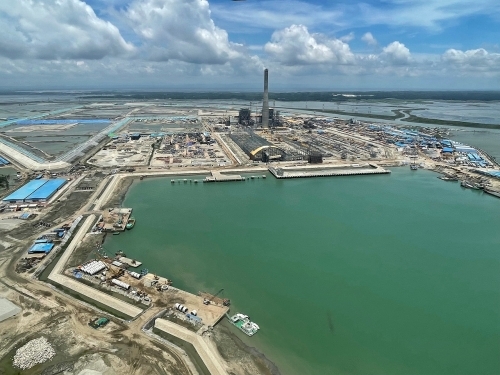
 মাতারবাড়ীতে প্রায় ১ বিলিয়ন মার্কিন ডলার ব্যয়ে পরিবেশবান্ধব ডকইয়ার্ড ও জাহাজ নির্মাণ কেন্দ্র স্থাপনের উদ্যোগে নীতিগত অনুমোদন দিয়েছে নৌপরিবহন মন্ত্রণালয়। এখন প্রকল্পটির কারিগরি ও আর্থিক মূল্যায়নের জন্য প্রস্তাবটি সরকারি-বেসরকারি অংশীদারত্ব (পিপিপি) কর্তৃপক্ষের কাছে পাঠানো হয়েছে। সম্পূর্ণ বেসরকারি অর্থায়নে সরকারি জমির মালিকানা অক্ষুণ্ন রেখে প্রকল্পটি বাস্তবায়নের পরিকল্পনা রয়েছে। বন্দর কর্তৃপক্ষ জানায়, […]
 Industry on alert over scam messages offering ships “safe passage” on Hormuz
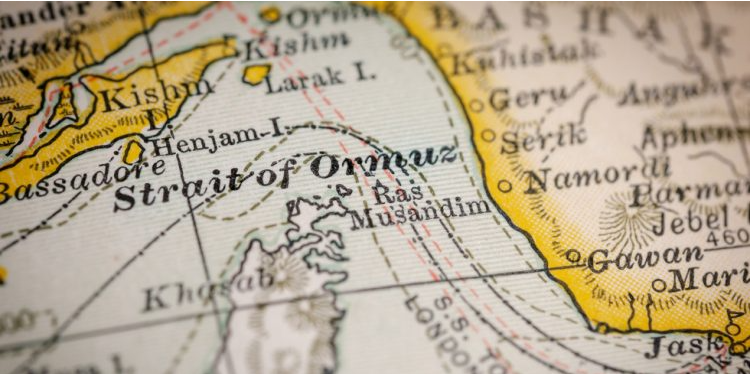
 Credit: Shutterstock Fraudulent messages offering safe passage through the Strait of Hormuz in exchange for cryptocurrency have been circulated to shipping companies with vessels stranded west of the waterway, according to MARISKS. In an alert issued on 20 April, MARISKS cautioned that unknown actors posing as Iranian authorities had contacted […]


JOB SITES
CONTENTS
LINKS
Happy New Year

Découvrez les avantages de MadCasino
Dans le monde des casinos en ligne, MadCasino se distingue par ses offres attrayantes et ses services de qualité. Que vous soyez un joueur débutant ou un parieur aguerri, vous trouverez ici une variété de jeux qui sauront satisfaire toutes vos envies. Les machines à sous, les jeux de table et les options de paris en direct sont tous disponibles pour vous offrir une expérience de jeu inégalée. De plus, le casino propose régulièrement des bonus qui permettent d'augmenter vos chances de gagner, vous offrant ainsi une excellente opportunité de maximiser vos gains.
En matière de sécurité, MadCasino est un nom de confiance. Il est entièrement licencié et régulé, ce qui garantit un environnement de jeu sûr et équitable. Les joueurs peuvent se concentrer sur leur expérience de jeu sans se soucier des problèmes de sécurité. Les transactions financières sont également sécurisées grâce à des technologies de pointe.
Les jeux proposés par MadCasino sont issus des développeurs les plus réputés de l'industrie, vous assurant des graphismes époustouflants et des mécaniques de jeu innovantes. Les joueurs peuvent également profiter d'une expérience de jeu en direct qui simule l'atmosphère d'un casino terrestre, tout en restant dans le confort de leur maison.
Enfin, la plateforme de MadCasino est optimisée pour les appareils mobiles, permettant aux joueurs de parier à tout moment et de n'importe où. Que vous soyez sur votre smartphone ou votre tablette, l'accès à vos jeux préférés n'a jamais été aussi simple. Ne manquez pas l'opportunité de découvrir ce casino exceptionnel.
Les offres de Cresus Casino
Cresus Casino est un autre acteur majeur dans le domaine des jeux en ligne, offrant des promotions généreuses et une vaste sélection de jeux. Les joueurs peuvent profiter d'une expérience de jeu enrichissante grâce aux nombreux bonus disponibles, qui sont conçus pour attirer tant les nouveaux utilisateurs que les joueurs réguliers. Ces avantages permettent non seulement de prolonger votre temps de jeu, mais aussi d'augmenter vos chances de gains conséquents.
Le casino se distingue également par sa ludothèque impressionnante, comprenant une sélection variée de machines à sous, de jeux de table et de jeux en direct. Les clients peuvent choisir parmi des titres populaires et appréciés, ainsi que des nouveautés qui enrichissent constamment l'offre. L'interface utilisateur est conviviale, rendant la navigation sur la plateforme fluide et agréable.
En termes de sécurité, Cresus Casino assure à ses joueurs un environnement de jeu fiable. La plateforme utilise des protocoles de sécurité avancés pour protéger les données personnelles et financières des utilisateurs. Cela permet aux joueurs de se sentir en sécurité tout en jouant à leurs jeux préférés.
Avec un service client réactif et professionnel, Cresus Casino s'assure que toutes vos questions et préoccupations sont traitées rapidement. Que ce soit pour des questions concernant les bonus, les retraits ou les jeux, vous bénéficierez d'une assistance rapide et efficace.
Explorez Nine Casino et ses avantages
Dans l'univers des casinos en ligne, Nine Casino a su se faire une place de choix grâce à son approche innovante et à ses nombreux avantages pour les joueurs. Les utilisateurs peuvent s'attendre à une expérience de jeu enrichissante, avec des bonus attractifs qui sont régulièrement mis à jour. Ces offres sont une excellente façon de découvrir de nouveaux jeux tout en maximisant votre potentiel de gain.
La plateforme de Nine Casino est riche en options de jeux, allant des machines à sous aux jeux de table, en passant par le live casino. Chaque jeu est conçu pour offrir une expérience immersive grâce à des graphismes de haute qualité et des fonctionnalités innovantes. Les parieurs peuvent profiter de sessions de jeu captivantes, comme s'ils étaient dans un véritable casino.
La sécurité est une priorité pour Nine Casino, qui utilise des technologies de cryptage avancées pour protéger les informations de ses joueurs. Cela garantit un environnement de jeu sûr et fiable, permettant aux utilisateurs de se concentrer sur ce qu'ils aiment le plus : jouer.
Enfin, le service clientèle fourni par Nine Casino est exceptionnel, avec des agents disponibles pour répondre à toutes vos questions et résoudre vos problèmes. Vous pourrez ainsi jouer en toute tranquillité, sachant que votre satisfaction est au cœur de leurs préoccupations.
Profitez de l'expérience Lucky31
Lucky31 est un casino en ligne qui se distingue par son approche orientée vers le joueur, offrant une multitude d'options de jeux et des bonus généreux. Que vous soyez amateur de machines à sous ou passionné de jeux de table, vous trouverez une large sélection pour satisfaire toutes vos envies de jeu. Les promotions fréquentes permettent aux joueurs de prolonger leur expérience tout en augmentant leurs chances de gains.
La convivialité de la plateforme de Lucky31 est l'un de ses plus grands atouts. Les joueurs peuvent naviguer facilement entre les différents jeux, et l'interface est conçue pour être intuitive, quel que soit le niveau d'expérience de l'utilisateur. De plus, le casino est entièrement optimisé pour les appareils mobiles, ce qui permet de parier où que vous soyez.
En matière de sécurité, Lucky31 prend les préoccupations des joueurs très au sérieux. Le casino est agréé et régulé, garantissant un environnement de jeu équitable et sécurisé. Les joueurs peuvent ainsi se concentrer sur leur expérience de jeu sans se soucier des risques liés à la sécurité.
Pour ceux qui recherchent un support client efficace, Lucky31 offre un service réactif et professionnel. Que ce soit pour des questions sur les bonus, les jeux ou les paiements, vous aurez accès à une assistance de qualité, vous garantissant une expérience de jeu fluide et agréable.