search the site


Many voices, one ship: Navigating cross-cultural dynamics at sea

Communication is the backbone of life on board, both for daily operations and for safety. Yet, multinational crews often face challenges as people navigate diverse cultural norms and expectations. Despite the hurdles, seafarers find ways to connect, share ideas and even use humor to bridge gaps.
Crew members differ in nationality, working style, age, ethnicity, gender and many other aspects of identity. Through verbal and nonverbal communication, they communicate and exchange ideas, learning to understand one another across cultural boundaries.
In the maritime industry, the importance of clear communication cannot be overstated. Safe vessel operations depend on precision and language sits at the heart of that process. Even a small misunderstanding can escalate into serious risks, making effective cross-cultural communication essential on board.
Cultural awareness on multicultural ships
With multinational crews, understanding and respecting cultural differences is crucial for smooth operations. Diversity, when managed well, can boost productivity and allow organizations to benefit from the range of perspectives and skills on board.
However, it also introduces potential pitfalls. Miscommunications and misunderstandings can disrupt daily routines and messages are not always received as intended. Even minor errors can have serious consequences in a maritime environment, highlighting the need for proactive cultural awareness and ongoing support.
Strengthening these skills is therefore not just beneficial but urgently necessary for safe and efficient operations.
Opportunities and challenges among multicultural crews
Modern shipping crews offer both rich opportunities and notable challenges. According to the Seafarer Happiness Index for the Q2 of 2024, working alongside colleagues from diverse backgrounds provides unique cultural exchange and learning experiences.
In the maritime industry, communication extends into social life on board, where seafarers both work and live together.
- Effective social communication is crucial for wellbeing, cohesion and trust.
- Maritime communication is relational and context-dependent, influencing morale and safety.
However, at the same time, social and communication hurdles often require deliberate efforts to foster cohesion.
Interactions are typically smoother when crew members share the same language, but bridging the gap with those who speak differently can be more complex. Differences in food preferences also highlight these challenges.
As an example, adjusting to a cook from a different background can be difficult when meals deviate from the crew’s familiar tastes, underscoring the practical complexities of catering to a multinational team.
As of the latest Seafarer Happiness Index published for Q3 of 2025 the scenery is not that different – while many seafarers value the opportunity to work in a diverse environment, the Index highlights that the cultural differences can sometimes lead to tension.
Maintaining positive relationships despite these differences is still a strength of the maritime industry, but it requires ongoing effort.
Crew retention
Cultural challenges can also influence crew retention. According to Columbia Group, young seafarers often leave after only a handful of voyages, partly due to feelings of isolation and limited attention to training and well-being.
Crewing managers increasingly view retaining experienced crew as a greater challenge than recruiting new members, emphasizing the importance of addressing these cultural and social factors.
Language, culture and safety
The link between culture, communication and safety is well-documented. A substantial number of maritime accidents are connected to miscommunication and misunderstandings among multilingual, multicultural crews, resulting in substantial losses.
According to academic studies, the research suggests that 80%- 90% of shipping accidents involve human factors, with roughly 40% stemming from cultural and communication issues. Contributing factors include limited language proficiency, stereotyping, differing safety and work cultures and varied attitudes toward risk.
As highlighted by Atty. Iris Baguilat during the 2025 SAFETY4SEA Manila Forum, despite ongoing efforts to improve, communication remains a significant weakness in the sector, with Maritime English posing challenges for many seafarers.
Recently, Britannia P&I Club examined a case study where a crew member entered a cargo tank and died due to benzene vapors. The investigation recommended translating the SMS and P&A Manual into languages understood by all crew members, especially non-English speakers, to ensure clear comprehension of safety procedures.
On board a ship where Filipinos, East Europeans, Indians, Chinese and many others live and work side by side, effective collaboration and communication are just as essential as the ability to operate complex machinery.
Furthermore, language and cultural barriers are now recognized as stressors comparable to homesickness, fatigue, long hours and job insecurity. Addressing these challenges through effective management and teamwork is essential for both safety and operational efficiency.
Be more conscious: Key aspects of cross-cultural communication
- Cultural backgrounds: Individualistic cultures focus on personal achievement and assertiveness, while collective cultures prioritize group goals and are generally less direct.
- Speed and rhythm of speech: Fast speakers may finish each other’s sentences or interrupt, while slower speakers can be seen as unresponsive; fast speakers may also appear domineering.
- Tone and pitch: Varied tonal patterns can be misinterpreted; high or fluctuating tones may seem aggressive, while low or modulated tones may appear passive or shy.
- Volume of voice: Some crew members speak quietly, while others raise their voice to emphasize points. Misreading volume can create tension or negative impressions.
- Gestures and eye contact: Eye contact can signal openness, respect, or dominance depending on norms. Gestures, casual touching and head movements for yes/no differ widely, which may lead to misunderstandings.
- Humor and social interaction: Jokes can be risky due to cultural and language differences. Misunderstood humor may cause embarrassment or isolation, whereas a shared understanding of language and social norms helps build connections. Despite these differences, humor can strengthen cross-cultural bonds.
Effective communication and cultural understanding are fundamental for seafarers of all backgrounds. Beyond language skills, openness, flexibility and respect for different perspectives allow crews to navigate conflicts and build mutual trust.
When seafarers understand one another, they ensure not only a safe and efficient vessel but also a supportive environment where personal and professional relationships can flourish.
source : safety4sea
Featured Post
 বড় জাহাজ মেরামতে মাতারবাড়ীতে ১ বিলিয়ন ডলারের প্রকল্প
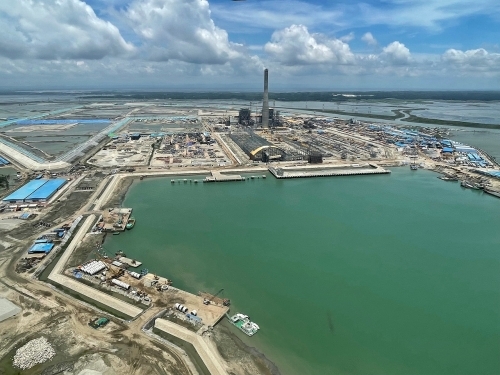
 মাতারবাড়ীতে প্রায় ১ বিলিয়ন মার্কিন ডলার ব্যয়ে পরিবেশবান্ধব ডকইয়ার্ড ও জাহাজ নির্মাণ কেন্দ্র স্থাপনের উদ্যোগে নীতিগত অনুমোদন দিয়েছে নৌপরিবহন মন্ত্রণালয়। এখন প্রকল্পটির কারিগরি ও আর্থিক মূল্যায়নের জন্য প্রস্তাবটি সরকারি-বেসরকারি অংশীদারত্ব (পিপিপি) কর্তৃপক্ষের কাছে পাঠানো হয়েছে। সম্পূর্ণ বেসরকারি অর্থায়নে সরকারি জমির মালিকানা অক্ষুণ্ন রেখে প্রকল্পটি বাস্তবায়নের পরিকল্পনা রয়েছে। বন্দর কর্তৃপক্ষ জানায়, […]
 Industry on alert over scam messages offering ships “safe passage” on Hormuz
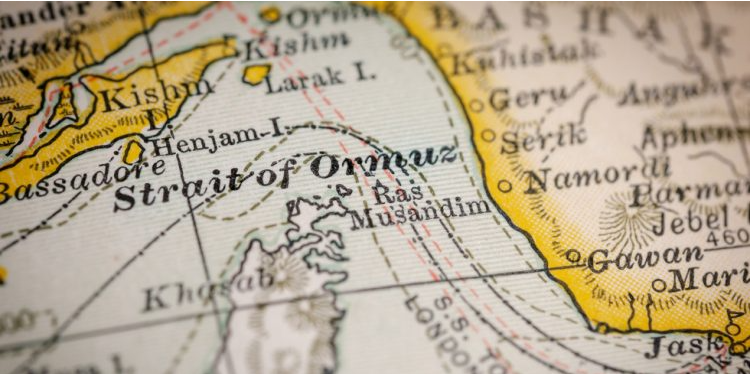
 Credit: Shutterstock Fraudulent messages offering safe passage through the Strait of Hormuz in exchange for cryptocurrency have been circulated to shipping companies with vessels stranded west of the waterway, according to MARISKS. In an alert issued on 20 April, MARISKS cautioned that unknown actors posing as Iranian authorities had contacted […]



JOB SITES
CONTENTS
LINKS
Happy New Year

Découvrez les avantages de MadCasino
Dans le monde des casinos en ligne, MadCasino se distingue par ses offres attrayantes et ses services de qualité. Que vous soyez un joueur débutant ou un parieur aguerri, vous trouverez ici une variété de jeux qui sauront satisfaire toutes vos envies. Les machines à sous, les jeux de table et les options de paris en direct sont tous disponibles pour vous offrir une expérience de jeu inégalée. De plus, le casino propose régulièrement des bonus qui permettent d'augmenter vos chances de gagner, vous offrant ainsi une excellente opportunité de maximiser vos gains.
En matière de sécurité, MadCasino est un nom de confiance. Il est entièrement licencié et régulé, ce qui garantit un environnement de jeu sûr et équitable. Les joueurs peuvent se concentrer sur leur expérience de jeu sans se soucier des problèmes de sécurité. Les transactions financières sont également sécurisées grâce à des technologies de pointe.
Les jeux proposés par MadCasino sont issus des développeurs les plus réputés de l'industrie, vous assurant des graphismes époustouflants et des mécaniques de jeu innovantes. Les joueurs peuvent également profiter d'une expérience de jeu en direct qui simule l'atmosphère d'un casino terrestre, tout en restant dans le confort de leur maison.
Enfin, la plateforme de MadCasino est optimisée pour les appareils mobiles, permettant aux joueurs de parier à tout moment et de n'importe où. Que vous soyez sur votre smartphone ou votre tablette, l'accès à vos jeux préférés n'a jamais été aussi simple. Ne manquez pas l'opportunité de découvrir ce casino exceptionnel.
Les offres de Cresus Casino
Cresus Casino est un autre acteur majeur dans le domaine des jeux en ligne, offrant des promotions généreuses et une vaste sélection de jeux. Les joueurs peuvent profiter d'une expérience de jeu enrichissante grâce aux nombreux bonus disponibles, qui sont conçus pour attirer tant les nouveaux utilisateurs que les joueurs réguliers. Ces avantages permettent non seulement de prolonger votre temps de jeu, mais aussi d'augmenter vos chances de gains conséquents.
Le casino se distingue également par sa ludothèque impressionnante, comprenant une sélection variée de machines à sous, de jeux de table et de jeux en direct. Les clients peuvent choisir parmi des titres populaires et appréciés, ainsi que des nouveautés qui enrichissent constamment l'offre. L'interface utilisateur est conviviale, rendant la navigation sur la plateforme fluide et agréable.
En termes de sécurité, Cresus Casino assure à ses joueurs un environnement de jeu fiable. La plateforme utilise des protocoles de sécurité avancés pour protéger les données personnelles et financières des utilisateurs. Cela permet aux joueurs de se sentir en sécurité tout en jouant à leurs jeux préférés.
Avec un service client réactif et professionnel, Cresus Casino s'assure que toutes vos questions et préoccupations sont traitées rapidement. Que ce soit pour des questions concernant les bonus, les retraits ou les jeux, vous bénéficierez d'une assistance rapide et efficace.
Explorez Nine Casino et ses avantages
Dans l'univers des casinos en ligne, Nine Casino a su se faire une place de choix grâce à son approche innovante et à ses nombreux avantages pour les joueurs. Les utilisateurs peuvent s'attendre à une expérience de jeu enrichissante, avec des bonus attractifs qui sont régulièrement mis à jour. Ces offres sont une excellente façon de découvrir de nouveaux jeux tout en maximisant votre potentiel de gain.
La plateforme de Nine Casino est riche en options de jeux, allant des machines à sous aux jeux de table, en passant par le live casino. Chaque jeu est conçu pour offrir une expérience immersive grâce à des graphismes de haute qualité et des fonctionnalités innovantes. Les parieurs peuvent profiter de sessions de jeu captivantes, comme s'ils étaient dans un véritable casino.
La sécurité est une priorité pour Nine Casino, qui utilise des technologies de cryptage avancées pour protéger les informations de ses joueurs. Cela garantit un environnement de jeu sûr et fiable, permettant aux utilisateurs de se concentrer sur ce qu'ils aiment le plus : jouer.
Enfin, le service clientèle fourni par Nine Casino est exceptionnel, avec des agents disponibles pour répondre à toutes vos questions et résoudre vos problèmes. Vous pourrez ainsi jouer en toute tranquillité, sachant que votre satisfaction est au cœur de leurs préoccupations.
Profitez de l'expérience Lucky31
Lucky31 est un casino en ligne qui se distingue par son approche orientée vers le joueur, offrant une multitude d'options de jeux et des bonus généreux. Que vous soyez amateur de machines à sous ou passionné de jeux de table, vous trouverez une large sélection pour satisfaire toutes vos envies de jeu. Les promotions fréquentes permettent aux joueurs de prolonger leur expérience tout en augmentant leurs chances de gains.
La convivialité de la plateforme de Lucky31 est l'un de ses plus grands atouts. Les joueurs peuvent naviguer facilement entre les différents jeux, et l'interface est conçue pour être intuitive, quel que soit le niveau d'expérience de l'utilisateur. De plus, le casino est entièrement optimisé pour les appareils mobiles, ce qui permet de parier où que vous soyez.
En matière de sécurité, Lucky31 prend les préoccupations des joueurs très au sérieux. Le casino est agréé et régulé, garantissant un environnement de jeu équitable et sécurisé. Les joueurs peuvent ainsi se concentrer sur leur expérience de jeu sans se soucier des risques liés à la sécurité.
Pour ceux qui recherchent un support client efficace, Lucky31 offre un service réactif et professionnel. Que ce soit pour des questions sur les bonus, les jeux ou les paiements, vous aurez accès à une assistance de qualité, vous garantissant une expérience de jeu fluide et agréable.