search the site


Coastal States warn of safety risks increased by GNSS interference
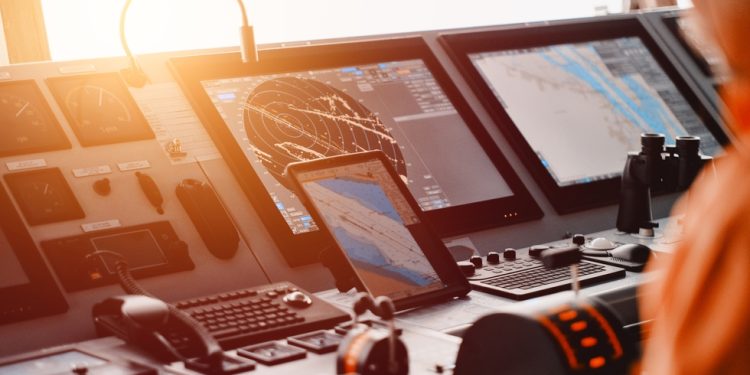
The coastal States of the North Sea and the Baltic Sea have called for international action in response to growing navigation system interference and the risks to maritime safety.
New safety challenges are emerging due to the growing incidence of GNSS interference in European waters, particularly in the Baltic Sea region. These disturbances degrade the safety of international shipping and place all vessels at risk. As highlighted by a study conducted by Gdynia Maritime University and GPSPATRON, there is an urgent need to establish a comprehensive territorial GNSS interference monitoring network along the Baltic Sea coast.
According to the joint letter published on 26 January by the Coastal States of the Baltic Sea and the North Sea with Iceland, the accurate and uninterrupted functioning of Global Navigation Satellite Systems (GNSS) is not a technical luxury, it is a critical safety requirement.
GNSS signals support not only ship navigation but also precise time synchronization vital for systems such as the Global Maritime Distress and Safety System (GMDSS). Disruption of these signals is a risk to the safety and reliability of maritime transport.
Equally vital is the integrity of the Automatic Identification System (AIS), which plays a key role in traffic coordination, enhances situational awareness and emergency response. Spoofing or falsifying AIS data undermines maritime safety and security, increases the risk of accidents, and severely hampers rescue operations.
The States call upon the international maritime community and national authorities to:
1. Recognize GNSS interference and AIS manipulation as threats to maritime safety and security.
2. Ensure vessels have adequate capabilities and properly trained crew as required by international conventions to operate safely during navigation system outages.
3. Cooperate on the development of alternative terrestrial radionavigation systems which may be used in place of GNSS in the event of disruption, loss of signal or interference.
Maintaining trust in maritime navigation requires more than technology – it demands responsibility, transparency, and decisive action. It must be ensured that seas remain safe, including when systems fail or face disturbances.
[…] We stress that the full and consistent implementation of the IMO regulations is fundamental to ensuring maritime safety, the smooth functioning of shipping, and the protection of seafarers and the marine environment, especially in the new emerging situations affecting safety at sea, such as the increasing use of shadow fleet vessels to circumvent international sanctions.
The signatories highlight the need for all vessels exercising freedom of navigation to fully comply with international maritime law, including UNCLOS and key IMO conventions such as COLREG, SOLAS, MARPOL, STCW and related resolutions.
As further explained, vessels must sail under a single flag, carry valid certification and insurance, operate under an approved safety management system and meet flag State compliance and oversight requirements. Ships must also ensure proper watchkeeping, maintain AIS and LRIT systems and provide required information to ship reporting systems and maritime authorities, including VTS.
Furthermore, vessels are required to follow mandatory routing measures and local navigation restrictions, report pollution incidents and carry approved emergency and pollution response plans. Ship-to-ship transfers are regulated, requiring approved plans and prior notification to coastal States and must not be conducted without authorization.
The issue has again come to the forefront in 2025, as incidents of satellite navigation spoofing and jamming in the Baltic Sea region have increased significantly compared with previous years.
While precise figures are not available, multiple indicators suggest that both the scale and persistence of such interference have grown markedly, according to RiskIntelligence. Automatic Identification System (AIS) data further support this assessment, showing particularly heavy spoofing activity in areas around Kaliningrad and St. Petersburg.
The Coastal States of the Baltic Sea and the North Sea with Iceland: Belgium, Denmark, Estonia, Finland, France, Germany, Iceland, Latvia, Lithuania, the Netherlands, Norway, Poland, Sweden, the United Kingdom.
We have consistently kept interference and the related risks high on our agenda in international forums. Our particular concern relates to vessels and crew that do not have the capabilities for winter navigation and are vulnerable to GNSS interference. We want to ensure that all countries are committed to international conventions and are adequately prepared for incidents when operating in the Baltic Sea region.
source : safety4sea
Featured Post
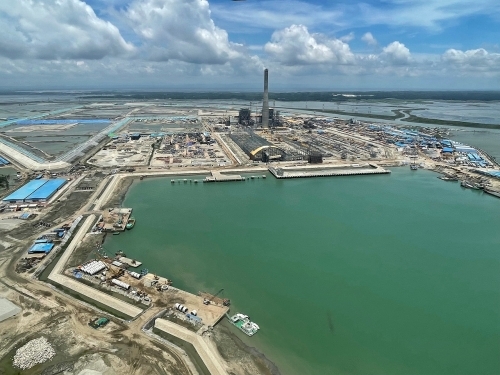 বড় জাহাজ মেরামতে মাতারবাড়ীতে ১ বিলিয়ন ডলারের প্রকল্প
 মাতারবাড়ীতে প্রায় ১ বিলিয়ন মার্কিন ডলার ব্যয়ে পরিবেশবান্ধব ডকইয়ার্ড ও জাহাজ নির্মাণ কেন্দ্র স্থাপনের উদ্যোগে নীতিগত অনুমোদন দিয়েছে নৌপরিবহন মন্ত্রণালয়। এখন প্রকল্পটির কারিগরি ও আর্থিক মূল্যায়নের জন্য প্রস্তাবটি সরকারি-বেসরকারি অংশীদারত্ব (পিপিপি) কর্তৃপক্ষের কাছে পাঠানো হয়েছে। সম্পূর্ণ বেসরকারি অর্থায়নে সরকারি জমির মালিকানা অক্ষুণ্ন রেখে প্রকল্পটি বাস্তবায়নের পরিকল্পনা রয়েছে। বন্দর কর্তৃপক্ষ জানায়, […]
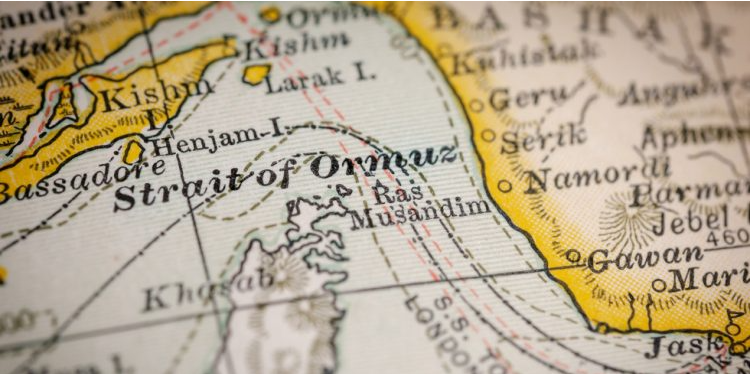 Industry on alert over scam messages offering ships “safe passage” on Hormuz
 Credit: Shutterstock Fraudulent messages offering safe passage through the Strait of Hormuz in exchange for cryptocurrency have been circulated to shipping companies with vessels stranded west of the waterway, according to MARISKS. In an alert issued on 20 April, MARISKS cautioned that unknown actors posing as Iranian authorities had contacted […]



JOB SITES
CONTENTS
LINKS
Happy New Year

Découvrez les avantages de MadCasino
Dans le monde des casinos en ligne, MadCasino se distingue par ses offres attrayantes et ses services de qualité. Que vous soyez un joueur débutant ou un parieur aguerri, vous trouverez ici une variété de jeux qui sauront satisfaire toutes vos envies. Les machines à sous, les jeux de table et les options de paris en direct sont tous disponibles pour vous offrir une expérience de jeu inégalée. De plus, le casino propose régulièrement des bonus qui permettent d'augmenter vos chances de gagner, vous offrant ainsi une excellente opportunité de maximiser vos gains.
En matière de sécurité, MadCasino est un nom de confiance. Il est entièrement licencié et régulé, ce qui garantit un environnement de jeu sûr et équitable. Les joueurs peuvent se concentrer sur leur expérience de jeu sans se soucier des problèmes de sécurité. Les transactions financières sont également sécurisées grâce à des technologies de pointe.
Les jeux proposés par MadCasino sont issus des développeurs les plus réputés de l'industrie, vous assurant des graphismes époustouflants et des mécaniques de jeu innovantes. Les joueurs peuvent également profiter d'une expérience de jeu en direct qui simule l'atmosphère d'un casino terrestre, tout en restant dans le confort de leur maison.
Enfin, la plateforme de MadCasino est optimisée pour les appareils mobiles, permettant aux joueurs de parier à tout moment et de n'importe où. Que vous soyez sur votre smartphone ou votre tablette, l'accès à vos jeux préférés n'a jamais été aussi simple. Ne manquez pas l'opportunité de découvrir ce casino exceptionnel.
Les offres de Cresus Casino
Cresus Casino est un autre acteur majeur dans le domaine des jeux en ligne, offrant des promotions généreuses et une vaste sélection de jeux. Les joueurs peuvent profiter d'une expérience de jeu enrichissante grâce aux nombreux bonus disponibles, qui sont conçus pour attirer tant les nouveaux utilisateurs que les joueurs réguliers. Ces avantages permettent non seulement de prolonger votre temps de jeu, mais aussi d'augmenter vos chances de gains conséquents.
Le casino se distingue également par sa ludothèque impressionnante, comprenant une sélection variée de machines à sous, de jeux de table et de jeux en direct. Les clients peuvent choisir parmi des titres populaires et appréciés, ainsi que des nouveautés qui enrichissent constamment l'offre. L'interface utilisateur est conviviale, rendant la navigation sur la plateforme fluide et agréable.
En termes de sécurité, Cresus Casino assure à ses joueurs un environnement de jeu fiable. La plateforme utilise des protocoles de sécurité avancés pour protéger les données personnelles et financières des utilisateurs. Cela permet aux joueurs de se sentir en sécurité tout en jouant à leurs jeux préférés.
Avec un service client réactif et professionnel, Cresus Casino s'assure que toutes vos questions et préoccupations sont traitées rapidement. Que ce soit pour des questions concernant les bonus, les retraits ou les jeux, vous bénéficierez d'une assistance rapide et efficace.
Explorez Nine Casino et ses avantages
Dans l'univers des casinos en ligne, Nine Casino a su se faire une place de choix grâce à son approche innovante et à ses nombreux avantages pour les joueurs. Les utilisateurs peuvent s'attendre à une expérience de jeu enrichissante, avec des bonus attractifs qui sont régulièrement mis à jour. Ces offres sont une excellente façon de découvrir de nouveaux jeux tout en maximisant votre potentiel de gain.
La plateforme de Nine Casino est riche en options de jeux, allant des machines à sous aux jeux de table, en passant par le live casino. Chaque jeu est conçu pour offrir une expérience immersive grâce à des graphismes de haute qualité et des fonctionnalités innovantes. Les parieurs peuvent profiter de sessions de jeu captivantes, comme s'ils étaient dans un véritable casino.
La sécurité est une priorité pour Nine Casino, qui utilise des technologies de cryptage avancées pour protéger les informations de ses joueurs. Cela garantit un environnement de jeu sûr et fiable, permettant aux utilisateurs de se concentrer sur ce qu'ils aiment le plus : jouer.
Enfin, le service clientèle fourni par Nine Casino est exceptionnel, avec des agents disponibles pour répondre à toutes vos questions et résoudre vos problèmes. Vous pourrez ainsi jouer en toute tranquillité, sachant que votre satisfaction est au cœur de leurs préoccupations.
Profitez de l'expérience Lucky31
Lucky31 est un casino en ligne qui se distingue par son approche orientée vers le joueur, offrant une multitude d'options de jeux et des bonus généreux. Que vous soyez amateur de machines à sous ou passionné de jeux de table, vous trouverez une large sélection pour satisfaire toutes vos envies de jeu. Les promotions fréquentes permettent aux joueurs de prolonger leur expérience tout en augmentant leurs chances de gains.
La convivialité de la plateforme de Lucky31 est l'un de ses plus grands atouts. Les joueurs peuvent naviguer facilement entre les différents jeux, et l'interface est conçue pour être intuitive, quel que soit le niveau d'expérience de l'utilisateur. De plus, le casino est entièrement optimisé pour les appareils mobiles, ce qui permet de parier où que vous soyez.
En matière de sécurité, Lucky31 prend les préoccupations des joueurs très au sérieux. Le casino est agréé et régulé, garantissant un environnement de jeu équitable et sécurisé. Les joueurs peuvent ainsi se concentrer sur leur expérience de jeu sans se soucier des risques liés à la sécurité.
Pour ceux qui recherchent un support client efficace, Lucky31 offre un service réactif et professionnel. Que ce soit pour des questions sur les bonus, les jeux ou les paiements, vous aurez accès à une assistance de qualité, vous garantissant une expérience de jeu fluide et agréable.