search the site


Social wellbeing at sea: Understanding the subtle human factors behind safe operations and claims

Within the P&I claims environment, we routinely assess incidents that show how closely human factors influence maritime incidents, notes Joanna Koukouli, Co-Global Claims Director – SVP/ Managing Director, The American Club.
Although technical issues often receive the most attention, many underlying circumstances relate to the social and interpersonal realities of life at sea. Observations gathered from years of reviewing incidents worldwide work towards understanding these dynamics and supporting a broader industry effort toward safer and more resilient operations.
Seafaring requires a unique blend of skill, endurance, and emotional adaptability. Crews live and work in close quarters, often for extended periods, while navigating multicultural communication and long separation from home. From a claims’ perspective, these social dimensions rarely attract attention. However, although they may not be the direct cause of an incident, yet they shape the environment in which decisions are made and tasks are performed.
Four main areas, web connectivity, communication, teamwork and interpersonal conduct, may emerge during claims analyses of the human element. Each influences how effectively seafarers cope with operational pressures and how safely a vessel functions.
Internet access: A stabilizing influence in daily life
Internet access has become an important stabilizing factor for crews. While connectivity varies depending on operational capabilities, vessel type, and trade, even modest access helps seafarers maintain contact with their families and manage personal responsibilities ashore.
Emotional tension related to isolation, uncertainty at home or difficulty staying connected may be a subtle contributing factor to an incident. Such stress may not directly cause such incident, but it can influence focus, judgment and general wellbeing, particularly on long voyages. Connectivity, therefore, can play a supportive role in helping crews remain stable and focused.
Communication: A common denominator
Communication issues are amongst the most frequently observed patterns in claims investigations. Modern ships bring together crew members from diverse cultures, with varying levels of English proficiency and differing expectations around hierarchy and decision-making. Under these conditions, misunderstandings can occur naturally.
In many incidents, whether involving navigation, maintenance, cargo operations, or personal injury, there may be a moment where instructions were not fully understood, a question went unasked, or assumptions replaced clarification. Such situations reflect the complexity of communication in a demanding, multicultural work environment.
Encouraging constructive dialogue, confirming understanding, and fostering an atmosphere where individuals feel comfortable raising questions helps strengthen procedural clarity. When communication flows effectively, potential issues are more likely to be addressed in good time, before they escalate.
Teamwork: A quiet but significant safety influence
Teamwork is another factor that rarely appears as a primary consideration in claims, yet it shapes the conditions under which many incidents unfold. Tight-knit crews tend to anticipate one another’s reactions and needs, therefore are more likely to identify developing risks sooner and respond more effectively in both routine and high-pressure situations.
In contrast, when teamwork is strained – whether due to extended time at sea, personality differences or cultural misunderstandings – communication may become less flowing. Minor challenges may go unaddressed and individuals may hesitate before voicing concerns. In several cases we have reviewed, a stronger team dynamic might have altered the course of events by prompting better coordination and mitigation.
Teamwork evolves continuously onboard during a service period. It is a dynamic process fostered by supportive leadership, balanced workload distribution and respectful daily interactions.
Bullying, Harassment, and Discrimination: The infamous BHD
Although bullying, harassment, and discrimination are identified less frequently in practice, their impact can be significant.
Claims involving emotional distress, reduced concentration or hesitation to report unsafe conditions often arise in environments where interpersonal challenges were prevailing.
The shipboard setting magnifies the effects of negative behavior because individuals cannot easily distance themselves from conflict. Prolonged exposure to such circumstances can affect mental wellbeing, focus and the willingness to participate openly in safety discussions.
Industry-wide, there is ongoing recognition of the importance of fostering supportive, respectful working environments. The American Club’s Sexual Assault/Sexual Harassment (SASH) Awareness initiative is a pioneering program aiming to both raise awareness of SASH and to provide tools and resources, including a series of animations, to assist with prevention, while promoting the wellbeing of crew members and safety onboard.
Social wellbeing and claims trends
Certain patterns may emerge, when analyzing claims trends involving human factors. Ships where communication is poor, teamwork is dysfunctional and social interactions are challenged, tend to experience more incidents. If investigated in depth, such denominators may be more common than expected. On the other hand, teams that are built on collegiality, respect and inclusiveness, are more likely to profit from flow of information and openness by identifying and managing crew members’ pressures promptly and effectively.
Seafarers operate in environments that require both technical precision and emotional perseverance. Their social wellbeing shapes communication, teamwork, and decision-making, elements that influence situational awareness, sound judgment and proactiveness. When crews feel supported and connected, the operational environment becomes consistent and mutuality is promoted.
By giving consideration to the social realities of life at sea, we may gain a clearer understanding of the deeper whys, which fall outside the traditional technical and legal analysis of causation. Crews move global maritime trade, so the social wellbeing of the individuals that form these dynamic teams, should support safer operations and, hopefully, help reduce maritime claims attributed to human factors.
source : safety4sea
Featured Post
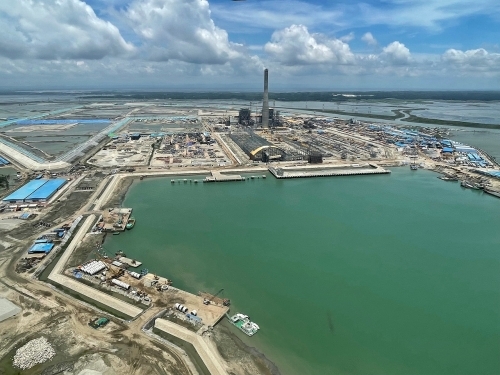 বড় জাহাজ মেরামতে মাতারবাড়ীতে ১ বিলিয়ন ডলারের প্রকল্প
 মাতারবাড়ীতে প্রায় ১ বিলিয়ন মার্কিন ডলার ব্যয়ে পরিবেশবান্ধব ডকইয়ার্ড ও জাহাজ নির্মাণ কেন্দ্র স্থাপনের উদ্যোগে নীতিগত অনুমোদন দিয়েছে নৌপরিবহন মন্ত্রণালয়। এখন প্রকল্পটির কারিগরি ও আর্থিক মূল্যায়নের জন্য প্রস্তাবটি সরকারি-বেসরকারি অংশীদারত্ব (পিপিপি) কর্তৃপক্ষের কাছে পাঠানো হয়েছে। সম্পূর্ণ বেসরকারি অর্থায়নে সরকারি জমির মালিকানা অক্ষুণ্ন রেখে প্রকল্পটি বাস্তবায়নের পরিকল্পনা রয়েছে। বন্দর কর্তৃপক্ষ জানায়, […]
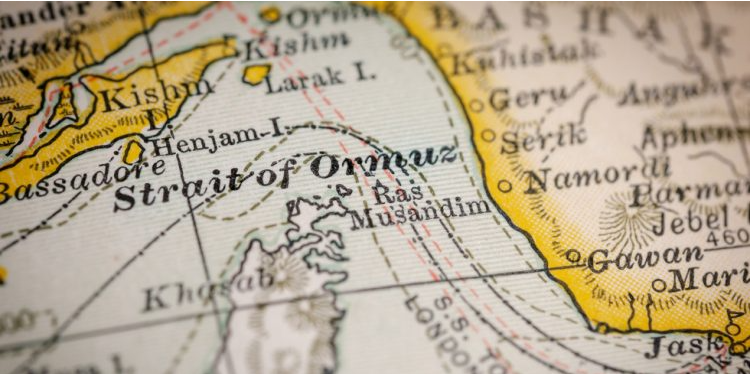 Industry on alert over scam messages offering ships “safe passage” on Hormuz
 Credit: Shutterstock Fraudulent messages offering safe passage through the Strait of Hormuz in exchange for cryptocurrency have been circulated to shipping companies with vessels stranded west of the waterway, according to MARISKS. In an alert issued on 20 April, MARISKS cautioned that unknown actors posing as Iranian authorities had contacted […]



JOB SITES
CONTENTS
LINKS
Happy New Year

Découvrez les avantages de MadCasino
Dans le monde des casinos en ligne, MadCasino se distingue par ses offres attrayantes et ses services de qualité. Que vous soyez un joueur débutant ou un parieur aguerri, vous trouverez ici une variété de jeux qui sauront satisfaire toutes vos envies. Les machines à sous, les jeux de table et les options de paris en direct sont tous disponibles pour vous offrir une expérience de jeu inégalée. De plus, le casino propose régulièrement des bonus qui permettent d'augmenter vos chances de gagner, vous offrant ainsi une excellente opportunité de maximiser vos gains.
En matière de sécurité, MadCasino est un nom de confiance. Il est entièrement licencié et régulé, ce qui garantit un environnement de jeu sûr et équitable. Les joueurs peuvent se concentrer sur leur expérience de jeu sans se soucier des problèmes de sécurité. Les transactions financières sont également sécurisées grâce à des technologies de pointe.
Les jeux proposés par MadCasino sont issus des développeurs les plus réputés de l'industrie, vous assurant des graphismes époustouflants et des mécaniques de jeu innovantes. Les joueurs peuvent également profiter d'une expérience de jeu en direct qui simule l'atmosphère d'un casino terrestre, tout en restant dans le confort de leur maison.
Enfin, la plateforme de MadCasino est optimisée pour les appareils mobiles, permettant aux joueurs de parier à tout moment et de n'importe où. Que vous soyez sur votre smartphone ou votre tablette, l'accès à vos jeux préférés n'a jamais été aussi simple. Ne manquez pas l'opportunité de découvrir ce casino exceptionnel.
Les offres de Cresus Casino
Cresus Casino est un autre acteur majeur dans le domaine des jeux en ligne, offrant des promotions généreuses et une vaste sélection de jeux. Les joueurs peuvent profiter d'une expérience de jeu enrichissante grâce aux nombreux bonus disponibles, qui sont conçus pour attirer tant les nouveaux utilisateurs que les joueurs réguliers. Ces avantages permettent non seulement de prolonger votre temps de jeu, mais aussi d'augmenter vos chances de gains conséquents.
Le casino se distingue également par sa ludothèque impressionnante, comprenant une sélection variée de machines à sous, de jeux de table et de jeux en direct. Les clients peuvent choisir parmi des titres populaires et appréciés, ainsi que des nouveautés qui enrichissent constamment l'offre. L'interface utilisateur est conviviale, rendant la navigation sur la plateforme fluide et agréable.
En termes de sécurité, Cresus Casino assure à ses joueurs un environnement de jeu fiable. La plateforme utilise des protocoles de sécurité avancés pour protéger les données personnelles et financières des utilisateurs. Cela permet aux joueurs de se sentir en sécurité tout en jouant à leurs jeux préférés.
Avec un service client réactif et professionnel, Cresus Casino s'assure que toutes vos questions et préoccupations sont traitées rapidement. Que ce soit pour des questions concernant les bonus, les retraits ou les jeux, vous bénéficierez d'une assistance rapide et efficace.
Explorez Nine Casino et ses avantages
Dans l'univers des casinos en ligne, Nine Casino a su se faire une place de choix grâce à son approche innovante et à ses nombreux avantages pour les joueurs. Les utilisateurs peuvent s'attendre à une expérience de jeu enrichissante, avec des bonus attractifs qui sont régulièrement mis à jour. Ces offres sont une excellente façon de découvrir de nouveaux jeux tout en maximisant votre potentiel de gain.
La plateforme de Nine Casino est riche en options de jeux, allant des machines à sous aux jeux de table, en passant par le live casino. Chaque jeu est conçu pour offrir une expérience immersive grâce à des graphismes de haute qualité et des fonctionnalités innovantes. Les parieurs peuvent profiter de sessions de jeu captivantes, comme s'ils étaient dans un véritable casino.
La sécurité est une priorité pour Nine Casino, qui utilise des technologies de cryptage avancées pour protéger les informations de ses joueurs. Cela garantit un environnement de jeu sûr et fiable, permettant aux utilisateurs de se concentrer sur ce qu'ils aiment le plus : jouer.
Enfin, le service clientèle fourni par Nine Casino est exceptionnel, avec des agents disponibles pour répondre à toutes vos questions et résoudre vos problèmes. Vous pourrez ainsi jouer en toute tranquillité, sachant que votre satisfaction est au cœur de leurs préoccupations.
Profitez de l'expérience Lucky31
Lucky31 est un casino en ligne qui se distingue par son approche orientée vers le joueur, offrant une multitude d'options de jeux et des bonus généreux. Que vous soyez amateur de machines à sous ou passionné de jeux de table, vous trouverez une large sélection pour satisfaire toutes vos envies de jeu. Les promotions fréquentes permettent aux joueurs de prolonger leur expérience tout en augmentant leurs chances de gains.
La convivialité de la plateforme de Lucky31 est l'un de ses plus grands atouts. Les joueurs peuvent naviguer facilement entre les différents jeux, et l'interface est conçue pour être intuitive, quel que soit le niveau d'expérience de l'utilisateur. De plus, le casino est entièrement optimisé pour les appareils mobiles, ce qui permet de parier où que vous soyez.
En matière de sécurité, Lucky31 prend les préoccupations des joueurs très au sérieux. Le casino est agréé et régulé, garantissant un environnement de jeu équitable et sécurisé. Les joueurs peuvent ainsi se concentrer sur leur expérience de jeu sans se soucier des risques liés à la sécurité.
Pour ceux qui recherchent un support client efficace, Lucky31 offre un service réactif et professionnel. Que ce soit pour des questions sur les bonus, les jeux ou les paiements, vous aurez accès à une assistance de qualité, vous garantissant une expérience de jeu fluide et agréable.