search the site


Port of Chattogram: When a Port Becomes a Prey
by Ghulam Suhrawardi
Port of Chattogram: When a Port Becomes a Prey
Terming the ex-Mayors as ‘devourers of the port, recently spoke a painful truth when he said that “they were not the Mayor for the port, but the port was for them.” Shipping Advisor flagged the political stakes of “individual citizens having become devourers of the port,” and reminded us that the port’s facilities are not “an ATM of private businesses and party leaders.”
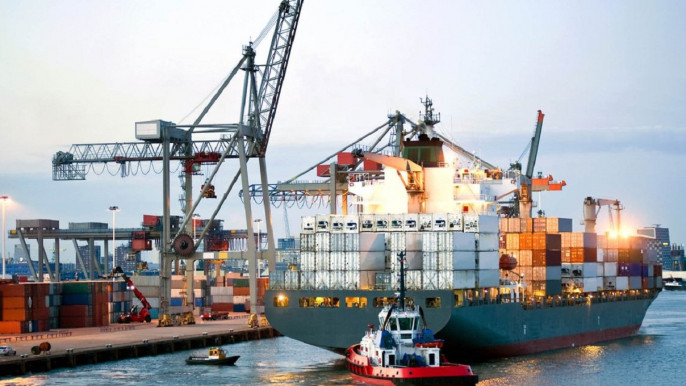
Chattogram Port is the economic gateway of Bangladesh; it is the bloodline of our economy, and most of the (around 90 per cent) external trade goes through Chattogram Port. Abuse of power associated with Chattogram Port, therefore, is not merely the issue of a specific person or a local matter of Chattogram city; it is a matter of national economic security and global competitiveness of our ports and global trade. It is a matter of public trust. To say that a former mayor is the “devourer of the port” is not an isolated case of political violence or vendetta against a political opponent. The ex-Mayor was not the mayor of the port. Still, the port was for the ex-Mayor and his cronies to increase their illegal power through private extortion from Bangladesh’s premier national asset, the Chattogram Port.
The problem at Chattogram Port is systemic, not episodic
The fact that Chattogram Port is prone to systemic corruption and abuse of power is well established. Port Users, Shipping Agents, Importers, Exporters, Civil Society, and Investigative journalists have pointed to widespread systemic corruption, abuse of power, and financial irregularities at Chattogram Port in the last few decades.
Media reports and independent analyses have estimated that port-related inefficiencies and corruption add millions of dollars in costs to Bangladesh’s trade annually. While estimates of port-related corruption may vary significantly, even the most conservative figures indicate additional logistics costs of a few hundred dollars per container. At millions of TEUs a year, that would amount to hundreds of millions of dollars in economic losses from non-transparent, illegitimate payments by exporters, importers, and consumers.
Systemic bribery is one of the most oft-quoted problems at the Port. Over the last few decades, users have consistently alleged that informal payments are required at various stages of port processes, from vessel berthing and yard allocation to customs clearance and container release. A year-old report also estimated that illegal payments associated with customs clearance alone amount to millions of US dollars every year.
Abuse of power has also been another consistent charge against Port Officials. Several senior government officials with connections to Chattogram Port operations were questioned by the Anti-Corruption Commission (ACC) over the last few years regarding alleged involvement in embezzlement of funds, favoritism in contracts and licensing, and accumulation of illegal wealth. A number of them have since been investigated, but many cases have not yielded results over time, nurturing a public perception of impunity.
Awarding of licenses, handling contracts, and service agreements have been another much-debated area at Chattogram Port over the years. Some licenses issued by Chattogram Port Authority without tender were later revoked following public outcry and intervention from regulatory authorities. Several permits are still revoked from time to time, even after long years of operations, raising questions about the transparency of the process.
Instances of individual customs officials being caught red-handed accepting bribes in exchange for clearing files are also not uncommon. These individual aberrations, however, are a function of the system, which normalizes and institutionalizes such malpractice.
Attempts and Backlash
Efforts have been made in the last few years to reform, bring accountability, and streamline processes at Chattogram Port. Over the past few years, the ACC has filed cases and made repeated inquiries into corruption allegations involving officials from the Chattogram Port and companies associated with them. The industry-led “Say No to Corruption in the Maritime Sector” campaign also sought to build a culture of integrity, transparency, and ethical business practices, with the support of the Maritime Anti-Corruption Network (MACN).
Attempts have also been made to explore collaborations with experienced foreign terminal operators over the last few years. The logic of such collaborations has been that a professionally run terminal (characterized by international benchmarks of operation and performance) would help Bangladesh reduce discretion in the service delivery process and introduce international best practice (resulting in higher productivity and efficiency at the port).
Professional terminals usually also demonstrate higher crane productivity, shorter vessel turnaround times, and more predictable service delivery than unprofessional ports worldwide. This fact is yet to be established in the Bangladeshi context.
Each of the above steps towards bringing more accountability and professionalism into the port processes has met with orchestrated public and political backlash in the last few years, when foreign participation was the question for leasing or outsourcing the operations of Bay Terminal, PCT, and the new Matarbari Deep Sea Port.
The cacophony we hear today over leasing the Bay Terminal or foreign participation in the operations of the PCT or Matarbari is being projected under the guise of national interest, sovereignty, and national control over a national asset, and of alleged fear of foreign domination. Hardly any of these deeply entrenched interests have anything to lose in terms of national interest, but much to lose in terms of their private income-generating machines.
Few can deny that, for decades, many vested interests have operated an open secret of private extortion (rent extraction) from Chattogram Port, with little oversight from government bodies, turning the premier national asset into their private ATM. Each of the above-mentioned reform attempts would (and is projected to) reduce that discretion and adversely impact the private revenues of a powerful interest group.
To protect these powerful vested interests at each step, a whole media ecosystem and army of online content creators with their footloose, free-wheeling media operatives and trolls have been unleashed to build a false narrative of public fear. Motivated by the same hard money that plastered the names of Transparency International Bangladesh activists and foreign investigative reporters on social media echo chambers, professional management is an existential threat to the nation’s economy.
The same vested interests and their political benefactors have time and again fed this system with their open secret of money politics (lobbies and commissions) and dysfunction (unnecessary paperwork) in exchange for allegiance and to insulate themselves from accountability and oversight. The same vested interests have operated with impunity for years, and the watchdogs were as good as missing. Each of the steps mentioned above is an existential threat to their income and business models.
Masking vested interests in patriotic platitudes
Masking vested interests in patriotic platitudes and jingoistic nationalism, arguments are being made that it is our national duty to fight for our economic sovereignty. The same vested interests are being appeased on the question of port modernization, expansion, opening, easing our doing business conditions, or any other reform that would benefit the national economy as a whole.
But slogans and statements cannot measure patriotism; it is measured by vision and action. A port system that sucks blood from our economy, discourages investment in our business environment, increases the cost of doing business, and results in higher freight rates for our exporters cannot be patriotic.
If Bangladesh aspires to be a middle-income, trading, and manufacturing powerhouse, it cannot come at the cost of ports captured by corruption, inefficiency, and false hysteria. Prolonged port-sector reforms with limited implementation and success have been observed in East Asia, the Middle East, South Asia, and even parts of Africa. The common thread was insulating ports from political interference and bringing in professional management.
Shipping Adviser’s comments were therefore much more than plain rhetoric. It was a warning bell, a premonition to act and reclaim our ports from vested interests and fiefdom-building and insulate the national assets from that with professionalism, transparency, and measurable performance metrics.
The author is the Publisher of the South Asia Journal.
Featured Post
 বড় জাহাজ মেরামতে মাতারবাড়ীতে ১ বিলিয়ন ডলারের প্রকল্প
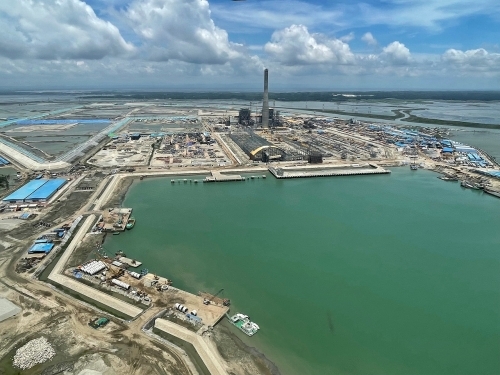
 মাতারবাড়ীতে প্রায় ১ বিলিয়ন মার্কিন ডলার ব্যয়ে পরিবেশবান্ধব ডকইয়ার্ড ও জাহাজ নির্মাণ কেন্দ্র স্থাপনের উদ্যোগে নীতিগত অনুমোদন দিয়েছে নৌপরিবহন মন্ত্রণালয়। এখন প্রকল্পটির কারিগরি ও আর্থিক মূল্যায়নের জন্য প্রস্তাবটি সরকারি-বেসরকারি অংশীদারত্ব (পিপিপি) কর্তৃপক্ষের কাছে পাঠানো হয়েছে। সম্পূর্ণ বেসরকারি অর্থায়নে সরকারি জমির মালিকানা অক্ষুণ্ন রেখে প্রকল্পটি বাস্তবায়নের পরিকল্পনা রয়েছে। বন্দর কর্তৃপক্ষ জানায়, […]
 Industry on alert over scam messages offering ships “safe passage” on Hormuz
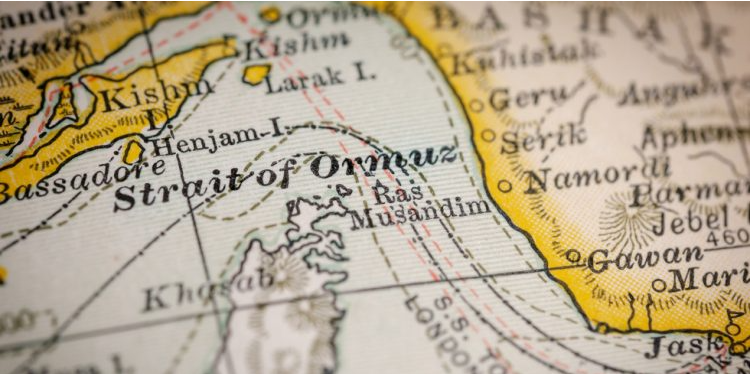
 Credit: Shutterstock Fraudulent messages offering safe passage through the Strait of Hormuz in exchange for cryptocurrency have been circulated to shipping companies with vessels stranded west of the waterway, according to MARISKS. In an alert issued on 20 April, MARISKS cautioned that unknown actors posing as Iranian authorities had contacted […]



JOB SITES
CONTENTS
LINKS
Happy New Year

Découvrez les avantages de MadCasino
Dans le monde des casinos en ligne, MadCasino se distingue par ses offres attrayantes et ses services de qualité. Que vous soyez un joueur débutant ou un parieur aguerri, vous trouverez ici une variété de jeux qui sauront satisfaire toutes vos envies. Les machines à sous, les jeux de table et les options de paris en direct sont tous disponibles pour vous offrir une expérience de jeu inégalée. De plus, le casino propose régulièrement des bonus qui permettent d'augmenter vos chances de gagner, vous offrant ainsi une excellente opportunité de maximiser vos gains.
En matière de sécurité, MadCasino est un nom de confiance. Il est entièrement licencié et régulé, ce qui garantit un environnement de jeu sûr et équitable. Les joueurs peuvent se concentrer sur leur expérience de jeu sans se soucier des problèmes de sécurité. Les transactions financières sont également sécurisées grâce à des technologies de pointe.
Les jeux proposés par MadCasino sont issus des développeurs les plus réputés de l'industrie, vous assurant des graphismes époustouflants et des mécaniques de jeu innovantes. Les joueurs peuvent également profiter d'une expérience de jeu en direct qui simule l'atmosphère d'un casino terrestre, tout en restant dans le confort de leur maison.
Enfin, la plateforme de MadCasino est optimisée pour les appareils mobiles, permettant aux joueurs de parier à tout moment et de n'importe où. Que vous soyez sur votre smartphone ou votre tablette, l'accès à vos jeux préférés n'a jamais été aussi simple. Ne manquez pas l'opportunité de découvrir ce casino exceptionnel.
Les offres de Cresus Casino
Cresus Casino est un autre acteur majeur dans le domaine des jeux en ligne, offrant des promotions généreuses et une vaste sélection de jeux. Les joueurs peuvent profiter d'une expérience de jeu enrichissante grâce aux nombreux bonus disponibles, qui sont conçus pour attirer tant les nouveaux utilisateurs que les joueurs réguliers. Ces avantages permettent non seulement de prolonger votre temps de jeu, mais aussi d'augmenter vos chances de gains conséquents.
Le casino se distingue également par sa ludothèque impressionnante, comprenant une sélection variée de machines à sous, de jeux de table et de jeux en direct. Les clients peuvent choisir parmi des titres populaires et appréciés, ainsi que des nouveautés qui enrichissent constamment l'offre. L'interface utilisateur est conviviale, rendant la navigation sur la plateforme fluide et agréable.
En termes de sécurité, Cresus Casino assure à ses joueurs un environnement de jeu fiable. La plateforme utilise des protocoles de sécurité avancés pour protéger les données personnelles et financières des utilisateurs. Cela permet aux joueurs de se sentir en sécurité tout en jouant à leurs jeux préférés.
Avec un service client réactif et professionnel, Cresus Casino s'assure que toutes vos questions et préoccupations sont traitées rapidement. Que ce soit pour des questions concernant les bonus, les retraits ou les jeux, vous bénéficierez d'une assistance rapide et efficace.
Explorez Nine Casino et ses avantages
Dans l'univers des casinos en ligne, Nine Casino a su se faire une place de choix grâce à son approche innovante et à ses nombreux avantages pour les joueurs. Les utilisateurs peuvent s'attendre à une expérience de jeu enrichissante, avec des bonus attractifs qui sont régulièrement mis à jour. Ces offres sont une excellente façon de découvrir de nouveaux jeux tout en maximisant votre potentiel de gain.
La plateforme de Nine Casino est riche en options de jeux, allant des machines à sous aux jeux de table, en passant par le live casino. Chaque jeu est conçu pour offrir une expérience immersive grâce à des graphismes de haute qualité et des fonctionnalités innovantes. Les parieurs peuvent profiter de sessions de jeu captivantes, comme s'ils étaient dans un véritable casino.
La sécurité est une priorité pour Nine Casino, qui utilise des technologies de cryptage avancées pour protéger les informations de ses joueurs. Cela garantit un environnement de jeu sûr et fiable, permettant aux utilisateurs de se concentrer sur ce qu'ils aiment le plus : jouer.
Enfin, le service clientèle fourni par Nine Casino est exceptionnel, avec des agents disponibles pour répondre à toutes vos questions et résoudre vos problèmes. Vous pourrez ainsi jouer en toute tranquillité, sachant que votre satisfaction est au cœur de leurs préoccupations.
Profitez de l'expérience Lucky31
Lucky31 est un casino en ligne qui se distingue par son approche orientée vers le joueur, offrant une multitude d'options de jeux et des bonus généreux. Que vous soyez amateur de machines à sous ou passionné de jeux de table, vous trouverez une large sélection pour satisfaire toutes vos envies de jeu. Les promotions fréquentes permettent aux joueurs de prolonger leur expérience tout en augmentant leurs chances de gains.
La convivialité de la plateforme de Lucky31 est l'un de ses plus grands atouts. Les joueurs peuvent naviguer facilement entre les différents jeux, et l'interface est conçue pour être intuitive, quel que soit le niveau d'expérience de l'utilisateur. De plus, le casino est entièrement optimisé pour les appareils mobiles, ce qui permet de parier où que vous soyez.
En matière de sécurité, Lucky31 prend les préoccupations des joueurs très au sérieux. Le casino est agréé et régulé, garantissant un environnement de jeu équitable et sécurisé. Les joueurs peuvent ainsi se concentrer sur leur expérience de jeu sans se soucier des risques liés à la sécurité.
Pour ceux qui recherchent un support client efficace, Lucky31 offre un service réactif et professionnel. Que ce soit pour des questions sur les bonus, les jeux ou les paiements, vous aurez accès à une assistance de qualité, vous garantissant une expérience de jeu fluide et agréable.