search the site


Marine authorities issue warnings as orca groups increasingly, according to reports, show aggressive behaviour toward passing vessels

Sophie’s writing reflects a blend of curiosity and gentle introspection. She sketches scenes shaped by subtle contrasts—soft light, passing sounds, shifting weather. Her approach emphasizes atmosphere over precision, welcoming readers into spaces that feel both familiar and slightly dreamlike.
Somewhere between the swell and the sky, a sailor’s voice drops half an octave. Orcas off the bow. Not just passing shadows this time, but circling, nudging, testing the hull like a locked door.
From Spain’s Atlantic coast to the chilly inlets off British Columbia, more reports land on the desks of marine authorities every week. Recreational sailors, fishermen, delivery skippers: different accents, same tremor in the voice. The pattern feels new, and it feels personal.
Marine authorities are beginning to sound less like bureaucrats and more like air-traffic controllers during a storm. Alerts, guidelines, real-time updates. The message is strangely simple, and deeply unsettling.
Orcas are changing the script.
Orcas are no longer just a distant splash on the horizon
On a grey morning off the coast of Galicia, Captain Miguel Fernández thought the banging under his feet was loose gear. Then the boat lurched sideways. An orca’s black-and-white back surfaced, impossibly close, followed by another and another.
“They knew exactly where to hit,” he later told local media. The rudder shook like a broken limb. His crew cut the engine, hearts hammering louder than the waves. The orcas didn’t leave immediately. They circled, bumped the hull a few more times, and then melted back into the water as if they’d lost interest.
For Miguel, that 15-minute encounter split his life at sea into a before and an after.
Across the North Atlantic, similar stories are piling up. Yachts losing their rudders off Portugal. Sailboats forced to call for rescue after repeated hits near the Strait of Gibraltar. The pattern repeats often enough that marine authorities now talk openly about an “interaction hotspot”.
Researchers say one orca in particular, a female known as White Gladis, might have kicked off this behaviour. Whether through trauma, curiosity, or sheer orca culture, her apparent “trend” spread to younger animals. Numbers vary, but some reports suggest dozens of vessels have been damaged in just a few seasons.
It’s not a Hollywood-style “killer whale” rampage. No humans have been reported killed in these incidents. Still, having a 5-tonne apex predator slam into your rudder at sea is not just a curious encounter. It can mean a lost steering system, a mayday call, and a very long night waiting for help.
Marine authorities walk a tightrope: they have to protect boaters without turning orcas into villains. So they’ve begun issuing alerts that sound almost like etiquette rules for an unruly, powerful neighbour.
How marine authorities want humans to respond at sea
When an orca pod appears, the official advice now looks surprisingly practical. First step: slow down. Cutting speed drops noise and turbulence, which may reduce excitement for the animals. Some captains even cut the engine entirely and let the current carry them.
Authorities recommend keeping movement predictable. No sharp turns, no sudden accelerations that can trigger chase behaviour. The goal is to look boring. Uninteresting. Like a rock in the water rather than a plaything to nudge, push, or dismantle.
In many notices, skippers are told to move crew away from the stern, where rudder blows tend to concentrate. Lifejackets, communication gear, emergency beacons – all those routine checks you swear you’ll do every trip suddenly matter.
On a June afternoon, a French couple sailing a 12-metre yacht off southern Portugal watched three orcas appear out of nowhere. They had read the new bulletins from the maritime coordination centre in Lisbon just days before.
They cut the engine. Pulled everyone inside the cockpit. Avoided shouting or banging on the hull. For nearly 20 minutes, the orcas nudged the rudder like curious teenagers testing a locked gate.
When it finally stopped, the rudder was damaged but intact. They radioed authorities, who logged yet another “aggressive interaction” and shared updated guidance with local marinas that same evening. This is how the new normal looks: near-real-time information, passed from shaken sailors to coast guards to the next crew heading out.
Statistically, these interactions remain rare compared with the thousands of safe passages each year through these waters. But humans are not wired to remember the quiet journeys. We remember the tail slamming into fibreglass, the crunch underfoot, the sick lurch of losing control at sea.
Marine authorities now combine those emotional testimonies with AIS vessel tracking, photo IDs of individual whales, and video recordings from phones. They’re not just counting incidents; they’re mapping behaviour. Where do the orcas approach? How long do they stay? Do they target certain boat sizes or rudder types?
Patterns start to emerge. Many interactions cluster around specific routes off Spain and Portugal. Smaller sailboats with spade rudders seem to draw more interest. Some pods show almost surgical precision, heading straight for the steering gear as if they know exactly how boats work.
Scientists caution against using words like “revenge” or “attack”. They talk about learning, culture, and play. Boaters talk about fear. Somewhere between those two experiences, authorities have to write the rules.
Staying safe without turning the ocean into a battleground
So what do the new alerts really ask of people heading out on the water? At their core, they promote one simple tactic: de-escalation. If orcas appear and move toward the stern, the recommended response is almost counterintuitive. Don’t try to outrun them. Don’t yank the wheel in panic.
Cut the engine or drop to minimal speed. Bring crew inside or at least away from the back of the boat. Secure anything that might fall if the hull jolts. Then, as hard as it feels, wait. The orcas usually tire of the game and move on after a short burst of interaction.
Harbour masters now suggest that skippers plan routes with updated orca maps in mind. Some sailors choose more coastal routes, keeping closer to rescue services, even if it means slower progress. Others travel in loose pairs or groups, knowing that a second boat nearby can make all the difference if steering fails.
Not every guideline is followed to the letter. Some sailors bang on hulls, blast music, or try acoustic deterrents out of pure stress. Soyons honnêtes : personne ne fait vraiment ça tous les jours, de répéter calmement le protocole dans une mer agitée avec un animal de six tonnes collé au safran.
We’ve all lived that moment when theory and reality suddenly part ways. You watched the videos, skimmed the alerts, nodded along. Then your rudder shudders under the weight of an orca’s head and your brain goes blank.
Authorities know this. So their latest communications emphasise compassion as much as instruction. They remind sailors that panic is human, that calling for help early is not a failure, and that sharing imperfect experiences still helps the next crew.
“We’re not asking people to become orca experts overnight,” says one Spanish coast guard officer in an internal memo shared with local media. “We’re asking them to stay alive, stay calm if they can, and tell us exactly what happened when they’re safely back in port.”
New guidelines in some regions now include easy pre-departure habits. A quick mental checklist before leaving the marina. A written copy of emergency channels taped by the radio. A laminated card with orca-interaction steps clipped near the helm, because phone batteries die and hands shake.
- Check local notices to mariners for recent orca sightings or incidents.
- Review emergency calls: channel, wording, and backup options.
- Stow loose gear and secure heavy items that could shift if the boat jolts.
- Agree on roles with crew: who radios, who manages lifejackets, who watches the stern.
- Keep a basic tool kit ready in case steering or rudder fittings need quick attention.
*None of this eliminates risk.* What it does is shorten the distance between surprise and action. That thin gap where fear grows fastest is where preparation quietly pays off.
A new relationship with an old ocean neighbour
When marine authorities issue alerts about orca behaviour, they’re not just talking about whales. They’re talking about our place out there. Humans have crossed these same waters for centuries, convinced that ships ruled the sea. Lately, a few orcas seem to be rewriting the terms of that deal.
For some sailors, this shift feels like a loss of innocence. The ocean was already unpredictable – storms, currents, hidden reefs – but it didn’t feel intentional. Now there’s a living, thinking creature targeting the one part of the boat that keeps you in control. It hits a different nerve.
For scientists, this is a rare window into how quickly a cultural behaviour can spread in a wild population. For policymakers, it’s a headache of legal and ethical knots. You protect a vulnerable species. You also protect lives and livelihoods. You try not to turn fear into hatred, or caution into myth.
And for ordinary readers following these stories on their phones, there’s something strangely intimate in watching this unfold. The ocean is no longer just postcard blue or disaster-movie black. It’s a place where a pod of orcas might decide that your rudder is today’s puzzle.
Maybe that’s why these alerts travel so far online. They carry a quiet invitation: to talk about coexistence before conflict, to respect power without romanticising it, to admit that we still don’t fully understand the neighbours beneath our keels. Sharing those questions – over coffee, in sailing forums, in late-night group chats – might be the start of living with this new reality, rather than just being afraid of it.
source : feplumbingheatingltd.
Featured Post
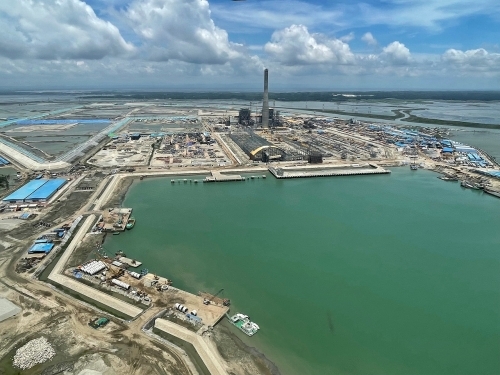 বড় জাহাজ মেরামতে মাতারবাড়ীতে ১ বিলিয়ন ডলারের প্রকল্প
 মাতারবাড়ীতে প্রায় ১ বিলিয়ন মার্কিন ডলার ব্যয়ে পরিবেশবান্ধব ডকইয়ার্ড ও জাহাজ নির্মাণ কেন্দ্র স্থাপনের উদ্যোগে নীতিগত অনুমোদন দিয়েছে নৌপরিবহন মন্ত্রণালয়। এখন প্রকল্পটির কারিগরি ও আর্থিক মূল্যায়নের জন্য প্রস্তাবটি সরকারি-বেসরকারি অংশীদারত্ব (পিপিপি) কর্তৃপক্ষের কাছে পাঠানো হয়েছে। সম্পূর্ণ বেসরকারি অর্থায়নে সরকারি জমির মালিকানা অক্ষুণ্ন রেখে প্রকল্পটি বাস্তবায়নের পরিকল্পনা রয়েছে। বন্দর কর্তৃপক্ষ জানায়, […]
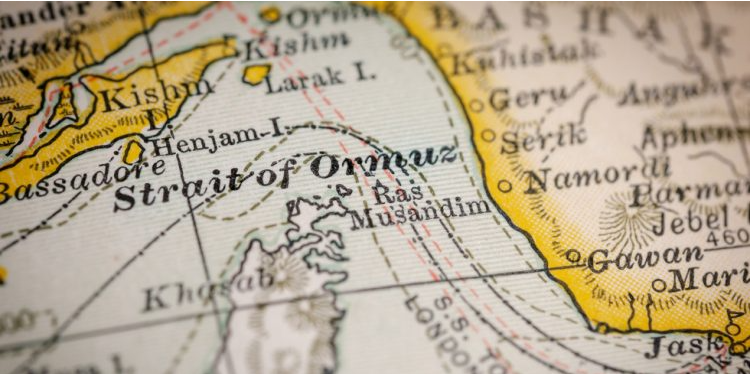 Industry on alert over scam messages offering ships “safe passage” on Hormuz
 Credit: Shutterstock Fraudulent messages offering safe passage through the Strait of Hormuz in exchange for cryptocurrency have been circulated to shipping companies with vessels stranded west of the waterway, according to MARISKS. In an alert issued on 20 April, MARISKS cautioned that unknown actors posing as Iranian authorities had contacted […]



JOB SITES
CONTENTS
LINKS
Happy New Year

Découvrez les avantages de MadCasino
Dans le monde des casinos en ligne, MadCasino se distingue par ses offres attrayantes et ses services de qualité. Que vous soyez un joueur débutant ou un parieur aguerri, vous trouverez ici une variété de jeux qui sauront satisfaire toutes vos envies. Les machines à sous, les jeux de table et les options de paris en direct sont tous disponibles pour vous offrir une expérience de jeu inégalée. De plus, le casino propose régulièrement des bonus qui permettent d'augmenter vos chances de gagner, vous offrant ainsi une excellente opportunité de maximiser vos gains.
En matière de sécurité, MadCasino est un nom de confiance. Il est entièrement licencié et régulé, ce qui garantit un environnement de jeu sûr et équitable. Les joueurs peuvent se concentrer sur leur expérience de jeu sans se soucier des problèmes de sécurité. Les transactions financières sont également sécurisées grâce à des technologies de pointe.
Les jeux proposés par MadCasino sont issus des développeurs les plus réputés de l'industrie, vous assurant des graphismes époustouflants et des mécaniques de jeu innovantes. Les joueurs peuvent également profiter d'une expérience de jeu en direct qui simule l'atmosphère d'un casino terrestre, tout en restant dans le confort de leur maison.
Enfin, la plateforme de MadCasino est optimisée pour les appareils mobiles, permettant aux joueurs de parier à tout moment et de n'importe où. Que vous soyez sur votre smartphone ou votre tablette, l'accès à vos jeux préférés n'a jamais été aussi simple. Ne manquez pas l'opportunité de découvrir ce casino exceptionnel.
Les offres de Cresus Casino
Cresus Casino est un autre acteur majeur dans le domaine des jeux en ligne, offrant des promotions généreuses et une vaste sélection de jeux. Les joueurs peuvent profiter d'une expérience de jeu enrichissante grâce aux nombreux bonus disponibles, qui sont conçus pour attirer tant les nouveaux utilisateurs que les joueurs réguliers. Ces avantages permettent non seulement de prolonger votre temps de jeu, mais aussi d'augmenter vos chances de gains conséquents.
Le casino se distingue également par sa ludothèque impressionnante, comprenant une sélection variée de machines à sous, de jeux de table et de jeux en direct. Les clients peuvent choisir parmi des titres populaires et appréciés, ainsi que des nouveautés qui enrichissent constamment l'offre. L'interface utilisateur est conviviale, rendant la navigation sur la plateforme fluide et agréable.
En termes de sécurité, Cresus Casino assure à ses joueurs un environnement de jeu fiable. La plateforme utilise des protocoles de sécurité avancés pour protéger les données personnelles et financières des utilisateurs. Cela permet aux joueurs de se sentir en sécurité tout en jouant à leurs jeux préférés.
Avec un service client réactif et professionnel, Cresus Casino s'assure que toutes vos questions et préoccupations sont traitées rapidement. Que ce soit pour des questions concernant les bonus, les retraits ou les jeux, vous bénéficierez d'une assistance rapide et efficace.
Explorez Nine Casino et ses avantages
Dans l'univers des casinos en ligne, Nine Casino a su se faire une place de choix grâce à son approche innovante et à ses nombreux avantages pour les joueurs. Les utilisateurs peuvent s'attendre à une expérience de jeu enrichissante, avec des bonus attractifs qui sont régulièrement mis à jour. Ces offres sont une excellente façon de découvrir de nouveaux jeux tout en maximisant votre potentiel de gain.
La plateforme de Nine Casino est riche en options de jeux, allant des machines à sous aux jeux de table, en passant par le live casino. Chaque jeu est conçu pour offrir une expérience immersive grâce à des graphismes de haute qualité et des fonctionnalités innovantes. Les parieurs peuvent profiter de sessions de jeu captivantes, comme s'ils étaient dans un véritable casino.
La sécurité est une priorité pour Nine Casino, qui utilise des technologies de cryptage avancées pour protéger les informations de ses joueurs. Cela garantit un environnement de jeu sûr et fiable, permettant aux utilisateurs de se concentrer sur ce qu'ils aiment le plus : jouer.
Enfin, le service clientèle fourni par Nine Casino est exceptionnel, avec des agents disponibles pour répondre à toutes vos questions et résoudre vos problèmes. Vous pourrez ainsi jouer en toute tranquillité, sachant que votre satisfaction est au cœur de leurs préoccupations.
Profitez de l'expérience Lucky31
Lucky31 est un casino en ligne qui se distingue par son approche orientée vers le joueur, offrant une multitude d'options de jeux et des bonus généreux. Que vous soyez amateur de machines à sous ou passionné de jeux de table, vous trouverez une large sélection pour satisfaire toutes vos envies de jeu. Les promotions fréquentes permettent aux joueurs de prolonger leur expérience tout en augmentant leurs chances de gains.
La convivialité de la plateforme de Lucky31 est l'un de ses plus grands atouts. Les joueurs peuvent naviguer facilement entre les différents jeux, et l'interface est conçue pour être intuitive, quel que soit le niveau d'expérience de l'utilisateur. De plus, le casino est entièrement optimisé pour les appareils mobiles, ce qui permet de parier où que vous soyez.
En matière de sécurité, Lucky31 prend les préoccupations des joueurs très au sérieux. Le casino est agréé et régulé, garantissant un environnement de jeu équitable et sécurisé. Les joueurs peuvent ainsi se concentrer sur leur expérience de jeu sans se soucier des risques liés à la sécurité.
Pour ceux qui recherchent un support client efficace, Lucky31 offre un service réactif et professionnel. Que ce soit pour des questions sur les bonus, les jeux ou les paiements, vous aurez accès à une assistance de qualité, vous garantissant une expérience de jeu fluide et agréable.