
search the site


This 5,000-tonne Dutch cargo ship stuck for six weeks in Arctic ice was freed before taking a detour to finish its voyage

After six tense weeks immobilised in the Northwest Passage, the Netherlands-flagged Thamesborg has restarted its journey. The freighter left its icy trap under escort and shifted to an alternative route via Bellot Strait before turning south toward the North Atlantic and Canadian ports.
A hard-won release in brutal conditions
Salvors refloated the Thamesborg on 9 October after a meticulous, heavy-weather operation. Teams reloaded roughly 5,000 tonnes of cargo to rebalance the hull. They pumped out flooded ballast tanks and stabilised the structure using specialised gear flown in and ferried by the Estonian icebreaker Botnica. Divers inspected welds and frames in a sheltered arm, Wrottesley Inlet, before the convoy advanced.
The escort included a dedicated icebreaker and two tugs. They cleared brash ice ahead and maintained controlled speed through tidal narrows. Engineers monitored hull stresses and temperature swings that can widen small fractures. Crew rotated on short watches to manage fatigue and frost risk.
Refloated on 9 October after six weeks aground and iced-in. Cargo reloaded, ballasts pumped, hull checks completed at Wrottesley Inlet, then escorted out by an icebreaker and two tugs.
- Ship: Thamesborg (Dutch cargo ship)
- Tonnage moved during stabilisation: about 5,000 tonnes
- Refloat date: 9 October
- Escort: one icebreaker, two tugs
- Planned southbound route: via Bellot Strait, Baffin Bay, Davis Strait
- Expected call: Baie-Comeau, Québec, around 24 October, subject to weather and ice
A narrow, nervy exit through Bellot Strait
To avoid the first freeze-up in Barrow Strait, the convoy took a tighter path: Bellot Strait. The channel links the Gulf of Boothia to Brentford Bay and compresses water through a corridor only about 1.1 nautical miles across. Cliffs rise steeply on each shore. Tides flip the current within minutes, which can swing a ship’s head off course if timing slips.
Bellot Strait is a short, knife-edge corridor: roughly 13.5 nautical miles long, about 2 km wide at its narrowest, with currents up to 8 knots at peak flow.
Why Bellot, not Barrow
Barrow Strait locks early when polar ice arches stabilise near Lancaster Sound. That traps floes in choke points and blocks southbound windows. Bellot Strait, by contrast, can present a brief gap aligned with high water. With a strong escort and local ice pilots, that window offered a safer exit this week than lingering to the west for a wider, later gate.
What the transit demanded
The convoy used high water for slackened flow and better depth. Pilots kept speed near 9 knots, roughly 17 km/h, to maintain steerage without overloading the towlines. Radar and thermal cameras scanned for bergy bits in shadow. The icebreaker’s hull acted as a buffer where cross-currents bit. Bridge teams called distances constantly, and anchors stood ready for an emergency let-go.
From Cold War waypoint to modern escape hatch
Bellot Strait entered modern charts as a strategic alternative in 1957. Canadian patrols mapped it as an emergency back-door for ships supplying DEW Line radar sites during the Cold War. Mariners from Canada and the United States trained to use it when Beaufort and Barrow bottlenecked under fresh ice.
The United States Coast Guard cutter Storis, with Spar and Bramble, completed a pioneering Northwest Passage transit that same year. The original Storis later retired after decades of high-latitude patrols. A new namesake rejoined service in 2025, a neat echo in a region still ruled by currents, rock and moving ice.
Costs, risks and the changing Arctic
The Thamesborg incident lays bare a hard truth. Even in a warming Arctic, the calendar does not guarantee an easy crossing. Charts remain sparse in many shoal-filled reaches. Tidal ranges shift the sand and gravel beds. Winds shear ridged floes into narrows without warning. Each of those factors multiplies the margin for error during a grounding or tow.
Salvage in polar conditions consumes people and money at pace. Icebreakers, tugs, divers and flying spares add up quickly. Daily costs often run into the tens of thousands, sometimes more if aircraft must sling heavy gear. Insurers now price Arctic transits with careful attention to season, escort availability and a ship’s ice class.
| Risk | Typical trigger | Mitigation |
|---|---|---|
| Grounding on uncharted shoals | Under-keel clearance misread during tide swing | Local pilots, tidal gates, forward-looking sonar |
| Hull stress in brash ice | Repeated side impacts in cross-currents | Escort shielding, speed control, hull temperature monitoring |
| Ice convergence in choke points | Wind shift or pressure ridge formation | Routing via alternate narrows, rapid reversal plans |
| Delay escalation | Weather window closes during inspection | Pre-staged spares, rotating teams, flexible port ETA |
What operators can do now
- Plan for a second exit option and pre-clear pilots for both.
- Validate under-keel clearance with real-time tide data at narrows.
- Stage tow gear, fenders and thermal kits before high-risk legs.
- Agree a salvage trigger matrix with insurers before transit.
- Engage with communities for ice reports and sensitive-area routing.
What happens next for the Thamesborg
The convoy is tracking south through Baffin Bay toward Davis Strait. Weather windows there change fast in October, with gale cycles every few days. The schedule points to a Baie-Comeau arrival around 24 October, subject to sea state and any extra surveys. Port authorities typically order another round of inspections after such an ordeal.
Engineers will assess coatings, frames and shaft alignment once alongside. Temporary patches, if used, may give way to permanent steel and fresh welds. Cargo lashings will get a close look due to the reload at the refloat site. Crew welfare checks follow as standard after extended cold operations.
A few practical takeaways for Arctic season planners
Ice pilotage works best with crisp, shared numbers. Teams should define tidal gates, speed bands and abort points before entering a narrows. A simple rule helps in channels like Bellot: aim to cross the trickiest section within a 45–60 minute window centred on local high water, unless local guidance states otherwise.
Budget lines deserve a reality check as well. Build a delay buffer worth several weather cycles, not just one. That means three to five days in October on these routes. Give charterers an ETA range, not a single date. The communication feels conservative, but it keeps trust when the barometer drops and plans change.
Arctic shortcuts cut distance, not complexity. Windows are narrow, charts are improving but incomplete, and every narrows has a personality you must respect.
The wider picture for northern trade
Shorter great-circle routes tempt shippers with fuel savings and lower emissions. Those gains erode when a voyage stalls behind early freeze-up or a salvage evolves. The Polar Code sets a safety baseline, yet it cannot replace local knowledge or an escort’s steel. The Thamesborg’s detour shows how a narrow strait, chosen well and timed right, can turn a season around without adding risk.
For readers tracking northern logistics, a small glossary helps. “Slack water” marks the brief tide changeover when currents ease. “Brash ice” refers to broken floes smaller than growlers that still hammer plates in cross-currents. And “DEW Line” names the radar chain that once shaped many of today’s Arctic resupply routes. Those terms, and the practices behind them, still steer decisions on every autumn transit across the top of the world.
source : hisgardenmaintenance
Featured Post
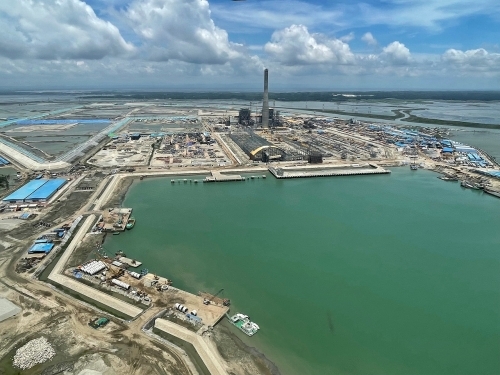 বড় জাহাজ মেরামতে মাতারবাড়ীতে ১ বিলিয়ন ডলারের প্রকল্প
 মাতারবাড়ীতে প্রায় ১ বিলিয়ন মার্কিন ডলার ব্যয়ে পরিবেশবান্ধব ডকইয়ার্ড ও জাহাজ নির্মাণ কেন্দ্র স্থাপনের উদ্যোগে নীতিগত অনুমোদন দিয়েছে নৌপরিবহন মন্ত্রণালয়। এখন প্রকল্পটির কারিগরি ও আর্থিক মূল্যায়নের জন্য প্রস্তাবটি সরকারি-বেসরকারি অংশীদারত্ব (পিপিপি) কর্তৃপক্ষের কাছে পাঠানো হয়েছে। সম্পূর্ণ বেসরকারি অর্থায়নে সরকারি জমির মালিকানা অক্ষুণ্ন রেখে প্রকল্পটি বাস্তবায়নের পরিকল্পনা রয়েছে। বন্দর কর্তৃপক্ষ জানায়, […]
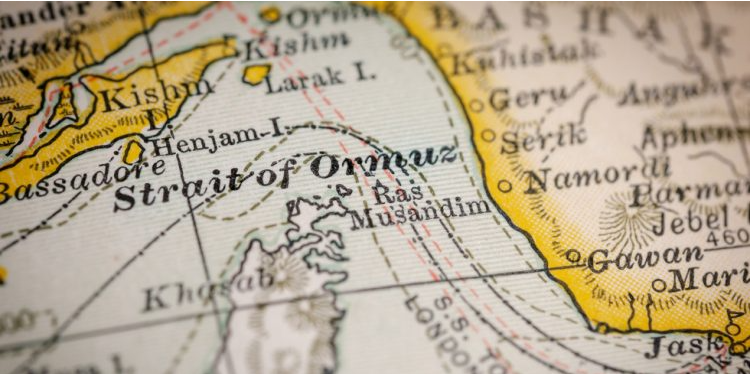 Industry on alert over scam messages offering ships “safe passage” on Hormuz
 Credit: Shutterstock Fraudulent messages offering safe passage through the Strait of Hormuz in exchange for cryptocurrency have been circulated to shipping companies with vessels stranded west of the waterway, according to MARISKS. In an alert issued on 20 April, MARISKS cautioned that unknown actors posing as Iranian authorities had contacted […]



JOB SITES
CONTENTS
LINKS
Happy New Year

Découvrez les avantages de MadCasino
Dans le monde des casinos en ligne, MadCasino se distingue par ses offres attrayantes et ses services de qualité. Que vous soyez un joueur débutant ou un parieur aguerri, vous trouverez ici une variété de jeux qui sauront satisfaire toutes vos envies. Les machines à sous, les jeux de table et les options de paris en direct sont tous disponibles pour vous offrir une expérience de jeu inégalée. De plus, le casino propose régulièrement des bonus qui permettent d'augmenter vos chances de gagner, vous offrant ainsi une excellente opportunité de maximiser vos gains.
En matière de sécurité, MadCasino est un nom de confiance. Il est entièrement licencié et régulé, ce qui garantit un environnement de jeu sûr et équitable. Les joueurs peuvent se concentrer sur leur expérience de jeu sans se soucier des problèmes de sécurité. Les transactions financières sont également sécurisées grâce à des technologies de pointe.
Les jeux proposés par MadCasino sont issus des développeurs les plus réputés de l'industrie, vous assurant des graphismes époustouflants et des mécaniques de jeu innovantes. Les joueurs peuvent également profiter d'une expérience de jeu en direct qui simule l'atmosphère d'un casino terrestre, tout en restant dans le confort de leur maison.
Enfin, la plateforme de MadCasino est optimisée pour les appareils mobiles, permettant aux joueurs de parier à tout moment et de n'importe où. Que vous soyez sur votre smartphone ou votre tablette, l'accès à vos jeux préférés n'a jamais été aussi simple. Ne manquez pas l'opportunité de découvrir ce casino exceptionnel.
Les offres de Cresus Casino
Cresus Casino est un autre acteur majeur dans le domaine des jeux en ligne, offrant des promotions généreuses et une vaste sélection de jeux. Les joueurs peuvent profiter d'une expérience de jeu enrichissante grâce aux nombreux bonus disponibles, qui sont conçus pour attirer tant les nouveaux utilisateurs que les joueurs réguliers. Ces avantages permettent non seulement de prolonger votre temps de jeu, mais aussi d'augmenter vos chances de gains conséquents.
Le casino se distingue également par sa ludothèque impressionnante, comprenant une sélection variée de machines à sous, de jeux de table et de jeux en direct. Les clients peuvent choisir parmi des titres populaires et appréciés, ainsi que des nouveautés qui enrichissent constamment l'offre. L'interface utilisateur est conviviale, rendant la navigation sur la plateforme fluide et agréable.
En termes de sécurité, Cresus Casino assure à ses joueurs un environnement de jeu fiable. La plateforme utilise des protocoles de sécurité avancés pour protéger les données personnelles et financières des utilisateurs. Cela permet aux joueurs de se sentir en sécurité tout en jouant à leurs jeux préférés.
Avec un service client réactif et professionnel, Cresus Casino s'assure que toutes vos questions et préoccupations sont traitées rapidement. Que ce soit pour des questions concernant les bonus, les retraits ou les jeux, vous bénéficierez d'une assistance rapide et efficace.
Explorez Nine Casino et ses avantages
Dans l'univers des casinos en ligne, Nine Casino a su se faire une place de choix grâce à son approche innovante et à ses nombreux avantages pour les joueurs. Les utilisateurs peuvent s'attendre à une expérience de jeu enrichissante, avec des bonus attractifs qui sont régulièrement mis à jour. Ces offres sont une excellente façon de découvrir de nouveaux jeux tout en maximisant votre potentiel de gain.
La plateforme de Nine Casino est riche en options de jeux, allant des machines à sous aux jeux de table, en passant par le live casino. Chaque jeu est conçu pour offrir une expérience immersive grâce à des graphismes de haute qualité et des fonctionnalités innovantes. Les parieurs peuvent profiter de sessions de jeu captivantes, comme s'ils étaient dans un véritable casino.
La sécurité est une priorité pour Nine Casino, qui utilise des technologies de cryptage avancées pour protéger les informations de ses joueurs. Cela garantit un environnement de jeu sûr et fiable, permettant aux utilisateurs de se concentrer sur ce qu'ils aiment le plus : jouer.
Enfin, le service clientèle fourni par Nine Casino est exceptionnel, avec des agents disponibles pour répondre à toutes vos questions et résoudre vos problèmes. Vous pourrez ainsi jouer en toute tranquillité, sachant que votre satisfaction est au cœur de leurs préoccupations.
Profitez de l'expérience Lucky31
Lucky31 est un casino en ligne qui se distingue par son approche orientée vers le joueur, offrant une multitude d'options de jeux et des bonus généreux. Que vous soyez amateur de machines à sous ou passionné de jeux de table, vous trouverez une large sélection pour satisfaire toutes vos envies de jeu. Les promotions fréquentes permettent aux joueurs de prolonger leur expérience tout en augmentant leurs chances de gains.
La convivialité de la plateforme de Lucky31 est l'un de ses plus grands atouts. Les joueurs peuvent naviguer facilement entre les différents jeux, et l'interface est conçue pour être intuitive, quel que soit le niveau d'expérience de l'utilisateur. De plus, le casino est entièrement optimisé pour les appareils mobiles, ce qui permet de parier où que vous soyez.
En matière de sécurité, Lucky31 prend les préoccupations des joueurs très au sérieux. Le casino est agréé et régulé, garantissant un environnement de jeu équitable et sécurisé. Les joueurs peuvent ainsi se concentrer sur leur expérience de jeu sans se soucier des risques liés à la sécurité.
Pour ceux qui recherchent un support client efficace, Lucky31 offre un service réactif et professionnel. Que ce soit pour des questions sur les bonus, les jeux ou les paiements, vous aurez accès à une assistance de qualité, vous garantissant une expérience de jeu fluide et agréable.