search the site


The hidden costs of shore leave neglect
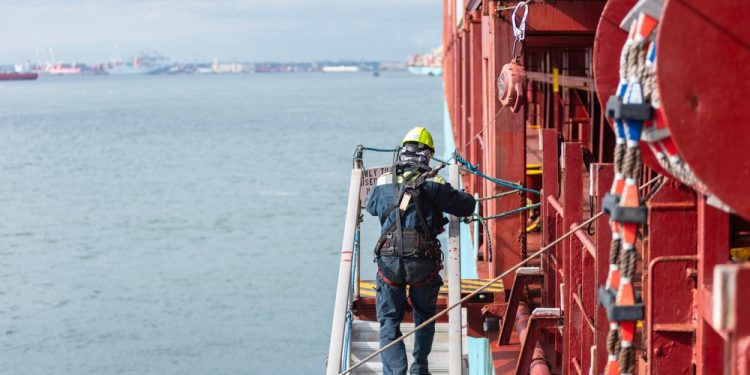
The latest results from the Seafarers Happiness Index (SHI) indicate that crew wellbeing is once more declining. According to Ben Bailey, Director of Programme at the Mission to Seafarers, a key problem driving this downturn – and one that is both symbolic and severely harmful – is the continued reduction of shore leave.
Few people think about the workforce that makes global commerce possible, but nearly two million seafarers operate at the centre of it every single day. These individuals shoulder long hours, hazardous conditions, and profound isolation as they move goods across oceans. Yet the newest findings from the Seafarers Happiness Index (SHI) show that their wellbeing is slipping once again, and one recurring issue stands out as both symbolic and deeply damaging – the ongoing erosion of shore leave, Ben Bailey, Director of Programme, Mission to Seafarers highlights.
The Q3 2025 SHI results reveal a troubling reversal. After some early-year improvements, the latest quarter shows a steep decline in overall happiness across virtually every dimension of life at sea.
Concerns over workload, rest, training opportunities, food quality, and even wages have intensified. But the steepest and most worrying drop lies in access to time ashore.
In port after port, seafarers are finding it harder to leave their vessels. Brutally short port stays, ramped-up security protocols, and expensive or non-existent transport options mean that disembarking has become an elusive privilege rather than an expected part of the job. Some mariners went so far as to describe their vessels as “floating prisons”, a metaphor no industry committed to safety and sustainability should ever ignore.
Workloads are rising while crews are stretched thinner than ever. When meaningful rest disappears, fatigue becomes ingrained and morale dips sharply. Without shore leave, these pressures multiply. Living and working in the same confined metal environment for months at a time without reprieve erodes both resilience and identity. Shore leave is not a perk; it is a pressure valve.
The human cost of being permanently confined
For seafarers, they can just as easily become places of confinement. Their cabin doubles as their home, workplace, and personal refuge, yet seldom provides a true psychological break. The latest Index highlights worsening scores for physical wellbeing and exercise, and many crew spoke openly of chronic tiredness, insufficient rest, and tightening cost constraints that affect even the quality of their meals.
These individual accounts form a broader pattern. If the maritime workforce is expected to remain competent, alert, and motivated, it must be given the basic conditions necessary for healthy living. Regular access to shore leave is at the heart of that requirement. Without it, the industry risks perpetuating a cycle of decline that threatens its long-term workforce stability.
Critically, a lack of rest harms individuals and undermines safety.
With up to 80% of maritime accidents linked to human error, limiting rest opportunities is a direct threat to operational integrity. Shore leave should therefore sit alongside maintenance checks and safety audits as a core requirement, not an optional extra squeezed out by tight schedules.
Closing the gap in support
At the MtS, teams across more than 200 ports are working relentlessly to support those who cannot leave their ships. In 2024 alone, the MtS made tens of thousands of ship visits, providing everything from transport to Wi-Fi to pastoral care. Flying Angel Centres continue to serve as critical hubs for rest and connection.
But even the best land-based support cannot replicate what a simple visit on shore provides – the chance to step away, clear one’s mind, and reconnect with the world beyond the steel walls of a ship. Welfare services can offer varied and crucial support, but they cannot substitute true freedom of movement.
The latest SHI findings should be interpreted as a direct call for action. To truly support crew welfare, the maritime community must reclaim shore leave as a right grounded in safety, wellbeing, and dignity.
This means scheduling operational windows that guarantee disembarkation time, ensuring ports provide safe and affordable access routes for crew, and recognising psychological wellbeing as an essential element of maritime safety protocols. It also requires easing access for welfare organisations so that no crew becomes trapped in isolation while docked mere metres from shore.
Shipping has shown remarkable agility in confronting decarbonisation and digital transformation. The same level of commitment must now be applied to the people who operate the vessels and machinery upon which global trade depends.
The Q3 2025 Seafarers Happiness Index is more than a report, it is a warning. When the wellbeing of seafarers deteriorates, the entire maritime ecosystem is placed at risk. Their safety, motivation, and mental health are inseparable from the safety of the world’s oceans and supply chains.
Shore leave must once again become a protected, predictable, and universal part of life at sea. When seafarers are trusted with the chance to rest and reconnect, we uphold not only their dignity but the standards and safety of the industry at large. Reinstating reliable access to shore leave is one of the clearest steps the sector can take to safeguard its future, and honour the people who keep the world moving.
source : safety4sea
Featured Post
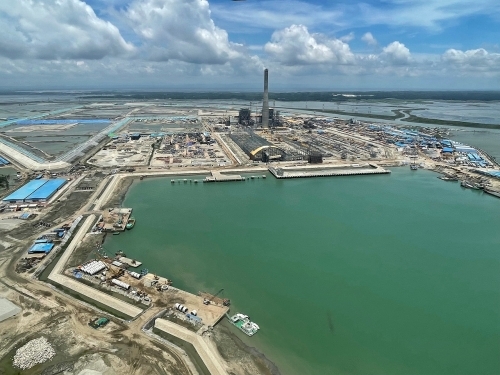 বড় জাহাজ মেরামতে মাতারবাড়ীতে ১ বিলিয়ন ডলারের প্রকল্প
 মাতারবাড়ীতে প্রায় ১ বিলিয়ন মার্কিন ডলার ব্যয়ে পরিবেশবান্ধব ডকইয়ার্ড ও জাহাজ নির্মাণ কেন্দ্র স্থাপনের উদ্যোগে নীতিগত অনুমোদন দিয়েছে নৌপরিবহন মন্ত্রণালয়। এখন প্রকল্পটির কারিগরি ও আর্থিক মূল্যায়নের জন্য প্রস্তাবটি সরকারি-বেসরকারি অংশীদারত্ব (পিপিপি) কর্তৃপক্ষের কাছে পাঠানো হয়েছে। সম্পূর্ণ বেসরকারি অর্থায়নে সরকারি জমির মালিকানা অক্ষুণ্ন রেখে প্রকল্পটি বাস্তবায়নের পরিকল্পনা রয়েছে। বন্দর কর্তৃপক্ষ জানায়, […]
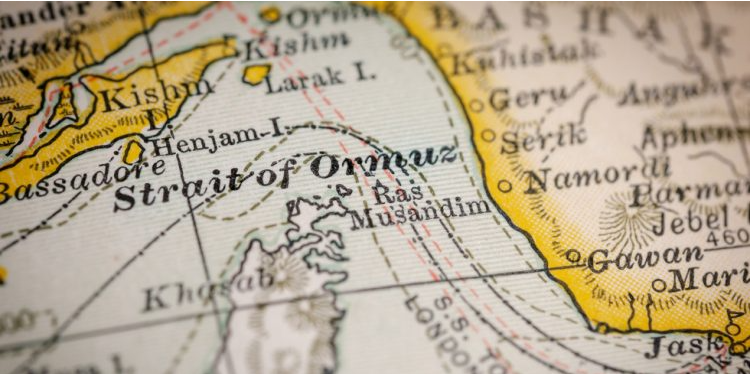 Industry on alert over scam messages offering ships “safe passage” on Hormuz
 Credit: Shutterstock Fraudulent messages offering safe passage through the Strait of Hormuz in exchange for cryptocurrency have been circulated to shipping companies with vessels stranded west of the waterway, according to MARISKS. In an alert issued on 20 April, MARISKS cautioned that unknown actors posing as Iranian authorities had contacted […]



JOB SITES
CONTENTS
LINKS
Happy New Year

Découvrez les avantages de MadCasino
Dans le monde des casinos en ligne, MadCasino se distingue par ses offres attrayantes et ses services de qualité. Que vous soyez un joueur débutant ou un parieur aguerri, vous trouverez ici une variété de jeux qui sauront satisfaire toutes vos envies. Les machines à sous, les jeux de table et les options de paris en direct sont tous disponibles pour vous offrir une expérience de jeu inégalée. De plus, le casino propose régulièrement des bonus qui permettent d'augmenter vos chances de gagner, vous offrant ainsi une excellente opportunité de maximiser vos gains.
En matière de sécurité, MadCasino est un nom de confiance. Il est entièrement licencié et régulé, ce qui garantit un environnement de jeu sûr et équitable. Les joueurs peuvent se concentrer sur leur expérience de jeu sans se soucier des problèmes de sécurité. Les transactions financières sont également sécurisées grâce à des technologies de pointe.
Les jeux proposés par MadCasino sont issus des développeurs les plus réputés de l'industrie, vous assurant des graphismes époustouflants et des mécaniques de jeu innovantes. Les joueurs peuvent également profiter d'une expérience de jeu en direct qui simule l'atmosphère d'un casino terrestre, tout en restant dans le confort de leur maison.
Enfin, la plateforme de MadCasino est optimisée pour les appareils mobiles, permettant aux joueurs de parier à tout moment et de n'importe où. Que vous soyez sur votre smartphone ou votre tablette, l'accès à vos jeux préférés n'a jamais été aussi simple. Ne manquez pas l'opportunité de découvrir ce casino exceptionnel.
Les offres de Cresus Casino
Cresus Casino est un autre acteur majeur dans le domaine des jeux en ligne, offrant des promotions généreuses et une vaste sélection de jeux. Les joueurs peuvent profiter d'une expérience de jeu enrichissante grâce aux nombreux bonus disponibles, qui sont conçus pour attirer tant les nouveaux utilisateurs que les joueurs réguliers. Ces avantages permettent non seulement de prolonger votre temps de jeu, mais aussi d'augmenter vos chances de gains conséquents.
Le casino se distingue également par sa ludothèque impressionnante, comprenant une sélection variée de machines à sous, de jeux de table et de jeux en direct. Les clients peuvent choisir parmi des titres populaires et appréciés, ainsi que des nouveautés qui enrichissent constamment l'offre. L'interface utilisateur est conviviale, rendant la navigation sur la plateforme fluide et agréable.
En termes de sécurité, Cresus Casino assure à ses joueurs un environnement de jeu fiable. La plateforme utilise des protocoles de sécurité avancés pour protéger les données personnelles et financières des utilisateurs. Cela permet aux joueurs de se sentir en sécurité tout en jouant à leurs jeux préférés.
Avec un service client réactif et professionnel, Cresus Casino s'assure que toutes vos questions et préoccupations sont traitées rapidement. Que ce soit pour des questions concernant les bonus, les retraits ou les jeux, vous bénéficierez d'une assistance rapide et efficace.
Explorez Nine Casino et ses avantages
Dans l'univers des casinos en ligne, Nine Casino a su se faire une place de choix grâce à son approche innovante et à ses nombreux avantages pour les joueurs. Les utilisateurs peuvent s'attendre à une expérience de jeu enrichissante, avec des bonus attractifs qui sont régulièrement mis à jour. Ces offres sont une excellente façon de découvrir de nouveaux jeux tout en maximisant votre potentiel de gain.
La plateforme de Nine Casino est riche en options de jeux, allant des machines à sous aux jeux de table, en passant par le live casino. Chaque jeu est conçu pour offrir une expérience immersive grâce à des graphismes de haute qualité et des fonctionnalités innovantes. Les parieurs peuvent profiter de sessions de jeu captivantes, comme s'ils étaient dans un véritable casino.
La sécurité est une priorité pour Nine Casino, qui utilise des technologies de cryptage avancées pour protéger les informations de ses joueurs. Cela garantit un environnement de jeu sûr et fiable, permettant aux utilisateurs de se concentrer sur ce qu'ils aiment le plus : jouer.
Enfin, le service clientèle fourni par Nine Casino est exceptionnel, avec des agents disponibles pour répondre à toutes vos questions et résoudre vos problèmes. Vous pourrez ainsi jouer en toute tranquillité, sachant que votre satisfaction est au cœur de leurs préoccupations.
Profitez de l'expérience Lucky31
Lucky31 est un casino en ligne qui se distingue par son approche orientée vers le joueur, offrant une multitude d'options de jeux et des bonus généreux. Que vous soyez amateur de machines à sous ou passionné de jeux de table, vous trouverez une large sélection pour satisfaire toutes vos envies de jeu. Les promotions fréquentes permettent aux joueurs de prolonger leur expérience tout en augmentant leurs chances de gains.
La convivialité de la plateforme de Lucky31 est l'un de ses plus grands atouts. Les joueurs peuvent naviguer facilement entre les différents jeux, et l'interface est conçue pour être intuitive, quel que soit le niveau d'expérience de l'utilisateur. De plus, le casino est entièrement optimisé pour les appareils mobiles, ce qui permet de parier où que vous soyez.
En matière de sécurité, Lucky31 prend les préoccupations des joueurs très au sérieux. Le casino est agréé et régulé, garantissant un environnement de jeu équitable et sécurisé. Les joueurs peuvent ainsi se concentrer sur leur expérience de jeu sans se soucier des risques liés à la sécurité.
Pour ceux qui recherchent un support client efficace, Lucky31 offre un service réactif et professionnel. Que ce soit pour des questions sur les bonus, les jeux ou les paiements, vous aurez accès à une assistance de qualité, vous garantissant une expérience de jeu fluide et agréable.