search the site


Currents….
Currents…. 28 May 2020
IMO double downs
The International Maritime Organization (IMO) has agreed extra measures for the protection of seafarer rights during the coronavirus pandemic, including access to medical care, wages, sick pay and food. During an extraordinary meeting, the IMO Council said: ‘Seafarers delivering vital goods, including medical equipment, around the world was critical in responding to the pandemic’.
World trade slump
The World Trade Organization (WTO) has predicted a global slump in trade ranging from 13% to 32% in 2020, due to the disruption caused by the global coronavirus pandemic. While all regions will suffer a decline, North America and Asia will be hit hardest. The sectors most affected are likely to be electronics and automotive. There are fears that a slump will result in an increase in crew abandonments.
JFD makes ventilators
JFD has developed a new ventilator system to help combat the Covid-19 pandemic. The subsidiary of James Fisher and Sons makes breathing apparatus, life support equipment and hyperbaric medical equipment. The new ‘InVicto’ ventilator design has referenced the latest UK government recommendations and standards based on clinical care experience in China and Italy.
Cheaper calls at sea
Seafarers’ video calls will be free and voice calls at sea half price until the end of June, as global satellite provider Inmarsat responds to industry calls on behalf of crews during Covid-19. Competitor KVH already offers free VOIP calls to SeafarerHelp and free daily news for crews unable to leave their vessels during the coronavirus pandemic.
US hospital ships
Deck officer members of the US Masters, Mates & Pilots union (MM&P) will crew Military Sealift Command hospital ship Comfort, moored off Manhattan to treat patients with Covid-19. Comfort’s sister ship, USNS Mercy is docked in San Pedro, California and will also treat patients with Covid-19.
Covid-19 online tool
An online assessment tool has
been developed to support officers responsible for medical treatment on board ships and mobile offshore units. The Norwegian Centre for Maritime and Diving Medicine has developed the interactive, web-based decision support tool, which has information on assessment, treatment and follow- up of suspected Covid-19 at sea.
ECDIS blamed for grounding
Accident investigators have raised questions about the safety of electronic chart display and information systems (ECDIS) in a report on the grounding of a liquefied natural gas (LNG) carrier off Indonesia in 2018. BSU said ECDIS is systemically not yet fully developed, approved as primary aid to navigation and displaces other important sources of information, such as sailing directions, without a consistent alternative.
Aerosol warning
The Marine Accident Investigation Branch (MAIB) has warned of the dangers associated with condensed aerosol firefighting systems, after a fatal accident onboard a fishing vessel. Conor Mosely, 20, died during the installation of a FirePro condensed aerosol fire extinguishing system.
Rhine locks closed
Locks on the upper Rhine will be closed at night between 21:00 hrs and 05:00 hrs in a bid to stem the coronavirus in Europe. All locks between Kembs and Iffezheim are affected by this measure. Locks will reopen at night once special protective measures for personnel are no longer required and enough lock operating staff are available. Traffic control centres and reporting points on the Rhine will remain open.
Belgium drops manning
The Belgian Maritime Inspectorate (BMI) has dispensed with minimum safe manning requirements under Maritime Labour Convention (MLC) in response to the coronavirus outbreak. BMI has also ceased all surveys, inspections and audits of ships flying the Belgian flag and companies operating ships under the Belgian flag until further notice.
Italy cuts crew numbers
Italy will reduce temporarily the number of onboard crew based on passenger vessels. The arrangements will last for a maximum 90 days, limited to the period of the national health emergency. Ships with fewer crew would limit the possibilities of exposure to Covid-19 to seafarers, employer associations said.
Unions: deny Jones waiver
US unions have asked President Donald Trump to deny a Jones Act waiver request made by domestic oil and gas interests. Oil firms want financial stimulus, citing the impact of the crude oil price war between Saudi Arabia and Russia. The Master Mates & Pilots (MM&P) union and MIRAID joined a coalition of employers, maritime advocacy groups and trade associations which argued a waiver was unnecessary and contrary to the need to fight the coronavirus.
IMO guide to crew changes
Nautilus has urged all International Maritime Organization (IMO) member states to follow guidance on crew changes and repatriation during the Covid-19 pandemic. While the guidance refers to effective screening and protocols for seafarers embarking ships, the crew already onboard must also be protected. Member states must do everything possible to ensure the availability of testing kits and make seafarers the high priority groups when testing.
ILO seafarer protection
The International Labour Organisation (ILO) has fired a warning shot to governments and employers urging them to respect international labour standards for seafarers and to ‘keep a human-centred approach’ for all workers during the coronavirus pandemic. Seafarers should be granted shore leave to benefit their health and well-being, and consistent with operational requirements, it said.
ITF fights for workers
Nautilus has welcomed a move by the International Transport Workers’ Federation (ITF) to ensure transport workers’ rights around the world are upheld during the Covid-19 outbreak. The ITF issued ‘global demands’ to governments and employers to recognise the essential role of seafarers and other transport workers, and to enable them to go about their business.
EC ‘Green Lane’ system
The European Commission has approved a ‘Green Lane’ system for cross-border movement of freight to ensure the delivery of essential supplies in response to moves from several EU countries to close their borders during the Covid-19 pandemic. Transport workers must also be allowed to cross borders. This includes seafarers and inland waterways crews.
Featured Post
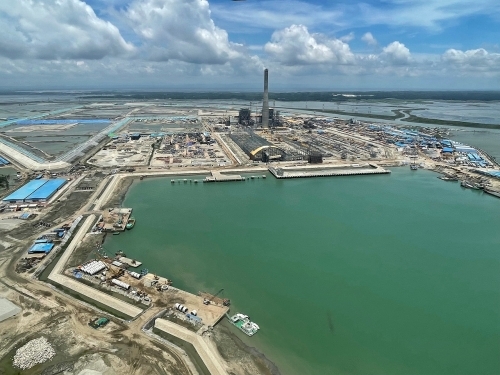 বড় জাহাজ মেরামতে মাতারবাড়ীতে ১ বিলিয়ন ডলারের প্রকল্প
 মাতারবাড়ীতে প্রায় ১ বিলিয়ন মার্কিন ডলার ব্যয়ে পরিবেশবান্ধব ডকইয়ার্ড ও জাহাজ নির্মাণ কেন্দ্র স্থাপনের উদ্যোগে নীতিগত অনুমোদন দিয়েছে নৌপরিবহন মন্ত্রণালয়। এখন প্রকল্পটির কারিগরি ও আর্থিক মূল্যায়নের জন্য প্রস্তাবটি সরকারি-বেসরকারি অংশীদারত্ব (পিপিপি) কর্তৃপক্ষের কাছে পাঠানো হয়েছে। সম্পূর্ণ বেসরকারি অর্থায়নে সরকারি জমির মালিকানা অক্ষুণ্ন রেখে প্রকল্পটি বাস্তবায়নের পরিকল্পনা রয়েছে। বন্দর কর্তৃপক্ষ জানায়, […]
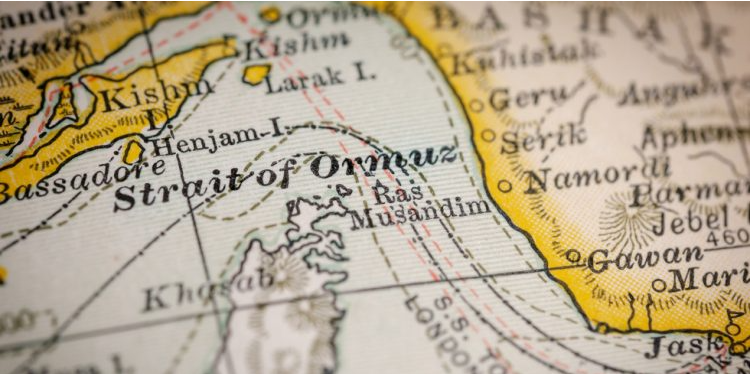 Industry on alert over scam messages offering ships “safe passage” on Hormuz
 Credit: Shutterstock Fraudulent messages offering safe passage through the Strait of Hormuz in exchange for cryptocurrency have been circulated to shipping companies with vessels stranded west of the waterway, according to MARISKS. In an alert issued on 20 April, MARISKS cautioned that unknown actors posing as Iranian authorities had contacted […]



JOB SITES
CONTENTS
LINKS
Happy New Year

Découvrez les avantages de MadCasino
Dans le monde des casinos en ligne, MadCasino se distingue par ses offres attrayantes et ses services de qualité. Que vous soyez un joueur débutant ou un parieur aguerri, vous trouverez ici une variété de jeux qui sauront satisfaire toutes vos envies. Les machines à sous, les jeux de table et les options de paris en direct sont tous disponibles pour vous offrir une expérience de jeu inégalée. De plus, le casino propose régulièrement des bonus qui permettent d'augmenter vos chances de gagner, vous offrant ainsi une excellente opportunité de maximiser vos gains.
En matière de sécurité, MadCasino est un nom de confiance. Il est entièrement licencié et régulé, ce qui garantit un environnement de jeu sûr et équitable. Les joueurs peuvent se concentrer sur leur expérience de jeu sans se soucier des problèmes de sécurité. Les transactions financières sont également sécurisées grâce à des technologies de pointe.
Les jeux proposés par MadCasino sont issus des développeurs les plus réputés de l'industrie, vous assurant des graphismes époustouflants et des mécaniques de jeu innovantes. Les joueurs peuvent également profiter d'une expérience de jeu en direct qui simule l'atmosphère d'un casino terrestre, tout en restant dans le confort de leur maison.
Enfin, la plateforme de MadCasino est optimisée pour les appareils mobiles, permettant aux joueurs de parier à tout moment et de n'importe où. Que vous soyez sur votre smartphone ou votre tablette, l'accès à vos jeux préférés n'a jamais été aussi simple. Ne manquez pas l'opportunité de découvrir ce casino exceptionnel.
Les offres de Cresus Casino
Cresus Casino est un autre acteur majeur dans le domaine des jeux en ligne, offrant des promotions généreuses et une vaste sélection de jeux. Les joueurs peuvent profiter d'une expérience de jeu enrichissante grâce aux nombreux bonus disponibles, qui sont conçus pour attirer tant les nouveaux utilisateurs que les joueurs réguliers. Ces avantages permettent non seulement de prolonger votre temps de jeu, mais aussi d'augmenter vos chances de gains conséquents.
Le casino se distingue également par sa ludothèque impressionnante, comprenant une sélection variée de machines à sous, de jeux de table et de jeux en direct. Les clients peuvent choisir parmi des titres populaires et appréciés, ainsi que des nouveautés qui enrichissent constamment l'offre. L'interface utilisateur est conviviale, rendant la navigation sur la plateforme fluide et agréable.
En termes de sécurité, Cresus Casino assure à ses joueurs un environnement de jeu fiable. La plateforme utilise des protocoles de sécurité avancés pour protéger les données personnelles et financières des utilisateurs. Cela permet aux joueurs de se sentir en sécurité tout en jouant à leurs jeux préférés.
Avec un service client réactif et professionnel, Cresus Casino s'assure que toutes vos questions et préoccupations sont traitées rapidement. Que ce soit pour des questions concernant les bonus, les retraits ou les jeux, vous bénéficierez d'une assistance rapide et efficace.
Explorez Nine Casino et ses avantages
Dans l'univers des casinos en ligne, Nine Casino a su se faire une place de choix grâce à son approche innovante et à ses nombreux avantages pour les joueurs. Les utilisateurs peuvent s'attendre à une expérience de jeu enrichissante, avec des bonus attractifs qui sont régulièrement mis à jour. Ces offres sont une excellente façon de découvrir de nouveaux jeux tout en maximisant votre potentiel de gain.
La plateforme de Nine Casino est riche en options de jeux, allant des machines à sous aux jeux de table, en passant par le live casino. Chaque jeu est conçu pour offrir une expérience immersive grâce à des graphismes de haute qualité et des fonctionnalités innovantes. Les parieurs peuvent profiter de sessions de jeu captivantes, comme s'ils étaient dans un véritable casino.
La sécurité est une priorité pour Nine Casino, qui utilise des technologies de cryptage avancées pour protéger les informations de ses joueurs. Cela garantit un environnement de jeu sûr et fiable, permettant aux utilisateurs de se concentrer sur ce qu'ils aiment le plus : jouer.
Enfin, le service clientèle fourni par Nine Casino est exceptionnel, avec des agents disponibles pour répondre à toutes vos questions et résoudre vos problèmes. Vous pourrez ainsi jouer en toute tranquillité, sachant que votre satisfaction est au cœur de leurs préoccupations.
Profitez de l'expérience Lucky31
Lucky31 est un casino en ligne qui se distingue par son approche orientée vers le joueur, offrant une multitude d'options de jeux et des bonus généreux. Que vous soyez amateur de machines à sous ou passionné de jeux de table, vous trouverez une large sélection pour satisfaire toutes vos envies de jeu. Les promotions fréquentes permettent aux joueurs de prolonger leur expérience tout en augmentant leurs chances de gains.
La convivialité de la plateforme de Lucky31 est l'un de ses plus grands atouts. Les joueurs peuvent naviguer facilement entre les différents jeux, et l'interface est conçue pour être intuitive, quel que soit le niveau d'expérience de l'utilisateur. De plus, le casino est entièrement optimisé pour les appareils mobiles, ce qui permet de parier où que vous soyez.
En matière de sécurité, Lucky31 prend les préoccupations des joueurs très au sérieux. Le casino est agréé et régulé, garantissant un environnement de jeu équitable et sécurisé. Les joueurs peuvent ainsi se concentrer sur leur expérience de jeu sans se soucier des risques liés à la sécurité.
Pour ceux qui recherchent un support client efficace, Lucky31 offre un service réactif et professionnel. Que ce soit pour des questions sur les bonus, les jeux ou les paiements, vous aurez accès à une assistance de qualité, vous garantissant une expérience de jeu fluide et agréable.